South African News
South Africa’s pork sector stays resilient despite disease and economic pressures
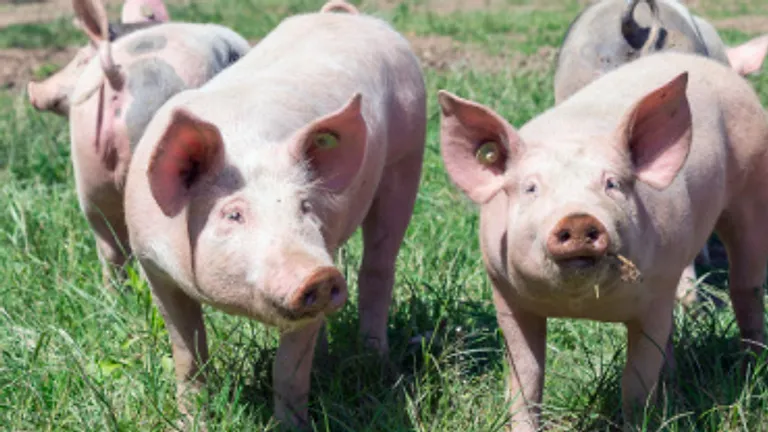
South Africa’s pork industry remains resilient despite ongoing foot-and-mouth disease (FMD) outbreaks and economic challenges. Industry leaders say stronger coordination, targeted vaccination efforts, and closer collaboration between producers and organisations have significantly improved the sector’s response since late 2025. Despite operating in a high-risk environment, the industry has recorded 14% value growth and remains one of the world’s most efficient pork producers. New technology, including the Pork 360 traceability app, is helping strengthen quality assurance and consumer confidence. The sector’s immediate focus is on protecting jobs, maintaining food security, and improving efficiency to support long-term growth and sustainability.
Read full story: Food For Mzansi
Date Published: April 23, 2026
African grapevine gene-editing breakthrough boosts disease and drought resilience
Researchers from Stellenbosch University and the Agricultural Research Council have achieved a major scientific first in Africa by successfully gene-editing grapevines, marking the continent’s first precise DNA modification of a woody crop plant. Using CRISPR technology, the team switched off a gene linked to disease vulnerability, making the vines more resistant to downy mildew while also improving their response to water shortages. The breakthrough offers promising potential for developing grape varieties that can better withstand both disease and drought, a crucial step as climate change intensifies environmental pressures. The research could significantly strengthen sustainable viticulture and crop resilience across Africa.
Read full story: Food For Mzansi
Date Published: April 23, 2026
African News
FAO strengthens compost training to improve local fertiliser access in East Africa
The Food and Agriculture Organization of the United Nations (FAO), working with Facilitators for Change, has launched a regional compost training programme for farmers and agricultural experts from Ethiopia and Rwanda to improve access to affordable, locally produced fertiliser. Held in March 2026, the initiative combined classroom learning with practical field sessions, equipping participants with skills to produce nutrient-rich compost from household and farm waste. Designed as a training-of-trainers programme, it aims to spread knowledge through local communities. The project supports more resilient farming systems by improving soil fertility, reducing reliance on chemical fertilisers, lowering pest risks, and strengthening climate resilience across Eastern Africa.
Read full story: Farmer’s Review Africa
Date Published: April 24, 2026
Global News
China tightens pesticide controls to strengthen export compliance
China is stepping up efforts to improve pesticide practices as growers work to meet the strict residue standards required by key export markets, particularly the European Union. Industry leaders say increased on-site support, stronger field record-keeping, and better farmer guidance are helping reduce unnecessary pesticide use while improving traceability and product quality. National data shows pesticide use in crop farming has declined for eight consecutive years through 2024, reflecting growing awareness of food safety and environmental protection. These measures are helping farmers secure more stable incomes, reduce environmental impact, and improve access to international markets by lowering the risk of customs clearance issues.
Read full story: Fruitnet
Date Published: April 24, 2026
Indonesia’s rice reserves hit record 5 million tonnes amid strong food security
Indonesia’s government rice reserves have reached a historic high of just over 5 million tonnes, marking the largest stockpile ever recorded in the country’s history. Managed by the state logistics agency Bulog, the reserve is expected to support both national food security and public assistance programmes. Officials say the quality of the stored rice remains strong, with no signs of pest damage even in stocks held for up to a year. Rising domestic production, up more than 13% year on year, has strengthened supply and reduced reliance on imports. The surplus is also creating opportunities for exports and humanitarian food aid.
Read full story: Jakarta Globe
Date Published: April 24, 2026
Malaysian durian season begins early as limited supply reaches markets
Malaysia’s durian season has started earlier than usual following prolonged heat and dry weather earlier this year, with initial supplies now reaching markets in both Malaysia and Singapore. Early-season varieties include D604, Lipan and Musang King, with sellers noting that the dry conditions have produced fruit with a richer flavour and creamier texture. However, supply remains limited at this stage, particularly in Singapore, where only selected retailers currently have stock. More varieties, including Red Prawn and Hor Lor, are expected within the next few weeks, with full seasonal volumes forecast to arrive by early May as the harvest gathers pace.
Read full story: Fresh Plaza
Date Published: April 23, 2026
India’s silk industry gains fresh momentum through science and innovation
India’s silk industry is undergoing a significant revival as science, biotechnology and automation reshape traditional sericulture. Former scientist Dr Jolapuram Umamaheswari is among a new generation of producers applying technical expertise to improve yields, disease control and quality on silk farms. Across the sector, sensors, AI-driven disease detection and genome editing are helping create stronger silkworm varieties and more efficient production systems. While concerns remain over the number of farmers entering the industry, improved rearing techniques are increasing cocoon output. As the world’s second-largest silk producer, India is using innovation to strengthen sustainability, productivity and long-term growth across the sector.
Read full story: BBC News
Date Published: April 24, 2026