
.png)
.png)

24 July '26 - Today in Farming
24 Jul 2026
South African News
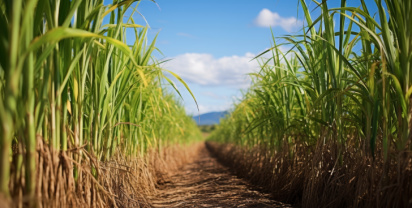
Sugar Industry Faces Labour Crisis as Foreign Cane Cutters Flee Violence
South Africa’s sugar industry is facing growing pressure after anti-foreigner protests in KwaZulu-Natal and Mpumalanga drove many foreign sugarcane cutters to leave, creating an estimated 30% labour shortage. With most sugarcane still harvested by hand, growers warn that delays in cutting mature crops are reducing cane quality, lowering incomes and preventing mills from operating at full capacity. While some industry representatives say disruptions are localised, others have suggested introducing a seasonal worker visa system similar to the United States’ H-2A programme. They also called for stronger collaboration between government departments, better enforcement of labour laws and greater investment in rural skills development.
Read full story: African Farming
Date Published: July 23, 2026
Most South African Land Reform Projects Have Failed, Says Farming Leader
Around 90% of South Africa’s land reform projects have failed as sustainable commercial businesses, according to Theo de Jager, executive director of the Southern African Agri Initiative (SAAI). Speaking at the Expropriation Conference in June 2026, he argued that politicians often overlook the difference between land and a functioning farm, which requires infrastructure, capital, sound business management and access to commercial markets. De Jager said most beneficiaries have farming skills but struggle to operate profitably, causing many farms to revert to subsistence production. He warned that this weakens rural economies by reducing jobs, exports and foreign currency earnings generated by commercial agriculture.
Read full story: Newsday
Date Published: July 22, 2026
African News
Kenyan Government Reaffirms Support for Tea Farmers
Kenya’s Prime Cabinet Secretary Musalia Mudavadi has urged tea farmers to remain committed to production while the government works to address challenges facing the sector, including high taxes, poor infrastructure, fluctuating global prices, pests and diseases. Speaking during a visit to Mudete Tea Factory in Western Kenya, he said policy issues could be resolved through the appropriate government channels and encouraged farmers not to abandon tea cultivation. Mudavadi highlighted the factory’s role in supporting around 12,000 farmers across Vihiga and Kakamega counties, saying it has boosted incomes, created jobs and strengthened the region’s economy since opening in 1997.
Read full story: The Star (Kenya)
Date Published: July 22, 2026
Global News
Mexico Reopens Market to US Pork After Pseudorabies Restrictions Lifted
Mexico has lifted all restrictions on imports of US pork variety meats after the United States regained its pseudorabies-free status following an isolated outbreak on an Iowa pig farm. The disease, traced to infected feral swine in Texas, was quickly contained through herd depopulation and extensive testing, with no wider spread detected. Although pseudorabies poses no food safety risk to humans, the outbreak led several countries to suspend imports, costing the US pork industry an estimated $6–7 million per week. Chile, Colombia and South Korea have also removed restrictions, while China continues to require testing of every offal shipment.
Read full story: Farm Progress
Date Published: July 22, 2026
Canadian Farmers Adapt To Climate Extremes Amid Research Funding Cuts
Canadian farmers are increasingly adopting new practices to cope with more frequent droughts and heatwaves, including improving soil health, planting drought-tolerant crops, increasing shade for livestock and restoring wetlands to improve resilience. Farm organisations are also providing updated guidance on adapting to changing weather patterns and protecting infrastructure. However, industry representatives warn that farmers’ ability to respond is being undermined by cuts to federal funding for agricultural research facilities and the long-term decline of public extension services. They argue that greater investment in research, crop breeding and independent agronomic support is essential to help farmers adapt to increasingly unpredictable climate conditions.
Read full story: The Energy Mix
Date Published: July 23, 2026
Confidence Returns to Australia’s Sheep Industry as Producers Rebuild Flocks
Confidence among Australian sheep producers has strengthened significantly, driven by improved sheep meat and wool prices despite ongoing seasonal challenges. A survey of more than 1,500 producers found that many are shifting from reducing flock numbers to rebuilding breeding ewe populations, with 86% expressing a positive outlook for the sheep meat sector. Sentiment towards the wool industry has also improved sharply following stronger prices and better seasonal conditions in many regions. However, farmers remain concerned about weather, feed availability, input costs and labour shortages, while government policy and global economic uncertainty continue to influence business decisions.
Read full story: Agriland
Date Published: July 22, 2026
Indonesia Claims Self-Sufficiency In Eight Key Food Commodities
Indonesia has achieved self-sufficiency in eight strategic food commodities, including rice, maize, sugar, chillies, shallots, chicken and eggs, according to Agriculture Minister Andi Amran Sulaiman. He said the milestone has reduced the country’s reliance on imports, with some commodities now being exported. The government also reported record rice reserves of more than five million tonnes, a Farmer Exchange Rate of 127.73 in May 2026 and agricultural GDP growth of 5.74%. President Prabowo Subianto credited pro-farmer policies, improved fertiliser access and expanded agricultural development, describing food security as the foundation of national resilience amid global conflict and climate change.
Read full story: ANTARA News
Date Published: July 23, 2026
Share this article 

More News
South African News Agricultural Science Key to South Africa’s Food Security and GrowthSouth…
South African News Sugar Industry Faces Labour Crisis as Foreign Cane Cutters Flee Violence…
South African News Free State FMD Outbreak Grows as Vaccine Shortages Hamper Control…
South African News South African Agriculture Better Prepared as El Niño Threat LoomsSouth…
South African NewsRooibos seeds to travel to the International Space Station for pioneering South…
South African NewsSouth Africa Warned of Wheat Supply Crisis Amid Import Dependence South…