

South African News
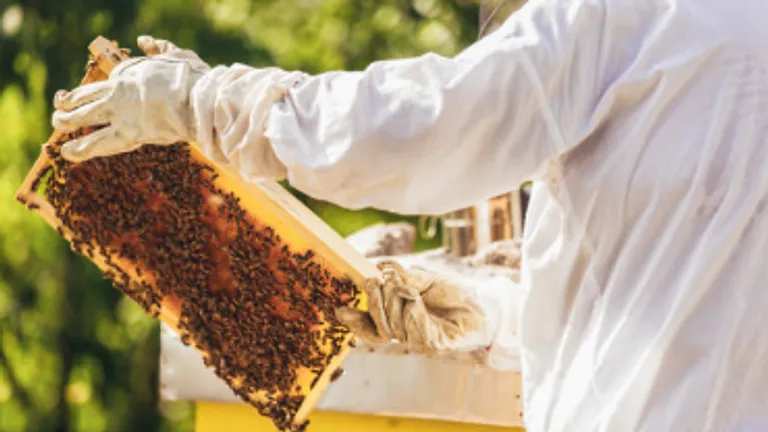
Government Cracks Down on Illegal Honey and Liquor
The South African Department of Agriculture's Directorate of Inspection Services, with police support, has launched a campaign to combat fake honey and illegal alcohol. Starting in Gauteng, inspections revealed widespread non-compliance with labelling standards for honey products, leading to fines for wholesalers. Adulterated honey, often containing no real honey, poses health risks and damages the industry. The campaign will expand nationwide and include illegal wine. Industry figures welcomed the move, highlighting the health risks and economic harm caused by counterfeit goods. Consumers are advised to buy honey from trusted sources and check labels for authenticity.
Read more / source: Farmers Weekly
Date Published: December 11, 2024
FarmRanger App Wins Top Agricultural Award for Livestock Theft Solution
FarmRanger, a South African agritech company, has received the FNB prize for Best Agricultural Application of the Year for its innovative livestock security app. The application, which works in conjunction with GPS-enabled collars, helps farmers protect their animals from theft and predator attacks. Developed over 25 years, FarmRanger now safeguards over 3 million animals across the country. The app provides real-time alerts and precise tracking, allowing for quick responses to potential threats. With livestock theft costing South Africa R3 billion annually, FarmRanger's solution addresses a critical issue in the agricultural sector, empowering farmers with user-friendly, reliable technology to combat this persistent problem.
Read more / source: African Farming
Date Published: December 12, 2024
African News
Lacewing Larvae: A Natural Solution Clearing 98% of Aphids Without Pesticides
Lacewing larvae, also known as "aphid lions," are proving to be a highly effective natural alternative to pesticides, eliminating up to 98% of aphids in crops like potatoes, tomatoes, and eggplants. Each larva consumes between 100 and 600 aphids during its life cycle and also preys on other pests such as mealybugs and spider mites. Farmers can apply lacewing eggs to infested areas, with the larvae providing targeted pest control. This eco-friendly method is particularly beneficial in greenhouses and supports organic farming practices. Lacewings thrive at temperatures between 20-28°C and require nectar-rich flowers to sustain adult populations.
Read more / source: FarmBiz Africa
Date Published: December 12, 2024
Global News
Global Demand for Potash Highlights Canada's Crucial Role in Food Security
Nutrien, Canada's largest potash producer, is meeting global demand for this essential fertiliser through its extensive mining operations. The Allan mine in Saskatchewan exemplifies the company's commitment to sustainable and efficient potash extraction, employing advanced technologies like tele-remote mining. With reserves expected to last over a century, Canada supplies 85% of US potash needs and exports to over 40 countries. The article highlights the importance of potash in agriculture, its geological origins, and the intricate process of mining and refining. As geopolitical tensions disrupt global supply chains, Canada's role in ensuring food security through potash production becomes increasingly significant.
Read more / source: AgWeb
Date Published: December 11, 2024
U.S. Agriculture Could Become Greenhouse Gas Negative with Conservation Practices
A study co-authored by Kansas State University professor Chuck Rice reveals that U.S. agriculture could potentially become greenhouse gas negative. By adopting current conservation practices and emerging technologies, farmers and ranchers could significantly reduce their carbon footprint. The research shows that if 75% of farmers implement these practices, agriculture could cut its emissions to minus 6% of total U.S. emissions. The study focuses on five key areas: soil carbon management, nitrogen fertilizer management, animal production, crop production, and efficient energy use. This multi-faceted approach could not only bring environmental benefits but also economic stability to farms.
Read more / source: Farm Progress
Date Published: December 12, 2024
Brazilian Farmers' Lobby Seeks to End Amazon Soybean Deforestation Ban
Aprosoja-MT, a farmers' lobby in Brazil's Mato Grosso state, has formally requested the country's antitrust watchdog CADE to terminate the "Amazon soy moratorium". This two-decade-old voluntary agreement prohibits major grain traders from purchasing soybeans grown on deforested Amazon land. The lobby argues that the moratorium creates an unfair market and has caused significant financial losses. However, environmental groups praise the agreement for its role in slowing Amazon deforestation. The move comes amidst growing tensions between agricultural interests and environmental concerns in Brazil, the world's largest soybean producer and exporter.
Read more / source: Canadian Cattlemen
Date Published: December 11, 2024
IRRI and Thailand Forge Stronger Partnership for Sustainable Rice Production and Climate Action
The International Rice Research Institute (IRRI) and Thailand's Ministry of Agriculture and Cooperatives have discussed enhancing their collaboration in rice research and development. The partnership aims to improve human resource development, knowledge transfer to farmers, and establish a Host Country Agreement. Key focus areas include providing farmers with better access to high-quality seeds, attracting younger generations to agriculture, and offering comprehensive training. The collaboration also seeks to address climate change by supporting Thailand's greenhouse gas reduction goals. Both parties recognise the potential for Thailand to become a regional training hub for rice research and production.
Read more / source: IRRI News
Date Published: December 12, 2024










