South African News
Local AI Models Could Improve Heat Resilience in African Livestock
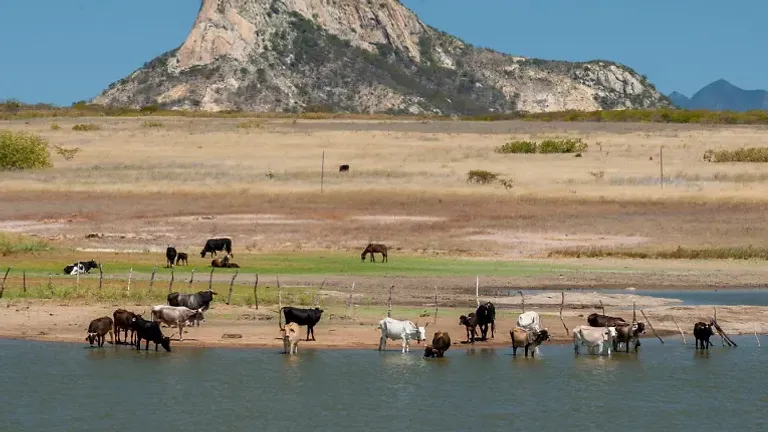
Researchers at the University of Johannesburg are proposing locally developed AI models to improve livestock productivity and heat resilience under increasingly challenging climatic conditions. Indigenous African breeds, such as Nguni cattle, are naturally more tolerant of heat and drought but generally grow more slowly than specialised breeds. By analysing livestock genetics, gut microbes, metabolites and environmental conditions, AI models could identify early signs of stress and guide targeted nutritional and management interventions. The approach could benefit both commercial and smallholder farmers, with practical measures such as adjusting grazing times to avoid peak temperatures. Researchers emphasise the need for extensive data collection from African farming systems to develop accurate, locally relevant models.
Read full story: University of Johannesburg
Date published: November 10, 2026
AGOA Termination Threatens Premium Prices for South African Sugar Exports
The planned termination of South Africa’s benefits under the African Growth and Opportunity Act (AGOA) from January 2027 could reduce the profitability of sugar exports to the United States. Although the US accounts for only around 5% of South Africa’s sugar exports, it is a valuable premium market, offering better returns than many other international destinations. Without AGOA, exports will remain possible under World Trade Organization tariff-rate quotas but will face an additional duty of approximately R240 per tonne. Industry representatives warn that losing preferential access could further pressure an already struggling sugarcane value chain.
Read full story: African Farming
Date published: November 11, 2026
African News
Rising Animal Feed Demand Creates Business Opportunities in Botswana
Botswana’s animal feed demand is projected to increase from 6.9 million tonnes in 2026 to 11.9 million tonnes by 2035, creating opportunities for small, micro and medium enterprises (SMMEs). The Local Enterprise Authority (LEA) is encouraging investment across the fodder value chain, including seed supply, lucerne and lablab production, processing, storage and distribution. However, drought, water scarcity, limited access to quality seed and technical capacity remain key challenges. The government is promoting climate-smart production, drought-tolerant crops and water-efficient irrigation, while LEA will provide training, business development and advisory support to aspiring entrepreneurs.
Read full story: All Africa
Date published: November 11, 2026
Global News
Training and Better Feed Management Boost Smallholder Dairy Productivity in the Philippines
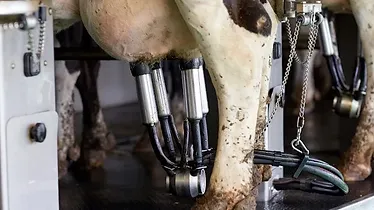
Training in animal nutrition, feed management and farm business skills is helping smallholder dairy farmers in the Philippines improve milk production and profitability. A six-month research initiative led by Australian and Philippine organisations introduced farmers to ration formulation, homegrown forage, silage production and financial record-keeping. It also provided access to a Productivity and Profitability Calculator to support feeding decisions. Initial results from two dairy cooperatives showed a 63.89% increase in lactating cows, 41.19% growth in income and a 224.03% improvement in profitability among farmers adopting three recommended management practices.
Read full story: The Mirage
Date published: November 12, 2026
Australian Farmers Welcome Government Assurance on Methane Pledge Commitments
Australian farmers have welcomed confirmation that the Federal Government will not endorse the 2026 Global Methane Pledge Ministerial Declaration and has no plans to do so. The Government has also reiterated that Australia's participation in the broader Global Methane Pledge is voluntary and non-binding, with no domestic methane targets or additional obligations for farmers. The National Farmers' Federation (NFF) said the clarification provides welcome certainty, emphasising that producers are already investing in practical emissions-reduction measures, including improved genetics, low-methane pastures, feed additives and new technologies, while maintaining agricultural productivity.
Read full story: Beef Central
Date published: November 12, 2026
Pakistan and Uzbekistan Explore Joint Research into Climate-Resilient Seeds
Pakistan and Uzbekistan are exploring closer cooperation in agricultural research, seed development, horticulture and livestock, with a focus on climate resilience and modern farming technologies. Discussions included joint research into hybrid and genetically modified (GM) seeds, particularly for cotton and horticultural crops, alongside technical collaboration in livestock development. Pakistan welcomed Uzbekistan’s proposal to send a technical delegation to strengthen links between researchers and agricultural institutions. The partnership aims to encourage knowledge-sharing, technology transfer and sustainable farming practices to improve productivity, address climate-related challenges and strengthen food security in both countries.
Read full story: Mettis Link News
Date published: November 12, 2026
Heavy Rainfall Delays Harvest and Damages Farms in Arizona and New Mexico
Heavy rainfall and flooding across Arizona and New Mexico have disrupted harvesting and damaged agricultural land, grazing areas and rural infrastructure. In Arizona’s Safford Valley, the Gila River rose more than 2 feet above major flood stage, with fast-moving water damaging mature cotton crops and causing rot, fibre discolouration and yield losses. Roads and bridges were also washed away, disrupting transport. However, dams and flood-control reservoirs along the Salt and Gila rivers successfully contained much of the floodwater, protecting major agricultural areas downstream, although communities at higher elevations suffered significant damage.
Read full story: Farm Progress
Date published: November 12, 2026