

South African News
South African industry bodies move to halt sales of ethylene-ripened immature mangoes
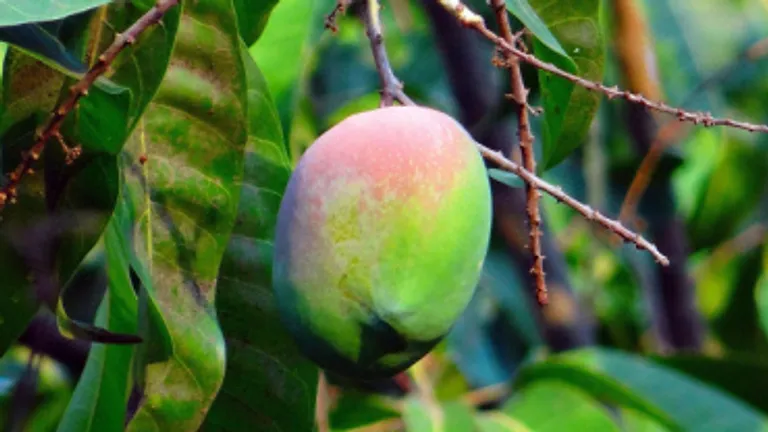
South Africa’s Mango Growers’ Association and the Agricultural Produce Agents Council have signed a three-year agreement to stop immature ‘achar’ mangoes, artificially ripened with ethylene, from being sold on fresh produce markets as ripe fruit. The tactic, seen mainly early in the season when prices are high, brightens peel colour but leaves the fruit sour and bitter, eroding consumer trust and depressing demand for weeks thereafter. The MoU provides for joint monitoring, alerts to inspectors, tracking of blocked consignments, sanctions on agents, annual guidance to markets and a training webinar on ripening and maturity.
Read full story: Farmer’s Weekly
Date published: October 27, 2025
Woolworths channels R857 million in surplus food and support towards a hunger-free South Africa
Woolworths’ latest Good Business Journey report shows the retailer donated surplus food worth R857 million to FoodForward SA over the past year - R41 million more than the previous year - equating to 52.2 million meals delivered via 2 500 vetted organisations. The contribution accounted for 63% of FFSA’s national distribution, feeding almost a million South Africans daily and creating youth jobs in the logistics chain. Beyond relief, Woolworths has invested over R40 million in long-term food security through farmer development, community gardens and training initiatives such as the Living Soils Community Learning Farm, with plans to expand the model to Gauteng.
Read full story: Bizcommunity
Date published: October 28, 2025
African News
Zanzibar’s seaweed boom lifts investment — but will the women doing the work see the gains?
A surge in global demand for seaweed - used in food, cosmetics and pharmaceuticals - has triggered a new investment wave in Zanzibar’s long-running seaweed industry, now the archipelago’s third-biggest export earner after tourism and spices. Most of the 25,000 farmers are women working in harsh, poorly regulated conditions for low pay, exposed to sun, stings, strong surf and rising climate risks as warming seas push them into deeper water. Government, NGOs and firms like Cargill are backing the “blue economy”, with some projects training women to move into higher-value processing, yet many fear upstream profits will bypass frontline collectors.
Read full story: News Times
Date published: October 28, 2025
Global News
Record US beef prices collide with rancher backlash as Trump backs Argentine imports
US beef prices reached a record $6.63 per pound in August, even as cattle ranchers accuse President Donald Trump of betraying them by proposing to massively expand Argentine beef imports. Producers say the plan will not cut retail prices but will depress returns at a time of tight domestic supply and high feed costs, while re-introducing foot-and-mouth risk. The row follows farmer fury over US support for Argentina’s soy sector, which then undercut US exports to China. Ranchers want mandatory origin labelling, regional plants and herd restocking support - not Argentina-first bailouts and dismissive posts from Trump.
Read full story: Usa Today
Date published: October 28, 2025
Peru moves to open 16 new markets to lift farm exports and smallholder incomes
Peru’s government is driving a trade-opening push that could secure access for Peruvian produce to 16 new markets between October 2025 and June 2026, underpinning growth in a sector that sold more than US$12 billion abroad last year. Phytosanitary deals in train include pomegranates and bananas to China, avocados to the Philippines, blueberries to the Dominican Republic, bananas to Argentina, onions to Ecuador, poultry to China and pork to Indonesia. Officials say the agenda will create jobs, raise rural incomes and deepen Peru’s role as a top-ten global food supplier, while energising family farmers into higher-value export chains.
Read full story: Andina
Date published: October 27, 2025
South Australia’s potato crisis bites as extreme weather slashes supply and drives up prices
Potato shelves across South Australia have been left sparse and prices have surged by 50% to 200% after drought and volatile weather cut yields in the state, which supplies 80% of Australia’s fresh potatoes. Growers including Mitolo Family Farms and Pye Group reported harvests down by up to 30%, with heat, cold snaps and wind damaging crops and leaving some unsellable. Farmers warn shortages could persist for weeks, further straining household food budgets and illustrating how climate extremes are destabilising food supply. Supermarkets expect improvement as the spring harvest ramps up; growers urge shoppers to buy “imperfect” potatoes.
Read full story: The Cool Down
Date published: October 28, 2025
Untimely monsoon deluge wrecks India’s summer crops, deepening farm debt and choking rural demand
Heavy downpours just before harvest have destroyed large areas of summer-sown crops in India, shattering farmers’ hopes after an otherwise generous monsoon. Soybean and cotton fields in Maharashtra and beyond were submerged, slashing yields from 10–12 quintals per acre to as little as 2–3, farmers said, with damaged grain selling well below the state support price. Economists expect the shock to halve agricultural growth to around 3–3.5% in the December quarter, weakening a rebound in rural consumption. Losses will lift farm debt, delay winter planting and force distress sales or mortgaging of jewellery, while boosting India’s vegetable oil imports.
Read full story: The Economic Times
Date published: October 28, 2025










