The 2026/27 summer could bring exceptionally hot and dry conditions to parts of South Africa as a very strong El Niño intensifies. While the extent of its effects will vary, current forecasts indicate an increased likelihood of above-normal temperatures and below-normal rainfall across parts of the country. [12]
This makes effective management of livestock and crops particularly important. Livestock production and performance can be reduced by heat stress, affecting feed intake, milk yields, growth rates and reproductive performance. On arable farms, prolonged heat and dry conditions can affect germination, growth, yield and crop quality.
Here are some practical measures farmers can take to reduce the effects of heat stress.
Livestock Farms
How Heat Stress Affects Cattle
Cattle have a comfort zone, or thermoneutral zone. This is the range of environmental temperatures in which behaviour and productivity are normal [1]. But as temperatures and relative humidity rise, the effects on animal welfare and performance intensify [2]. Dairy cattle are particularly susceptible due to the additional heat they produce during milk production. Milk yield can decline by as much as 7,5 kg/cow, calves may be born earlier and lighter [3], and normal reproductive cycles can also be disrupted [4].
1. Provide Shade
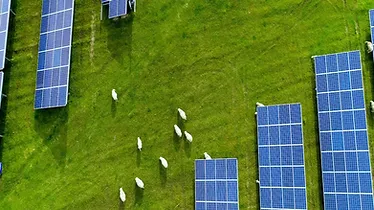
Simply providing shade in open pasture can reduce the effects of heat on animal performance and welfare. Shade can substantially reduce the heat load experienced by animals [5], which can have a significant effect on productivity. Trees, buildings and hedgerows provide some respite from intense sun, reducing respiration rates, panting scores, rectal temperatures and milk cortisol concentrations associated with heat stress [6]. If animals are housed indoors, further considerations are required (see below).
2. Keep Animals Hydrated
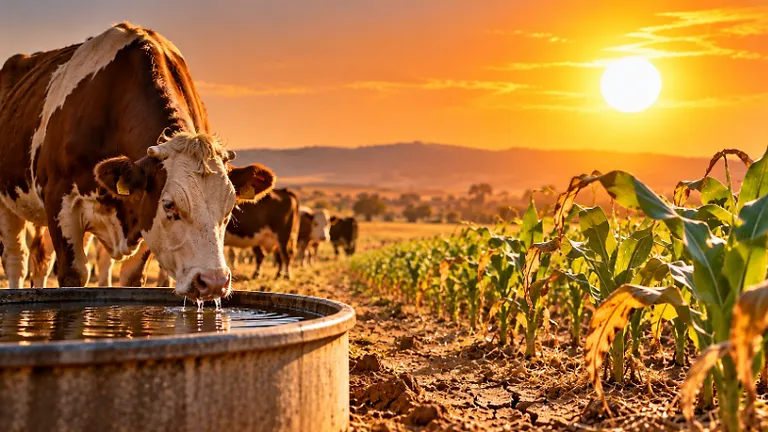
Water intake can increase by 10–20% in hot weather [7], so ensuring there is enough fresh, clean water to meet increased demand is essential. Animals should not have to compete for water at troughs, which should, where possible, be positioned to minimise exposure to direct sunlight.
3. Adjust Feeding, Grazing and Handling
Changing management strategies can improve welfare during periods of heat stress. Minimise the distance livestock need to move to reach feed and water. Move them during the cooler parts of the day and limit handling time, as this causes additional stress.
Feed intake can be reduced by as much as 10–30% under heat stress [1]; therefore, it is important that nutritional intake is optimised. Providing good-quality, highly digestible feed and offering it during cooler periods, including overnight, can help maintain nutritional intake [8].
4. Optimise Livestock Housing
Livestock housing should be well ventilated, with air movement around 1,5–2 m/s to provide a cooling effect [7]. Opening side sheets, reducing stocking density and installing fans can help limit the adverse effects of heat. Similarly, sprinklers can improve heat loss from livestock by as much as 1,7°C [1]. With electricity supplies potentially under strain during hot weather, ensure that a backup supply is available to keep ventilation running.
Arable Farms
1. Protect Crops
It isn’t just animals that are affected by heat extremes. Plants can suffer too, with severe losses in soil moisture exacerbating the problem.
Heat stress and intense sunlight can damage plant leaves, branches and stems, inhibit root and shoot growth, and reduce yields and quality. In high-value crops such as avocado, purpose-made canopies can be used to reduce exposure to intense heat and sunlight [9]. Shade from trees can reduce moisture loss from the soil and help reduce soil erosion when rain eventually comes.
2. Maintain Healthy Soils
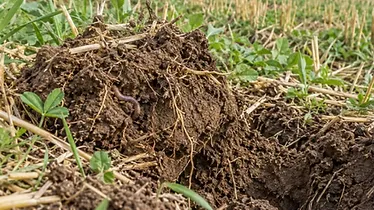
Healthy soils can be more resilient to heat and drought. Reducing compaction, limiting tillage and maintaining soil cover can improve soil structure, root development and water infiltration while helping soils retain moisture [10].
3. Use Water Efficiently
Planting drought-tolerant varieties can help reduce vulnerability to heat and water stress; however, a more immediate management strategy for irrigated crops is to use available water as efficiently as possible.
Optimising the timing and amount of irrigation can reduce water loss while improving crop productivity [11]. Prioritise crops during crucial growth phases and avoid irrigating during the hottest part of the day where possible to limit evaporation. Soil-moisture sensors allow more accurate assessment of water stress, helping farmers target irrigation when crops most need water [11].
Prepare for the Next Heatwave
Preparing for heat stress does not have to involve major changes to farm management. Simple measures such as providing adequate shade and water, adjusting feeding and handling times, improving ventilation, protecting soil moisture and using irrigation efficiently can help livestock and crops cope with extreme temperatures.
The most effective approach is to prepare before temperatures rise, ensuring water systems, housing, equipment and emergency supplies are ready. Farmers should also monitor weather forecasts and keep records of how their farm responds to heat events. By learning from each period of extreme heat, farmers can strengthen their resilience and reduce the impact of future hot, dry conditions.
Sources
1. NADIS (2016). Managing Heat Stress in Dairy Cows. Found at: NADIS – Managing Heat Stress in Dairy Cows Accessed on 22.09.2026.
2. AHDB (n.d.). Assessment of heat stress in dairy cows. Found at: AHDB – Assessment of heat stress in dairy cows Accessed on 22.09.2026.
3. Farm Advisory Service (2026). How to Minimise Heat Stress in the Dairy Herd. Found at: Farm Advisory Service – How to Minimise Heat Stress in the Dairy Herd Accessed on 22.09.2026.
4. Kim, W.S., Nejad, J.G., Park, K.K. and Lee, H.G., 2023. Heat stress effects on physiological and blood parameters, and behavior in early fattening stage of beef steers. Animals, 13(7), p.1130.
5. DairyNZ (2024). Trees on Farm. Found at: DairyNZ – Trees on Farm Accessed on 22.09.2026.
6. Veissier, I., Van Laer, E., Palme, R., Moons, C.P., Ampe, B., Sonck, B., Andanson, S. and Tuyttens, F.A., 2018. Heat stress in cows at pasture and benefit of shade in a temperate climate region. International Journal of Biometeorology, 62(4), pp.585–595.
7. AHDB (n.d.). Managing cattle and sheep in hot weather. Found at: AHDB – Managing cattle and sheep in hot weather Accessed on 22.09.2026.
8. Warrendale Wagyu (2026). Managing heat stress in cattle. Found at: Warrendale Wagyu – Managing heat stress in cattle Accessed on 22.09.2026.
9. Alon, E., Shapira, O., Azoulay-Shemer, T. and Rubinovich, L., 2022. Shading nets reduce canopy temperature and improve photosynthetic performance in ‘Pinkerton’ avocado trees during extreme heat events. Agronomy, 12(6), p.1360.
10. Regenerative Viticulture Foundation (2026). Adapting and Building Resilience to Extreme Heat. Found at: Regenerative Viticulture Foundation – Adapting and Building Resilience to Extreme Heat Accessed on 22.09.2026.
11. Parker, L.E., McElrone, A.J., Ostoja, S.M. and Forrestel, E.J., 2020. Extreme heat effects on perennial crops and strategies for sustaining future production. Plant Science, 295, p.110397.
12. International Research Institute for Climate and Society (IRI) (2026). September 2026 ENSO and seasonal climate forecasts. IRI – ENSO Forecast Accessed on 22.09.2026.