

South Africa News
South African Farmers Urged to Comply with Hazardous Substances Act
South African farmers are being encouraged to adhere to the Hazardous Substances Act of 1973, particularly when using Group 1 Category B pesticides. Experts from CropLife South Africa, Hiresh Ramanand and Quade Sing Jam, highlight essential regulations, such as identifying hazardous substances and ensuring secure storage. The transition to the globally harmonised system of classification and labelling of chemicals (GHS) has eliminated the previous colour band system, leading to some confusion. Farmers are advised to continue locking up pesticides that were previously marked with red labels. Compliance includes a "double-locking" requirement for storage to prevent unauthorised access.
Source: Food For Mzansi
Date Published: October 23, 2024
Macadamia Growers Advised to Diversify Beyond China
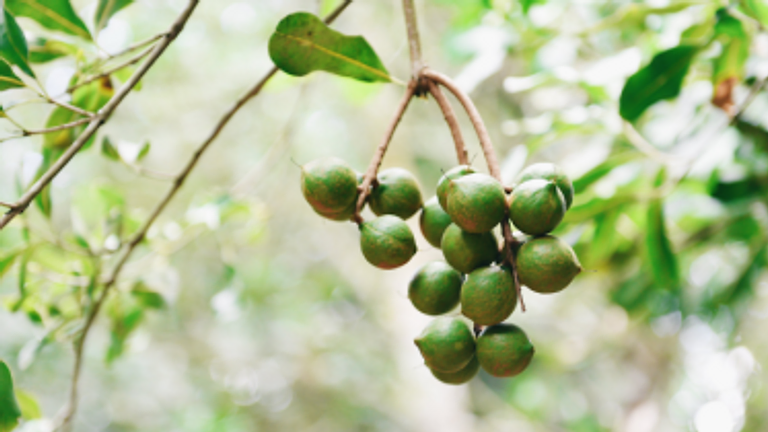
At the recent Macadamias South Africa (SAMAC) conference, experts urged South African macadamia growers to diversify their markets beyond China. Historical disruptions in the Chinese market have highlighted risks associated with over-reliance, as seen in 2015 when shipments were delayed and payments stalled. Prof Ferdi Meyer noted the uncertainty around China's macadamia production capacity, which could lead to self-sufficiency. Jillian Laing recommended limiting exports to China to 33% to avoid market volatility. The industry is encouraged to explore other markets, like the Middle East, which offers growth potential with favourable conditions.
Source: Farmers Weekly
Date Published: October 23, 2024
Africa News
Kenya's Mung Bean Legislation Debate Highlights Farmers' Vulnerability
Kenyan farmers are grappling with vulnerabilities highlighted by the ongoing debate over the Mung Bean Bill, which seeks to regulate the mung bean industry amid a scandal involving counterfeit fertilizers. While the bill aims to stabilize prices and standardize quality, farmers fear it may add bureaucratic challenges without addressing the core issue of fake fertilizers, which have severely impacted crop yields. The bill has moved to mediation after being rejected by the National Assembly. Experts stress the need for comprehensive solutions, including stricter enforcement against counterfeit products and improved farmer education.
Source: IPPMedia
Date Published: October 24, 2024
Global News
Challenges in Food Safety within the Meat Industry
The meat industry is increasingly focused on food safety, driven by consumer demand for safe, contaminant-free products. Fábio Franco from Adeste highlights three main challenges: ensuring food safety to maintain meat quality and reduce waste, addressing environmental impacts by minimizing waste, and navigating stringent regulatory environments. These challenges necessitate innovation and investment in health-focused solutions. The industry's survival hinges on reducing waste and maintaining product freshness, which are critical in a resource-limited world. Adeste is committed to ongoing research and process improvements to meet these evolving demands.
Source: Agrolink
Date Published: October 23, 2024
Carbon Robotics Secures $70 Million to Expand AI Farming Innovations
Carbon Robotics, a leader in AI-driven agricultural technology, has raised $70 million in a Series D funding round led by BOND, with participation from existing investors including NVentures and Anthos Capital. This brings the company's total funding to $157 million. The investment will support the expansion of Carbon Robotics' LaserWeeder™ business, the development of new software and hardware products, and the enhancement of manufacturing capabilities in Eastern Washington. Additionally, it will facilitate the company's geographic expansion into Eastern and Southern Europe and the Asia-Pacific region. The funding underscores Carbon Robotics' pivotal role in transforming agriculture with AI technologies.
Source: AgroSpectrum India
Date Published: October 24, 2024
Arable Farmers Sought for UK Gene Editing Project
A pioneering project in the UK is seeking arable farmers to participate in the first farmer-led trials of gene-edited crops in Europe. Led by the British On-Farm Innovation Network (BOFIN), the PROBITY project aims to test gene-edited wheat and barley varieties on commercial farms. The trials include three cereal varieties: a wheat with reduced asparagine levels to lower acrylamide formation, a wheat with larger grain size for increased productivity, and a barley with higher lipid content to reduce livestock methane emissions. Up to 25 farms in England will be involved, with the goal of assessing the crops' performance in various field conditions and their potential for sustainable farming.
Source: The Scottish Farmer
Date Published: October 23, 2024
Draft Dietary Guidelines 2025-2030 Spark Concerns for Meat Industry
The draft Dietary Guidelines for 2025-2030 have been met with alarm and disappointment from the meat industry. The guidelines, which are set to be finalized next year, recommend further reductions in red and processed meat consumption, citing health and environmental concerns. Critics argue that the recommendations are not based on the latest scientific evidence and could have significant economic impacts on the livestock sector. The guidelines also emphasize plant-based diets, which some see as overly restrictive and not reflective of balanced nutritional needs. The meat industry is urging for a more nuanced approach that considers the full spectrum of nutritional science.
Source: AgWeb
Date Published: October 23, 2024










