

South African News
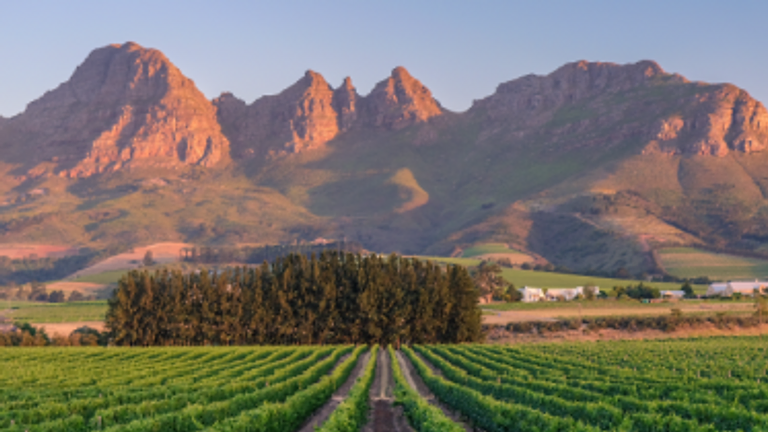
South African Wine Industry Embraces Sustainability to Meet Gen Z Demands
The South African wine industry is adapting to meet the sustainability demands of Generation Z consumers. Frans van Wyk of Agrifusion emphasises the importance of embracing environmental, social, and governance (ESG) principles to maintain market access. While some progressive wine businesses are developing net-zero strategies, smaller producers are struggling to keep up. Industry bodies are working to educate members, manage data, and facilitate reporting to markets. The article highlights the need for clear communication, shared information, and a focus on realistic, scientific, and economically viable sustainability goals to ensure the industry's future success.
Read more / Source: Farmers Weekly
Date Published: November 6, 2024
South African Agriculture Sector Faces Potential Emission Targets
The South African government is considering implementing sectoral emission targets for agriculture as part of its climate change mitigation efforts. This move comes in response to the country's commitment to reduce greenhouse gas emissions under the Paris Agreement. The Department of Forestry, Fisheries and the Environment (DFFE) is developing a Sectoral Emissions Targets (SETs) framework, which aims to allocate carbon budgets to different economic sectors. Agriculture, being a significant contributor to emissions, may face challenges in adapting to these new regulations. The article emphasises the need for the agricultural sector to engage proactively in discussions to ensure fair and achievable targets.
Read more / Source: Agri SA
Date Published: November 6, 2024
African News
Namibian Agriculture Minister Calls for Increased Investment in Sector
Calle Schlettwein, Namibia's Minister of Agriculture, Water and Land Reform, has emphasised the need for greater resources in the country's agricultural sector. Speaking at the Keetmanshoop Agricultural, Industrial and Tourism Expo, Schlettwein highlighted agriculture's potential for job creation, poverty reduction, and addressing income inequalities. He noted that current budgetary allocations fall short of recognising agriculture as a high national priority. Schlettwein called for a shift from rainfed to intensive agriculture to mitigate climate change risks. He stressed the importance of investing in water resources, infrastructure, and power provision to support the sector's growth and transition to climate-smart practices.
Read more / Source: Farmer's Weekly
Date Published: November 5, 2024
Global News
Bahia Leads Brazil's Passion Fruit Production, Chapada Diamantina Emerges as Key Region
Bahia has solidified its position as Brazil's leading passion fruit producer, with a total output of 253,900 tonnes in 2023, marking an 8.3% increase from the previous year. The Chapada Diamantina region has emerged as the state's primary production hub, with Livramento de Nossa Senhora being the country's top-producing municipality at 44,395 tonnes. Other notable producers in the region include Ituaçu and Barra da Estiva. Bahia's success in passion fruit cultivation is attributed to favourable climatic conditions, diverse soils, water availability for irrigation, and investments in agricultural technology and practices.
Read more / Source: Agrolink
Date Published: November 6, 2024
Soybean Futures Dip as Harvest Progresses and Export Concerns Linger
Soybean futures experienced a decline on Wednesday, 6 November 2024, as the U.S. harvest nears completion and export worries persist. The USDA's latest crop progress report showed 91% of soybeans harvested, slightly behind the five-year average. Despite a slight increase in export inspections, concerns about China's demand and competition from South American producers continue to weigh on the market. Analysts are closely watching weather patterns in Brazil and Argentina, which could impact global supply. The upcoming WASDE report is expected to provide further insights into the soybean market outlook, with potential adjustments to yield and production estimates.
Read more / Source Agriculture.com
Date Published: November 6, 2024
Trump Presidency Could Exacerbate Challenges for Canadian Agriculture, Experts Warn
The election of Donald Trump as U.S. President is expected to intensify pressures on the Canadian agriculture sector, according to experts. Key concerns include the potential renegotiation or withdrawal from the North American Free Trade Agreement (NAFTA), which could disrupt trade relationships and impact Canadian agricultural exports. Additionally, Trump's stance on trade protectionism and his criticism of current trade agreements may lead to increased tariffs and other trade barriers. This could particularly affect Canada's beef and dairy industries, which rely heavily on U.S. markets. Experts are advising Canadian farmers and policymakers to prepare for these potential changes and their economic implications.
Read more / Source: Canadian Cattlemen
Date Published: November 6, 2024
Report Highlights Differences in English and American Beef and Lamb Production Standards
A recent report has compared the production standards for beef and lamb in England with those in the United States. The study underscores significant differences in areas such as animal welfare, environmental impact, and food safety. English beef and lamb production is characterized by stricter regulations, including higher animal welfare standards and more stringent environmental protections. In contrast, American practices often prioritize efficiency and cost-effectiveness, leading to variations in antibiotic use, feed practices, and slaughter methods. The report aims to inform consumers and policymakers about these differences, highlighting the importance of transparent labeling and consumer choice.
Read more / Source: Farming UK
Date Published: November 6, 2024










