

South African News
Nestlé Pioneers Sustainable Dairy Farming Practices in South Africa
Nestlé South Africa is advancing sustainability in the dairy sector through innovative projects and partnerships. Their efforts focus on reducing the environmental footprint of dairy farming while supporting economic and social development. Initiatives include efficient water use, improved feed management, and reducing greenhouse gas emissions. Collaborating with local farmers, Nestlé integrates regenerative agricultural practices to promote soil health, biodiversity, and sustainable livelihoods. This aligns with global goals for more sustainable food systems and a commitment to environmental stewardship in South Africa's dairy industry.
Read more / source: Farmers Weekly
Date Published: November 19, 2024
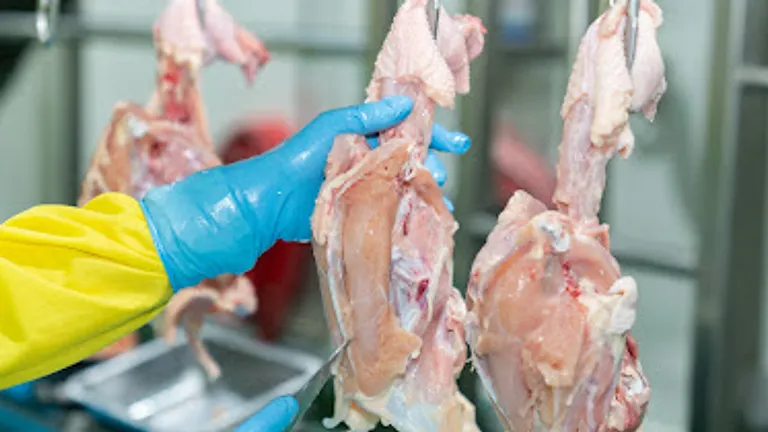
VAT-Free Chicken: Easing the Burden of Rising Food Costs in South Africa
In South Africa, a proposal to exempt chicken and other essentials from Value-Added Tax (VAT) is gaining momentum as a potential solution to soaring food prices. Advocates highlight that VAT-free chicken could provide crucial relief for low-income households, ensuring better access to affordable protein amidst rising unemployment and poverty. While the move could cost the state approximately R3 billion, supporters argue it would bring long-term benefits, including improved nutrition and learning outcomes. However, critics emphasise that structural reforms like job creation and infrastructure improvements are equally critical to addressing food insecurity sustainably.
Read more / source: Food for Mzansi
Date Published: November 19, 2024
African News
Rat-Stopping Hermetic Bags Revolutionise Grain Storage for Farmers
Hermetic bags are providing a breakthrough solution for grain storage in farming communities by effectively preventing post-harvest losses caused by pests like rats and insects. These three-layered bags create an airtight seal that deprives pests, mould, and aflatoxins of oxygen and moisture, ensuring stored grains like maize remain safe for over two years. Initially tested on maize, plans are underway to adapt the technology for other staple crops such as beans and peas. This innovation not only secures food supplies but also boosts farmers' incomes by reducing dependency on costly pest control measures.
Read more / source: Farmbiz Africa
Date Published: November 19, 2024
Global News
Brazil Advances Renewable Energy Focus with Ethanol and Biomass Innovations
Brazil is reinforcing its position as a global leader in renewable energy by expanding its ethanol and biomass production. Cane residues, such as bagasse and straw, are now being utilised for second-generation biofuels and biofertilisers, promoting energy circularity. Recent efforts also include diversifying ethanol sources to include maize, wheat, and even eucalyptus in less fertile areas, with new technologies enhancing yields. These advancements support Brazil's Sustainable Aviation Fuel (SAF) programme and decarbonisation goals, with ethanol production substituting nearly half of the country's gasoline consumption. New plants are set to increase production, further strengthening Brazil's sustainable energy leadership.
Read more / source: Agrolink
Date Published: November 18, 2024
India and Australia Collaborate to Boost Agricultural Innovation and Trade
India and Australia have reinforced their agricultural partnership by holding high-level talks to explore new opportunities in the sector. The discussions, led by Australian High Commissioner Philip Green and Indian Agriculture Secretary Devesh Chaturvedi, highlighted shared priorities in advancing agri-tech, horticulture, and digital agriculture. Key focus areas include modernising small farms through precision technology, promoting crop diversification, and strengthening Farmer Producer Organisations (FPOs). Both nations emphasised the potential of startups in driving innovation and agreed on enhancing trade ties and skills development through mutual training programmes. This collaboration is expected to open new avenues for agricultural trade and technology sharing.
Read more / source: AgroSpectrum
Date Published: November 19, 2024
Healthy Pea Sales on Track Despite Uncertainty Over India’s Actions
India has emerged as the largest buyer of Canadian peas in the crop year’s first two months, purchasing 387,100 tonnes, followed by China at 222,400 tonnes. Total bulk shipments are up 56% year-on-year, but exports are expected to slow as India’s domestic rabi pulse harvest comes in and potential import tariffs loom. Analysts are concerned that India may not renew its duty-free import exemption after December, potentially halting exports to this key market. While China remains a significant buyer, competition from Russia and falling soybean meal prices pose challenges. Meanwhile, Canada’s green lentil growers may benefit from weaker Indian pigeon pea production estimates.
Read more / source: Producer
Date Published: November 19, 2024
EU Ministers Officially Adopt New Plant Health Regulations
EU agriculture ministers have formalised a set of plant health rules aimed at enhancing biosecurity within the bloc. These measures focus on strengthening protections against plant pests and diseases, ensuring safe trade of plants and plant products, and safeguarding biodiversity. The new regulations, adopted after extensive consultations, align with the EU’s Green Deal goals by promoting sustainable practices and mitigating risks associated with climate change and global trade. Implementation will involve collaboration with member states and increased monitoring efforts. The policy is expected to benefit both farmers and consumers by improving food security and reducing agricultural losses.
Read more / source: Agriland
Date Published: November 19, 2024










