

South African News
South Africa’s Citrus Industry Faces Decline Amid EU Trade Barriers
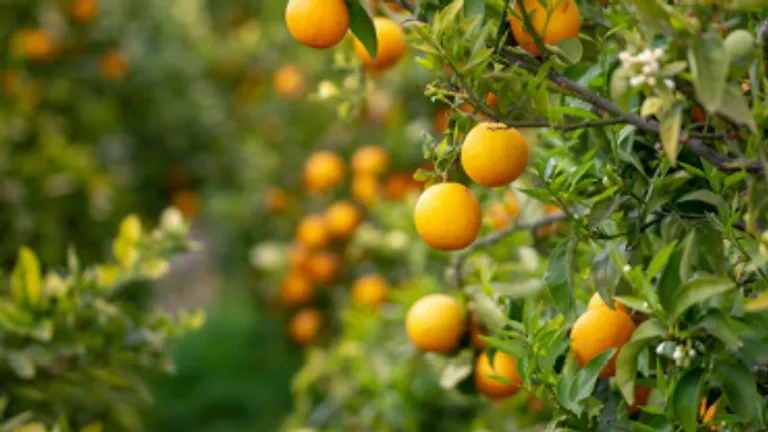
South Africa's citrus exports to the EU have dropped significantly due to stringent and disputed phytosanitary regulations. The EU mandates cooling measures to prevent pest infestations, such as the false codling moth, adding costs and logistical hurdles for South African producers. The Citrus Growers' Association (CGA) has criticised the regulations as unscientific and believes they unfairly target South African trade to benefit EU growers, particularly in Spain. These challenges, coupled with rising input costs and delays, have cost the industry over R200 million. Ongoing disputes may escalate to World Trade Organization arbitration.
Read more / source: Farmer's Weekly
Date Published: November 29, 2024
Repo Rate Cut Brings Relief to Farmers as Inflation Declines
The South African Reserve Bank’s decision to reduce the repo rate is welcomed by farmers grappling with rising input costs. Declining inflation has eased financial pressures, offering a lifeline to agriculture amid economic challenges. Lower interest rates are expected to reduce borrowing costs, making it easier for farmers to invest in production. This measure is seen as critical for sustaining food security and fostering sectoral growth, especially after inflation impacted both consumer spending and farming operations.
Read more / source: Food For Mzansi
Date Published: November 29, 2024
African News
Water Hyacinth Sparks Economic Opportunities at Dunga Beach
At Dunga Beach, Kisumu, water hyacinth, once seen as an environmental nuisance, is driving innovation and economic activity. Local initiatives transform the invasive plant into valuable products like biofuel, animal feed, and organic fertiliser, reducing its impact on Lake Victoria’s ecosystem. These efforts provide income opportunities for communities affected by the weed’s disruption of fishing. Processing methods make the plant more useful, addressing environmental and economic challenges simultaneously.
Read more / source: FarmBiz Africa
Date Published: November 28, 2024
Global News
Climate Change Prompts Shift in Crop Preferences Among Indian Farmers
Indian farmers are gradually moving away from rapeseed cultivation due to climate change, which has disrupted crop cycles and reduced yields. The rising temperatures and unpredictable rainfall patterns have made rapeseed less viable, especially in regions like Rajasthan and Haryana, which traditionally contribute significantly to India’s rapeseed production. Farmers are increasingly opting for alternative crops like mustard and chickpeas, which are better adapted to the changing climate. This trend highlights the urgent need for climate-resilient agricultural practices and policy support to sustain India's oilseed production and ensure food security.
Read more / source: Agro Spectrum India
Date Published: November 28, 2024
EU Agri-Food Trade Slows but Surplus Remains Strong
The European Commission's report highlights a slowdown in EU agri-food trade for the first five months of 2024, with cumulative exports reaching €97.4 billion, a modest 2% rise from 2023. Imports during this period totalled €69.6 billion, leaving a comfortable trade surplus of €5 billion in May. The UK and US remain top export destinations, with US demand bolstered by rising olive oil prices. However, exports to China fell by 10% due to reduced sales in pigmeat and dairy products. Key import trends show increases in cocoa, coffee, and fruit but declining volumes of cereals and vegetable oils.
Read more / source: Agriland
Date Published: November 28, 2024
Buenos Aires Bolsters Reputation as a Hub for Premium Olive Oil Production
The southwest of Buenos Aires, particularly Coronel Dorrego, is emerging as a leading region for premium olive oil production, leveraging its unique climate and soil conditions. These include sandy loam soils with excellent drainage, cold winters, and significant thermal amplitude, which enhance oleic acid content and phenolic compounds in the oil. Argentina produces 40,000 tonnes of olive oil annually, exporting most to the US, Spain, and Brazil. Coronel Dorrego, responsible for nearly half the province's production, exemplifies the sector's growth, supported by super-intensive farming methods and advanced mechanisation. Efforts are now focused on creating a regional brand to further distinguish their high-quality extra virgin olive oil.
Read more / source: Revista Chacra
Date Published: November 28, 2024
Record Summer Heat Slashes Japan’s Agricultural Production by 70%
A survey by Japan Agricultural News reveals that record summer heat in 2024 caused significant declines in Japan's agricultural production and quality. About 70% of respondents, including farmers and agricultural officials from 42 prefectures, reported reduced output and shipping volumes, with 29% experiencing severe decreases. Additionally, 66% noted deterioration in product quality. Impacts ranged from lower rice grades in Niigata due to pest damage to cracked tomatoes in Kumamoto and poor grape colouring in Gunma. Livestock farmers faced challenges like heat-induced infertility in cows. Experts warn that rising temperatures may continue to threaten agriculture, necessitating urgent adaptation measures.
Read more / source: Agri News Japan
Date Published: November 29, 2024










