

South African News
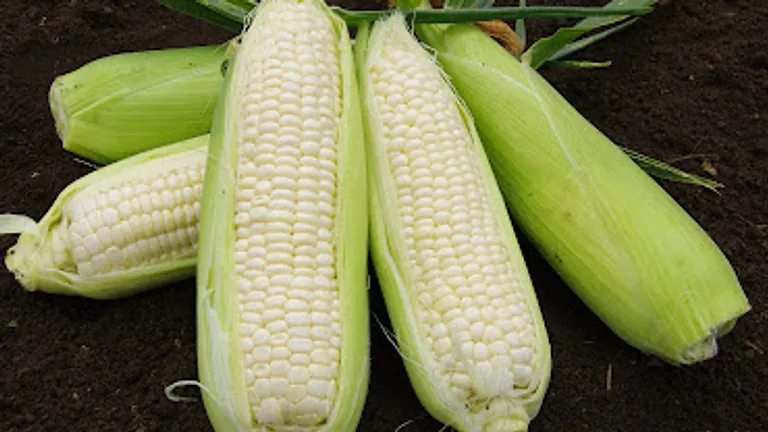
South Africa’s First White Maize Shipment Since 2017 Arrives Amid Tight Supplies
South Africa recently received its first white maize import since 2017 as a Bahamas-flagged vessel offloaded 23,700 tons of US-produced white maize at Durban Port. The shipment follows severe drought conditions that slashed local white maize production by 29% in 2023, leaving stocks critically low. Agricultural experts anticipate continued high maize prices into early 2025, with potential relief contingent on the 2025/26 harvest. Regionally, neighbouring nations also face maize shortages due to drought, impacting South Africa’s export capacity. Despite challenges, domestic reserves and carry-over stocks have so far averted a crisis, underlining the need for climate-resilient agricultural strategies.
Read more / source: Farmer’s Weekly
Date Published: January 17, 2025
Low Insurance Uptake Exposes South African Farmers to Climate Risks
South African farmers are increasingly vulnerable to climate-related disasters such as fires, frost, and floods, exacerbated by low adoption of agricultural insurance. Despite the growing unpredictability of weather patterns, many farmers remain uninsured, leaving them exposed to significant financial losses. Experts urge the agricultural sector to prioritise risk mitigation strategies, including comprehensive insurance coverage, to safeguard livelihoods and ensure food security. The need for proactive measures is underscored by recent extreme weather events impacting the farming community.
Read more / source: Food For Mzansi
Date Published: January 20, 2025
African News
Namibia Halts German Livestock Imports Amid Foot-and-Mouth Disease Concerns
Namibia has suspended livestock imports from Germany following an outbreak of foot-and-mouth disease (FMD) in the European country. The ban, announced by the Namibian government, is a preventive measure aimed at protecting the nation’s agricultural sector and livestock industry from the highly contagious disease. Foot-and-mouth disease poses a significant risk to animal health, particularly in countries with robust livestock sectors like Namibia. Authorities have stated that they will continue to monitor the situation closely and reassess the ban as circumstances evolve. This move underscores the importance of stringent biosecurity measures to prevent the spread of animal diseases.
Read more / source: Namibian Farming
Date Published: January 16, 2025
Global News
Japan Urged to Uphold Food Security Amid U.S. Policy Shifts
With Donald Trump's return to the U.S. presidency, Japan faces potential challenges due to his "America First" stance, including proposed tariff increases and unpredictable international policies. The Japan Agricultural News editorial emphasizes the importance of Japan maintaining a consistent approach to agricultural and food security policies, regardless of U.S. actions. The revised Food, Agriculture, and Rural Areas Basic Act highlights securing food security as a central pillar, underscoring the need to strengthen Japan's self-sufficiency in food production. The editorial calls for Japan to reaffirm its fundamental stance and communicate it clearly both domestically and internationally.
Read more / source: The Japan Agricultural News
Date Published: January 20, 2025
IIT Bombay Researchers Identify Bacteria Capable of Remediating Soil Pollutants
Researchers from the Indian Institute of Technology Bombay have discovered specific bacterial species capable of degrading toxic organic pollutants in soil. These bacteria not only break down harmful chemicals but also promote plant growth by enhancing growth hormones, inhibiting pathogenic fungi, and making essential nutrients more accessible to plants. This bioremediation approach offers a sustainable alternative to chemical pesticides and insecticides, potentially improving soil health and fertility. The study underscores the role of beneficial microbes in addressing soil contamination and supporting agricultural productivity.
Read more / source: Agro Spectrum India
Date Published: January 20, 2025
Tariff Threats and Import Restrictions Cloud Outlook for Beef Producers
The U.S. beef industry faces potential challenges due to President-elect Donald Trump's proposal to impose a 25% tariff on imports from Mexico and Canada, key suppliers of agricultural products, including beef. This move could disrupt the supply chain, leading to increased costs for producers and higher prices for consumers. Additionally, recent import restrictions stemming from a screwworm outbreak in Mexico have further tightened beef supplies. These factors have contributed to record-high cattle futures prices, reflecting market concerns over potential supply constraints.
Read more / source: Canadian Cattlemen
Date Published: January 17, 2025
Yara UK Collaborates with Branston to Reduce Carbon Emissions in Potato Farming
Yara UK has partnered with Branston, a leading UK potato supplier, to implement a Lower Carbon Crop Nutrition Program aimed at decreasing the carbon footprint of potato production. This initiative will be trialed at Branston's Lincolnshire farm, focusing on the Tesco Finest white potato line. Yara will provide lower carbon fertilisers and collect data to demonstrate potential carbon reductions without compromising yield. The project aligns with both companies' commitments to sustainable agriculture and may extend to Branston's external growers in the future.
Read more / source: AgroPages
Date Published: January 20, 2025










