

South African News
Poultry Abattoirs in South Africa Urged to Implement Sustainable Water Practices
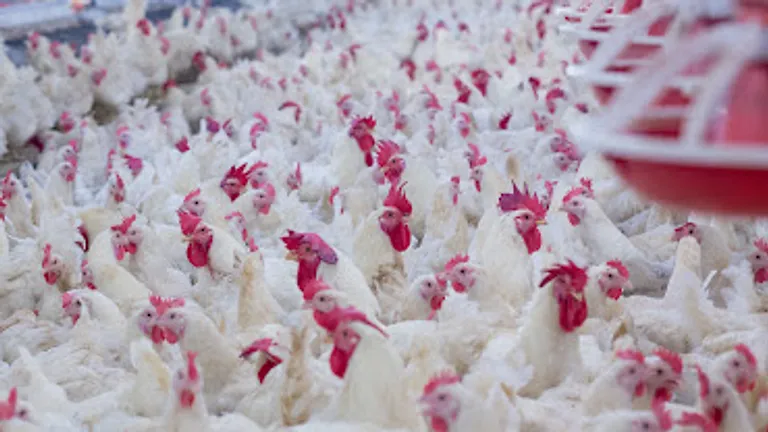
South African poultry abattoirs are under scrutiny for their substantial water consumption, averaging 25 litres per bird, which exacerbates the nation's water scarcity issues. Experts, including Professor Moses Basitere from the University of Cape Town, highlight the environmental impact of this high potable water demand and the challenges posed by wastewater containing organic matter, fats, oils, and grease. To mitigate these effects, industry specialists advocate for the adoption of sustainable water management practices, such as recycling treated wastewater for non-potable uses like cleaning and irrigation. Abattoir manager Jeremiah Jothams emphasises the necessity of integrating water recycling into waste management programmes to promote environmental sustainability. However, some processors, like Kamogelo Thobejane from Limpopo, express concerns about recycling water due to hygiene standards, indicating a need for balanced solutions that ensure both sustainability and food safety.
Read full story: Food For Mzansi
Date Published: January 23, 2025
Agritourism Gains Popularity Amidst Economic Pressures in South Africa
South Africa's agritourism sector has experienced a surge in interest, particularly among youth, urban residents, and families, during the recent festive season. Jacqui Taylor, CEO and founder of Agritourism Africa, attributes this trend to the economic challenges faced by many South Africans, making traditional city holidays increasingly unaffordable. As a result, more individuals are seeking alternative, cost-effective leisure options such as 'glamping' and camping. This shift reflects a broader global movement towards agritourism, which is projected to grow at a compound annual rate of 11.5% from 2022 to 2030. The rise in agritourism is also seen as a strategic move by small to medium-sized farmers to diversify income streams beyond primary production.
Read full story: Farmers Weekly
Date Published: January 23, 2025
African News
Bühler Sees Significant Growth in Africa Due to Increased Demand for Staple Foods
Bühler Group is experiencing rapid growth in Africa, driven by a growing demand for staple foods such as rice, maize, and wheat. The company is expanding its operations on the continent to cater to this rising demand, focusing on providing local food processing solutions that increase efficiency and sustainability. Bühler's initiatives aim to improve food security, support economic development, and build resilient agricultural supply chains across Africa. By leveraging cutting-edge technologies, Bühler aims to help Africa's agriculture sector meet the challenges posed by population growth and climate change, ensuring sustainable food production for the future.
Read full story: Ngage Media
Date Published: January 21, 2025
Global News
Kumiai and Valent U.S.A. Collaborate to Develop Effeeda® Herbicides for U.S. Rice Producers
Kumiai Chemical Industry Co., Ltd. and Valent U.S.A. LLC have announced an exclusive partnership to jointly develop Effeeda®, a new herbicide aimed at addressing weed resistance in U.S. rice production. The herbicide, which contains Fenquinotrione, is a triketone compound with an HPPD inhibitor mode of action, designed to target a broad spectrum of weeds, including those resistant to ALS inhibitor herbicides. The collaboration reflects the companies’ shared commitment to advancing sustainable agricultural practices and improving crop management. Through this partnership, both companies aim to offer U.S. rice farmers effective solutions to tackle emerging weed resistance challenges and ensure long-term productivity.
Read full story: AgroPages
Date Published: January 23, 2025
Argentina Tightens Sanitary Controls Following Discovery of 140 Tonnes of Illegal Oranges
Argentina’s National Service of Agri-Food Health and Quality (Senasa) has ramped up sanitary inspections after seizing 140 tonnes of illegally transported oranges. The discovery underscores the importance of stringent health regulations to prevent the unauthorised movement of plant products, which poses significant risks to the agricultural sector. Senasa is implementing stricter measures at checkpoints and refining its strategies to enforce compliance with national health and safety standards. These actions aim to safeguard both domestic agriculture and consumer health by curbing potential threats from illegal produce entering the supply chain.
Read full story: Revista Chacra
Date Published: January 22, 2025
IRRI and XAG Partner to Advance Digital Agriculture in the Philippines
The International Rice Research Institute (IRRI) has partnered with smart agriculture technology leader XAG to promote digital agriculture and precision farming in the Philippines. Through a Memorandum of Understanding, the collaboration aims to validate the application of smart agriculture technologies in rice-based cropping systems via experimentation and research. XAG, through its Philippine partner Agridom, has donated agricultural drones to IRRI to support this initiative. Agridom has been instrumental in introducing XAG's agricultural drones to local farmers and institutions, bringing cutting-edge technology to the country's agricultural sector.
Read full story: Agro Spectrum India
Date Published: January 21, 2025
UK Eases Bluetongue Restrictions Amid Seasonal Decline in Midge Activity
The UK's Chief Veterinary Officer has announced the onset of the seasonal vector low period for the bluetongue virus, attributed to decreased midge activity due to cooler temperatures. Consequently, as of January 21, certain restrictions have been relaxed, including the removal of post-movement testing requirements for animals exiting the restricted zone, the mandatory use of insecticide on transport vehicles, and the necessity for animals moving outside the restricted zone for slaughter to be sent to designated abattoirs. Despite these eased measures, the existing restricted zones along the east and south coasts of England will remain in place. Farmers are urged to remain vigilant, regularly monitor livestock for signs of the disease, and report any suspicions to the Animal and Plant Health Agency.
Read full story: Agriland UK
Date Published: January 22, 2025










