

South African News
South African Poultry Sector Hoping to Grow Export Market
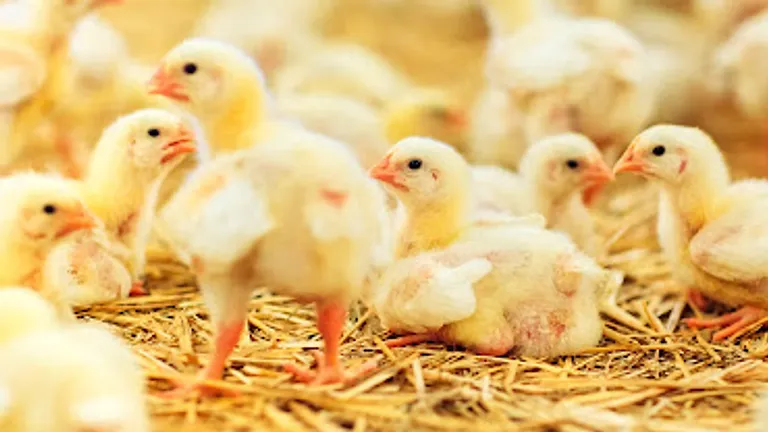
The South African poultry sector is advocating for a comprehensive revision of the Poultry Master Plan to enhance export growth and address challenges such as illegal imports and trade tariffs. Key proposals include removing value-added tax (VAT) on chicken products, approving vaccinations against avian influenza, and restructuring trade tariffs to curb illegal chicken imports. The industry aims to double chicken exports within three years and quadruple them by 2028. However, exports have declined since the plan's inception in 2019, prompting calls for renewed focus and collaboration between the government and industry stakeholders.
Read Full Story: Food For Mzansi
Date Published: January 29, 2025
Nedbank Highlights Innovation and Resilience as Pillars for Agriculture's Future
Nedbank emphasizes the critical role of innovation and resilience in shaping the future of South Africa's agricultural sector. The bank advocates for the adoption of advanced technologies, such as precision farming and blockchain, to enhance efficiency and transparency across the agricultural value chain. Nedbank's initiatives, including the Avo platform and collaboration with neXgro's electronic payment system, aim to revolutionize payment settlements within agricultural value chains, driving efficiency and security. The bank also stresses the importance of sustainable farming practices and the need for inclusive market strategies to bolster the sector's resilience against external challenges.
Read Full Story: Food For Mzansi
Date Published: January 29, 2025
African News
Zimbabwe to Conduct First Agricultural Census Since Independence
Summary: Zimbabwe is set to undertake its inaugural National Agricultural and Livestock Census (NALC) since gaining independence in 1980, with support from the Food and Agriculture Organization of the United Nations (FAO). The absence of such a census has resulted in significant gaps in the country's agricultural statistics. The NALC aims to fill these gaps to aid in transforming Zimbabwe's agrifood systems. The FAO is providing technical assistance to develop a comprehensive action plan for the census and is also assisting in updating the national food balance sheet. This initiative aligns with Zimbabwe's Strategic Plan for Agricultural and Rural Statistics (2025 to 2029) and the National Strategy for the Development of Statistics (2022 to 2026).
Read Full Story: Farmer's Weekly
Date Published: January 28, 2025
Global News
Scarce Livestock Supply Bolsters Market Prices
The limited availability of livestock has led to a firming of market prices. This scarcity has prompted increased competition among buyers, resulting in price increases across various categories. Analysts anticipate that this trend of limited supply and robust pricing will persist, potentially leading to sustained higher prices for consumers. Factors contributing to the reduced supply include adverse weather conditions and strategic decisions by producers to withhold stock in response to market uncertainties.
Read Full Story: Revista Chacra
Date Published: January 28, 2025
Asian Soybean Rust Remains a Significant Threat to Brazil's Soybean Crop
Asian soybean rust continues to pose a major threat to Brazil's soybean production, with the potential to cause substantial damage if not effectively managed. However, for the 2025 harvest, favorable weather conditions and improved management strategies offer hope for a more stable yield. Recent data from the Anti-Rust Consortium indicate a significant decrease in disease outbreaks in 2024, particularly after December, due to reduced rainfall and higher temperatures in southern Brazil. Despite this decline, experts emphasize the importance of continued vigilance and rigorous control measures to prevent significant losses.
Read Full Story: Agrolink
Date Published: January 28, 2025
GB Dairy Calf Strategy Achieves Significant Welfare Improvements
The GB Dairy Calf Strategy, initiated in 2020 by the Agriculture and Horticulture Development Board (AHDB) and the National Farmers' Union (NFU), has led to notable advancements in dairy calf welfare. A key achievement includes a 65% reduction in the birth of pure-bred dairy bull calves over the past decade, accompanied by a 77% increase in beef cross dairy calves. These outcomes are attributed to the widespread adoption of sexed semen, now representing 84% of all dairy semen sales, and the implementation of responsible breeding strategies. The strategy aims to ensure all dairy-bred calves are reared with care and purpose within the dairy or beef supply chains, thereby eliminating routine euthanasia. Looking ahead to 2028, the focus will remain on rearing every calf with care, strengthening relationships across the beef supply chain, and promoting the 'Buy British' message to meet market demands and reduce beef imports.
Read Full Story: FarmingUK
Date Published: January 28, 2025
ICAR-IGFRI's Bundelkhandi Goat Breed Gains Official Recognition
The Indian Council of Agricultural Research's Indian Grassland and Fodder Research Institute (ICAR-IGFRI) has successfully developed the Bundelkhandi goat, which has now received official breed recognition. This recognition underscores the institute's commitment to enhancing livestock diversity and promoting sustainable agriculture in the Bundelkhand region. The Bundelkhandi goat is noted for its adaptability to local conditions and potential to improve the livelihoods of farmers through increased meat and milk production. This development is expected to contribute significantly to the region's agricultural economy and support the conservation of indigenous livestock breeds.
Read Full Story: AgroSpectrum
Date Published: January 29, 2025










