

South African News
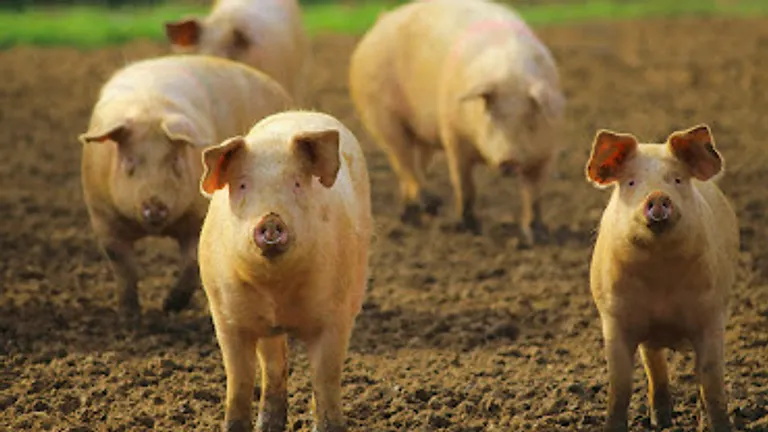
Decrease in African Swine Fever Cases Amid Recent Outbreaks
Recent reports highlight a decline in African swine fever (ASF) cases across Africa, despite the occurrence of new outbreaks. Prevalence in South Africa is much lower than it was three years ago. Health officials credit this reduction to enhanced biosecurity measures and vaccination initiatives in affected regions. While some countries continue to face challenges, the overall trend is positive, indicating that strategies to manage the disease are effective. Continued vigilance, monitoring, and rapid response are essential to prevent further spread of ASF and protect both livestock and the agricultural economy.
Read full story: AgriOrbit
Date Published: February 5, 2025
Farmers Express Distrust Towards Expropriation Bill
Farmers in South Africa have voiced significant concerns regarding the Expropriation Bill, fearing it could undermine their land rights and livelihoods. Industry representatives, including AgriSA President Danie de Jager, argue that the legislation lacks sufficient safeguards to protect farmers against arbitrary expropriation. They believe that the proposed amendments do not address their worries about fair compensation and the potential impact on agricultural productivity. The farming community calls for a more transparent and consultative approach to land reform to ensure the sustainability of the sector.
Read full story: Food for Mzansi
Date Published: February 6, 2025
African News
Ghana Aims to Boost Cashew Processing Amidst Export Challenges
Ghana, the world’s third-largest exporter of raw cashew nuts, is struggling to enhance local processing despite significant export revenues. Farmers earn minimal returns, receiving about $50 for 100kg of unshelled cashews, while roasted nuts fetch up to $40,000 per tonne. The high cost of credit hampers local businesses, limiting processing capacity to less than 20%. Efforts to implement export bans and tariffs have faced backlash, indicating a need for better infrastructure and market access. Entrepreneurs like Mildred Akotia are pushing for growth in local processing to meet rising international demand.
Read full story: BBC News https://www.bbc.co.uk/news/articles/cg5y1r189m0o
Date Published: February 5, 2025
Global News
Norway Rejects Fish Farm Ban Despite Risks to Wild Salmon
Norway's government has ruled out a ban on fish farms, despite growing concerns over their impact on wild salmon populations. Environmental groups have warned that pollution and disease from aquaculture pose an existential threat to wild salmon, which are vital for local ecosystems and fisheries. Officials cited the economic benefits of the fish farming industry as a primary reason for maintaining the status quo. Critics argue that stricter regulations and sustainable practices are necessary to balance economic interests with environmental protection.
Read full story: The Guardian
Date Published: February 4, 2025
USDA Detects Second Bird Flu Strain in Dairy Cattle
The United States Department of Agriculture (USDA) has identified a second strain of avian influenza in dairy cattle, according to an internal email. This detection raises concerns about the potential spread of the virus within the livestock industry. While avian influenza primarily affects birds, the presence of this strain in cattle underscores the need for heightened biosecurity measures. Officials are urging farmers to monitor their herds closely and report any unusual health issues. The USDA is continuing its surveillance to assess the situation and implement necessary precautions.
Read full story: Canadian Cattlemen
Date Published: February 5, 2025
EU Farm Subsidies Criticised for Greenwashing Amid CAP Reforms
A new report raises concerns that billions in EU farm subsidies may be contributing to greenwashing rather than promoting genuine environmental sustainability. Despite the Common Agricultural Policy (CAP) reforms aiming to enhance eco-schemes, critics argue that the implementation is insufficient, allowing practices that harm the environment to continue receiving funding. The findings suggest that without stricter regulations and accountability measures, the subsidies could undermine the EU’s climate goals. Advocates are calling for more transparent criteria to ensure that public money supports truly sustainable agricultural practices.
Read full story: Politico
Date Published: February 5, 2025
US Sheep Farmers Advocate for Tariff Protection
US sheep farmers are increasingly vocal about the need for tariff protections to safeguard their industry from foreign competition. As imported lamb continues to flood the market, local producers argue that existing tariffs are insufficient to maintain fair pricing and protect domestic livelihoods. Industry representatives are pushing for policy changes that would impose higher tariffs on imports, particularly from countries with lower production costs. They believe these measures are essential to bolster the struggling US sheep farming sector and ensure its sustainability in the face of global market pressures.
Read full story: Farmers Weekly New Zealand
Date Published: February 4, 2025










