

South African News
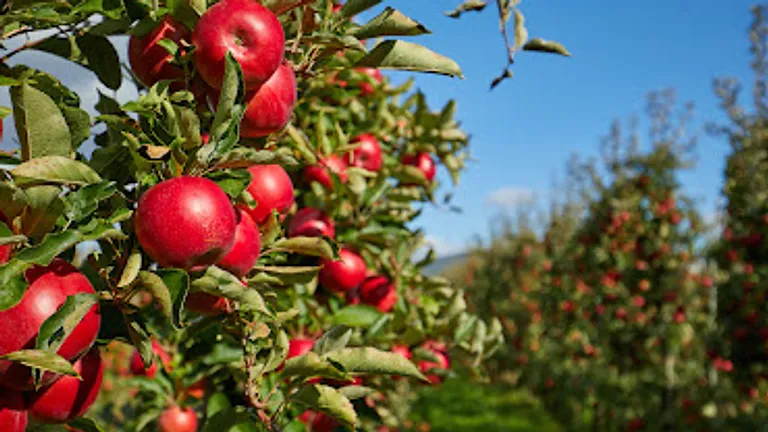
Apples Celebrate 363 Years in South Africa
Apples have been cultivated in South Africa for 363 years, with the Dutch East India Company introducing seeds in the late 1600s. The Western Cape remains the nation's primary apple-growing region, producing over half of the country's apples. In 2024, South Africa's agricultural exports reached a record high of US$13.7 billion, with apples and pears among the top exported products by value. The apple industry continues to thrive, contributing significantly to the economy and providing employment opportunities across various sectors.
Read full story: Farmer’s Weekly
Date Published: April 17, 2025
Herbicide-Resistant Weeds Pose Threat to South African Soybean Profits
Herbicide-resistant weeds are increasingly challenging South African soybean farmers, particularly the hairy fleabane (Conyza bonariensis), which has developed resistance to glyphosate. This resistance undermines the effectiveness of glyphosate, a widely used herbicide in zero-till systems. The proliferation of these resistant weeds leads to higher production costs and reduced yields, impacting profitability. Additionally, the rising cost of glyphosate, influenced by global supply chain issues, further strains farmers' financial resources. Addressing this issue requires integrated weed management strategies and investment in alternative herbicides to maintain soybean production efficiency.
Read full story: Food for Mzansi
Date Published: April 17, 2025
African News
CGIAR SAAF Programme Aims to Benefit 1.7 Million People with Sustainable Livestock and Aquaculture Innovations
The CGIAR Sustainable Animal and Aquatic Foods (SAAF) Science Programme is set to positively impact 1.7 million individuals by 2030. The initiative focuses on enhancing the productivity, climate resilience, and inclusivity of small-scale livestock and aquaculture systems, which are vital for food security in low- and middle-income countries. By addressing challenges such as climate change, environmental degradation, and inequitable access to resources, the programme aims to support equitable, low-emission, and nutritious food systems. The SAAF Programme is a key component of CGIAR’s 2025–2030 research portfolio.CGIAR+1Why Livestock Matter+1
Read full story: African Agribusiness
Date Published: April 16, 2025
Global News
Argentine Government Introduces New Registry for Meat and Dairy Operators, Revokes Over a Dozen Resolutions
The Argentine government has established a new registry for meat and dairy operators, aiming to streamline the agro-industrial sector. This initiative is part of a broader effort to reduce bureaucratic barriers and enhance efficiency in the industry. The government has also repealed more than a dozen outdated resolutions to simplify regulations and promote a more competitive market environment. These changes are expected to facilitate smoother operations for businesses involved in meat and dairy production and trade.
Read full story: Revista Chacra
Date Published: April 16, 2025
Europe Faces Accelerating Loss of Agricultural Land Amid Urban Expansion
Europe is experiencing a significant reduction in agricultural land, with projections indicating a 1.1% decrease between 2015 and 2030. This trend is primarily driven by urbanisation, land abandonment, and the intensification of farming practices. The decline is most pronounced in regions with ageing populations and limited economic opportunities, leading to rural depopulation. The European Environment Agency reports that approximately 30% of agricultural areas are at moderate to high risk of abandonment by 2030. This shift poses challenges for food security and biodiversity conservation across the continent.
Read full story: Euractiv
Date Published: April 16, 2025
Manjimup Engineer Converts Wasted Avocados into Premium Oil
Lawrence Cheng, a former engineer, has established an avocado oil processing facility in Manjimup, Western Australia, to address the significant food waste caused by avocados failing to meet supermarket standards. His operation focuses on processing blemished, undersized, or discoloured fruit that would otherwise be discarded. Since its inception in early 2024, the facility has diverted over 90 tonnes of waste into extra virgin avocado oil, with a processing capacity of up to 2 tonnes per hour. Cheng is also exploring additional uses for the waste to further reduce food loss.
Read full story: ABC News
Date Published: April 17, 2025
Ducks Unlimited Canada Utilises Drone Technology to Enhance Forage Seeding
Ducks Unlimited Canada (DUC) is pioneering the use of unmanned aerial vehicles (UAVs) to seed forages in challenging terrains, such as marginal and seasonally inaccessible areas. Collaborating with the University of Saskatchewan and the Saskatchewan Forage Council, DUC's initiative, part of the Agriculture Demonstration of Practices and Technologies (ADOPT) program, aims to optimise seeding rates, load capacities, and germination timing. Equipped with a 40-litre spray tank and a 50-kg seed spreader, these drones are deployed in wet or low-lying areas to improve soil conditions, weed management, and biodiversity.
Read full story: Canadian Cattlemen
Date Published: April 16, 2025










