

South African News
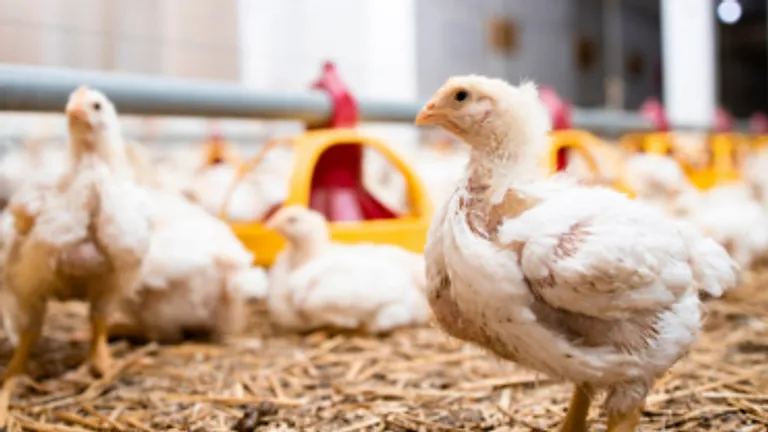
Brazil Chicken Import Ban Unlikely to Affect South African Supply
South African poultry producers are confident they can offset any shortages caused by a likely ban on chicken imports from Brazil due to a bird flu outbreak. With current production at 21.5 million chickens per week and capacity to increase by another million, the local industry is expected to maintain stable supply and prices, especially during winter when demand drops. While fresh and frozen chicken supply will remain unaffected, there may be challenges with mechanically deboned meat (MDM), heavily used in processed products. The Department of Agriculture has ruled out allowing any potentially infected imports, prioritising biosecurity.
Read full story: South African Poultry Association (SAPA) Media Statement
Date Published: May 20, 2025
Agricultural Sector Continues to Generate Employment Amidst Challenges
Despite facing challenges such as droughts, animal diseases, and infrastructure issues, South Africa's agricultural sector remains a significant source of employment. In the third quarter of 2024, primary agriculture employment rose by 4% from the previous quarter, reaching 935,000 jobs, surpassing the long-term average of 799,000. Subsectors like livestock, horticulture, and game hunting contributed to this growth, while forestry and aquaculture experienced job losses. The sector's resilience underscores its importance in rural job creation, though addressing structural issues remains crucial for sustained growth.
Read full story: Farming Portal
Date Published: May 20, 2025
African News
Low-Emission Livestock Transforming Dairy Farming in Africa
Low-emission livestock practices are revolutionising dairy farming across Africa, enhancing productivity while reducing environmental impact. Initiatives like the Africa Asia Dairy Genetic Gains platform and the International Livestock Research Institute's Enviro-Cow project are identifying and promoting high-performing, low-emission breeds. These efforts have led to increased milk yields and improved livelihoods for farmers. Additionally, the Livestock and Climate Solutions Hub, launched at COP29, offers a comprehensive platform for climate-smart innovations, including advancements in animal health, genetics, and nutrition. These initiatives collectively support the transition to sustainable and climate-resilient dairy systems in Africa.
Read full story: Devex
Date Published: May 19, 2025
Global News
Indonesia Increases Palm Oil Export Levy to Support Biodiesel and Replanting Initiatives
Indonesia has raised its export levy on crude palm oil (CPO) from 7.5% to 10% of the reference price, effective from May 17, 2025. This adjustment aims to finance the national B40 biodiesel programme, which mandates a 40% palm oil blend in diesel fuel, and to support replanting efforts within the sector. The Indonesian Palm Oil Association (GAPKI) has expressed concerns that the higher levy could erode the country's competitiveness in the global market, as Indonesian palm oil becomes more expensive compared to that of neighbouring producers. Despite these concerns, the government is proceeding with its biodiesel targets, citing energy security and support for smallholder farmers as key priorities.
Read full story: UkrAgroConsult
Date Published: May 20, 2025
Mexico Strengthens Plant Health Leadership Amid Global Agricultural Challenges
Mexico is reinforcing its position as a global leader in plant health through science-based, preventive systems aimed at safeguarding crops, ensuring food security, and addressing emerging agricultural threats. Francisco Ramírez, General Director of Plant Health at SENASICA, highlighted Mexico's leadership in managing plant health risks. Protecting national crops is crucial for well-being, rural development, and sustainability, aligning with efforts to strengthen food self-sufficiency and sovereignty under President Claudia Sheinbaum's Plan México. Ramírez emphasized the importance of raising awareness about plant health, particularly in light of global challenges such as climate change, antimicrobial resistance, and emerging phytosanitary threats. The One Health approach, which integrates human, animal, and environmental health, is central to Mexico's strategy, aiming to enhance disease monitoring and establish a more holistic system to protect public health and ecosystems.
Read full story: Mexico Business News
Date Published: May 19, 2025
Kashmir's Saffron Farmers Turn to Indoor Cultivation Amid Climate Challenges
Saffron cultivation in Kashmir, particularly in Pampore, faces significant threats due to climate change, including rising temperatures and erratic rainfall. Production has declined from 8 metric tons in 2010–11 to 2.6 metric tons in 2023–24. In response, researchers at Sher-e-Kashmir University have developed an indoor farming method using nutrient-rich tubes, which has shown promise in enhancing temperature resistance and reducing crop failure risks. While some farmers continue traditional outdoor farming, others are adopting this innovative approach. The Kashmir Saffron Growers Association advocates for increased government support to scale up indoor cultivation as a climate-resilient solution.
Read full story: Channel News Asia
Date Published: May 20, 2025
Farmers in Southern NSW Sell Livestock Amid Deepening Drought
Farmers in southern New South Wales are facing severe drought conditions, leading to record numbers of livestock being sold. In the Riverina region, rainfall has been minimal, with some areas receiving only 1–10 millimetres last month. This has resulted in dried-up dams and barren paddocks. Farmers like Yvette McKenzie have been forced to sell sheep and hand-feed remaining stock with silage and grain to maintain their herds' health. The Wagga Wagga saleyards recently saw nearly 8,700 cattle sold, highlighting the crisis. While some relief is anticipated with potential rain in June, the situation remains dire.
Read full story: ABC News
Date Published: May 20, 2025










