

South African News
Innovation and Energy Drive Smarter Farming
The Fourth Agricultural Revolution, or Agriculture 4.0, is transforming farming through digital technologies that enhance productivity and sustainability. Key innovations include precision livestock farming, antimicrobial resistance management, and feed safety improvements. These advancements aim to address global challenges such as increasing food demand, environmental concerns, and the need for sustainable practices. The integration of smart technologies is reshaping the agricultural landscape, offering solutions to modernize farming in South Africa and ensure food security.
Read full story: Food for Mzansi
Date Published: May 27, 2025
South Africa on Track for Bumper Harvest in 2025
South Africa's agricultural sector is poised for a robust recovery in 2025, following a challenging 2023–24 season marked by drought and disease. The Crop Estimates Committee's latest forecast projects a summer grain and oilseed harvest of 18 million tonnes, a 16% increase from the previous year. Maize production is expected to reach 14.66 million tonnes, with white maize at 7.75 million tonnes and yellow maize at 6.91 million tonnes. Other crops, including soybeans, sunflower seeds, groundnuts, sorghum, and dry beans, are also anticipated to see significant gains. This positive outlook is attributed to favourable weather conditions and improved farming practices.
Read full story: Farmers Weekly
Date Published: May 25, 2025
African News
Climate-Smart Solutions Drive Eswatini’s Agricultural Boom
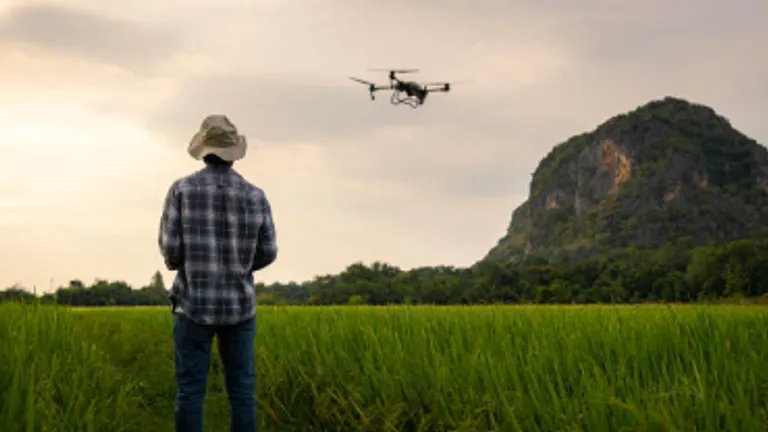
Eswatini is experiencing a significant agricultural transformation, driven by climate-smart innovations and strategic reforms. Initiatives like the Lower Usuthu Smallholder Irrigation Project (LUSIP) and the Mkhondo-Ngwavuma Water Augmentation Scheme are expanding commercial farmland and creating thousands of jobs. The integration of technologies such as drone farming, hydroponics, and data-driven irrigation systems is enhancing productivity and attracting youth to the sector. Emphasising climate resilience, the government is promoting practices like minimum tillage, water conservation, and soil health management. These efforts aim to boost food security, industrial growth, and rural development, positioning agriculture as a key driver of Eswatini’s economic prosperity.
Read full story: Eswatini Positive News
Date Published: May 26, 2025
Global News
Global Regenerative Farming Market Experiences Rapid Growth
The regenerative agriculture market is experiencing significant growth, driven by increasing concerns over climate change, soil degradation, and food security. This approach focuses on practices that restore soil health, enhance biodiversity, and improve water retention. As a result, the market is attracting substantial investments, with projections indicating continued expansion. Farmers adopting regenerative methods report improved yields and reduced input costs, further contributing to the sector's appeal. This shift towards sustainable farming practices is seen as a crucial step in addressing global environmental challenges while ensuring long-term food production.
Read full story: Genetic Literacy Project
Date Published: May 27, 2025
China's Wholesale Salmon Prices Dip in Week 22 Amidst Surge in Norwegian Supply
In week 22 of 2025, wholesale prices for Atlantic salmon in China's major cities declined, primarily due to an influx of Norwegian salmon. This surge in supply has exerted downward pressure on the market, leading to price reductions. Despite the price drop, Norwegian salmon remains a dominant presence in China's seafood market, benefiting from year-round supply agreements and efficient logistics. The increased availability of Norwegian salmon is expected to continue influencing market dynamics in the coming weeks.
Read full story: Undercurrent News
Date Published: May 26, 2025
Japan Overhauls Rice Distribution to Lower Prices by Early June
Amid soaring rice prices due to poor harvests and increased demand, Japan is implementing significant changes to its rice distribution system. Agriculture Minister Shinjiro Koizumi announced that 300,000 metric tonnes of government stockpiled rice would be sold directly to retailers at a reduced price of ¥2,000 per 5 kg bag, approximately half the current supermarket price. This move aims to alleviate public concern ahead of the July upper house elections. The government has also suspended its buyback policy and is expediting deliveries to ensure rice availability by early June.
Read full story: Japan Today
Date Published: May 26, 2025
Farmers Benefit from New Tax Break on Equipment
New Zealand farmers are set to gain from a 20% tax deduction on new farm equipment, tools, and machinery, introduced in the 2025 Budget. This "Investment Boost" aims to enhance productivity and support business growth. Prime Minister Christopher Luxon highlighted that the initiative would make essential items like tractors and pick up trucks more affordable for farmers and other sectors. The move is expected to stimulate investment, increase wages, and boost exports, contributing to a more competitive economy.
Read full story: NZ Herald
Date Published: May 26, 2025










