

South African News
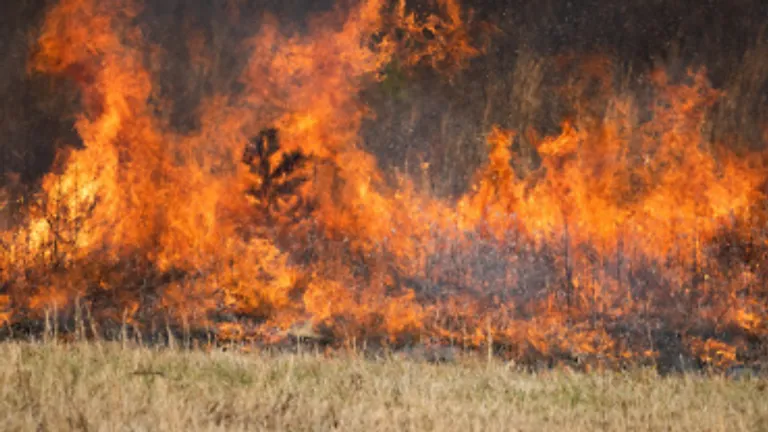
Farmers Brace for Intensifying Fire Season
As South Africa enters its peak fire season, farmers across provinces like Free State, North West, Northern Cape, Western Cape and Gauteng are urged to adopt proactive strategies—coordinated firebreaks, traditional burning knowledge, community communication and early preparation—to safeguard grazing land and livestock. Livestock farmer Vuyisile Yende highlights the role of peer support, cost-effective planning, and grazing management. Experts from Mpumalanga and North West Fire Protection Associations stress proper timing, weather monitoring and cooperation. The Department of Agriculture echoes these concerns, warning of escalating veld fire risks and encouraging vigilance against winter weather threats.
Read full story: Food For Mzansi
Date Published: June 13, 2025
Three Key Innovations Poised to Revolutionise South Africa’s Food System by 2040
South Africa’s food system is set for a transformation by 2040, driven by innovations aimed at improving food safety, reducing waste, and boosting sustainability. With over a quarter of South Africans facing hunger—not due to shortages, but due to inefficiencies—three emerging trends are set to tackle the crisis. These include decentralised vertical and off-grid farming, digital tools for better water and crop management, and the integration of IoT for smart agriculture. These technologies will enable more efficient production, reduce waste by up to 15%, and increase crop yields, while promoting food safety and environmental sustainability.
Read full story: Zawya
Date Published: June 12, 2025
African News
WorldFish Launches USD 10 Million Genetically Improved Tilapia Project in Kenya
WorldFish has launched a USD 10 million (EUR 8.8 million) initiative in Kenya aimed at boosting tilapia farming through genetically improved strains. The five-year Climate-Resilient Aquaculture (CASA) project targets 4,000 farmers across Homa Bay, Busia, Kakamega, Migori, and Kisii, providing over 150 million improved tilapia seed. Backed by the Gates Foundation and Qatar Fund for Development, the project aims to triple Kenya’s fish production by 2030. Benefits of the enhanced strains include faster growth, improved survival rates, and higher profitability. The project also supports broader regional genetic improvement of native tilapia across eight SADC nations.
Read full story: Seafood Source
Date Published: June 12, 2025
Global News
Europe Now Hosts Over 24,000 Intensive “Megafarms”, Research Finds
More than 24,000 large-scale livestock operations—each housing at least 40,000 poultry or thousands of pigs—now operate across Europe, with 1,824 in the UK alone as of 2023. The surge in megafarms has coincided with the decline of smaller farms, worsening income inequality and triggering environmental harm. These include biodiversity loss and phosphate pollution in rivers. In the UK, nearly 7,000 environmental breaches have been recorded at intensive farms since 2015, though the majority result in minimal enforcement. Critics are calling for urgent policy reform to safeguard animal welfare, ecosystems, and public health.
Read full story: The Guardian
Date Published: June 12, 2025
Brazilian Farmers in Arabica Heartlands Embrace Robusta Shift
In response to a roaring Robusta price rally, farmers across Brazilian regions traditionally devoted to Arabica are increasingly turning to the hardier Robusta variety. Driven by a 58% jump in Robusta futures in 2023 and supply issues in Vietnam, this shift has topped 300% in exports and seen local Robusta prices exceed those of Arabica. States such as Espírito Santo, Minas Gerais and São Paulo have seen up to 14% growth in Robusta plantings since 2018, while Arabica acreage has fallen approximately 18%. The trend underscores a market-driven move toward more resilient, high-yield coffee farming.
Read full story: Global Coffee Report
Date Published: June 13, 2025
China Champions Agrobiodiversity with Rice Terraces and Seed Banks
China is actively preserving its rich agrobiodiversity by integrating traditional farming methods with modern conservation strategies. Community seed banks—now present in dozens of provinces—support local farmers in maintaining a wide variety of crops, such as traditional millets, beans and rice landraces grown on terraced fields in Hebei and Yunnan. These initiatives encourage seed exchange, participatory breeding and in‑situ conservation, helping crops adapt to climate change. Meanwhile, national genebanks like the Germplasm Bank of Wild Species in Kunming safeguard tens of thousands of wild species—including critical rice genes—ensuring future food security and resilience.
Read full story: ORF
Date Published: June 13, 2025
HFN Drives Digital Transformation in Indian Farming Markets
Harvesting Farmers Network (HFN) has pioneered a digital mandi in Punjab, connecting farmers directly with buyers via WhatsApp and AI tools, boosting smallholder incomes by 2.5 times on average. Using trained local facilitators called Kisan Saarthis, HFN leverages satellite data and analytics to streamline sourcing, logistics, and quality control for over 3 million farmers. Plans to deploy 100 AI-powered micro mandis aim to reduce waste, enhance produce quality, and stabilise prices. This innovative platform also supports precision farming and informs climate-resilient policies, positioning India’s agriculture sector for a sustainable, equitable future.
Read full story: Urban Acres
Date Published: June 12, 2025










