

South African News
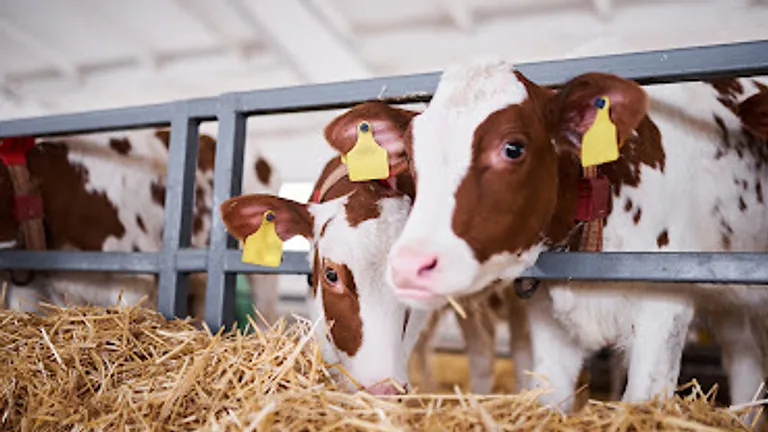
Farmers and processors urged to stay alert as foot-and-mouth disease spreads in North West
Farmers and red‑meat processors in South Africa’s North West province have been urged to bolster biosecurity measures as foot‑and‑mouth disease (FMD) spreads. The North West Red Meat Producers’ Organisation (NWRPO) emphasised strict adherence to protocols and traced cattle origins carefully. The outbreak was confirmed on 16 June 2025 in Dr Kenneth Kaunda District’s JB Marks municipality after testing samples at Onderstepoort Veterinary Institute. A second incident was detected at a Madibeng abattoir, where both SAT 2 and SAT 3 virus strains were found. Quarantines are in place, an FMD Working Group has been convened, and vaccination and containment efforts are underway.
Read full story: Farmer’s Weekly
Date Published: June 17, 2025
Importer urges flexible chicken deal with Brazil to avert protein shortage
Merlog Foods, a leading importer of chicken and chilled products, has urged the South African government to adopt a flexible, regional trade approach with Brazil—similar to its arrangement with the United States. This proposal would allow imports from unaffected Brazilian states during localized bird flu outbreaks, ensuring continued access to mechanically deboned meat (MDM), widely used in affordable protein products like polony and Vienna sausages. The current nationwide ban on Brazilian chicken threatens food security, potentially costing 100 million protein meals per week. Authorities have requested technical data from Brazil, and Merlog anticipates a decision “within the coming week.”
Read full story: Food For Mzansi
Date Published: June 18, 2025
African News
Tanzania’s Traditional Seeds Offer a Modern Path to Food Security and Resilience
In Kinonko, western Tanzania, farmer Fredrick Mathayo Kagoma sparked a grassroots revival by reintroducing a traditional rice variety that proved resilient, early-maturing and aromatic. His efforts reflect a wider shift, led by the Tanzania Agricultural Research Institute (TARI) and supported by the BOLD project, to rediscover the value of indigenous landraces. These seeds, often more adaptable to local conditions and less reliant on chemicals, are being embraced for their role in food security, rural entrepreneurship and climate resilience. The government now backs formal registration and scaling of farmer-preferred landraces, blending traditional knowledge with national agricultural planning.
Read full story: Business Beat
Date Published: June 17, 2025
Global News
EU Imposes Record €392 Million Fine on Greece Over Agricultural Subsidy Fraud
The European Commission has fined Greece €392.2 million after uncovering widespread mismanagement and fraud in its agricultural subsidy system from 2016 to 2022. The penalty follows investigations by the European Public Prosecutor’s Office, which found about 100 livestock farmers falsified residency or leasing claims to claim funds from the European Agricultural Guarantee Fund and Rural Development Fund. As a result, Greece will face a 5% cut in future EU payments, amounting to around €1.9 billion next year. The government has pledged administrative reforms to its paying agency, OPEKEPE, including integration with tax authorities and assistance from international consultants.
Read full story: Irish Independent
Date Published: June 18, 2025
India’s Kharif Sowing Swells as Monsoon Boosts Cropped Area; MSP Increased to Aid Farmers
Early sowing of this year’s kharif crops in India has expanded to 89.29 lakh hectares as of 13 June, up 1.48 lakh hectares compared to the same period last year, the Agriculture Ministry reported. Monsoon rains have enabled planting across unirrigated farms, with rice covering 4.53 lakh hectares (up from 4 lakh), pulses rising to 3.07 lakh hectares, and oilseeds reaching 2.05 lakh hectares. On 28 May, the Cabinet hiked Minimum Support Prices for 14 kharif crops—including substantial increases for nigerseed, ragi, cotton, and sesamum—to ensure farmers receive at least a 50–63% return over production costs.
Read full story: ABP Live
Date Published: June 17, 2025
NSW Government Pumps $141 Million into Biosecurity, Budget Tops $1 Billion
The New South Wales government has announced an injection of A$141.2 million into biosecurity measures, lifting the total budget beyond A$1 billion. Funding will be directed towards strengthening detection, response, and protection against invasive pests like feral pigs and fire ants, as well as upgrading research and development infrastructure abc.net.au. Farmers, notably near Tamworth, are facing increasing feral pig incursions, while fire ants pose a growing threat. Industry bodies stress that ongoing and strategically targeted investment is essential. The state aims to combine these measures with possible bounty schemes and modernised facilities to enhance agricultural resilience and attract new talent.
Read full story: ABC Rural
Date Published: June 17, 2025
Year‑round tomato cultivation in Hokkaido enabled by geothermal greenhouse heating
In the Nigorikawa area of Mori Town, Hokkaido, farmers have successfully harnessed geothermal heat to cultivate tomatoes year-round in greenhouses. This approach utilises sustainable low‑temperature hot water as a natural heat source, supporting continuous crop production even in harsh winters. The project began in the early 2000s, with intensive tomato farming driven by accessible geothermal resources, though concerns arose over sustainability and resource depletion. Despite challenges like overextraction and chemical use, the model demonstrates the economic and environmental potential of geothermal-assisted agriculture in cold climates.
Read full story: Think Geoenergy
Date Published: June 17, 2025










