

South African News
South Africa’s Strong Grain and Oilseed Harvest Set to Ease Food Price Inflation
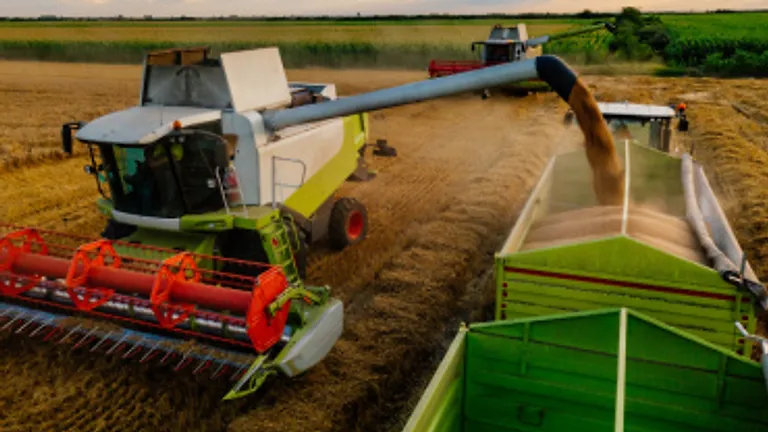
South Africa is experiencing a robust recovery in grain and oilseed production following last year’s drought, offering relief to food price inflation pressures. The Crop Estimates Committee's fifth forecast for the 2024–25 season raised expected output to 18.43 million tonnes—up 19% year-on-year. Notable increases include maize (up 15%), soybeans (up 43%), and dry beans (up 47%). Improved weather conditions and favourable yields have driven the surge, ensuring the country remains a net exporter of key crops. This substantial harvest is already helping to moderate commodity prices, with positive effects on food inflation anticipated in the latter half of 2025.
Read full story: Agricultural Economics Today
Date Published: June 29, 2025
Tech-Driven Vision Elevates Rural Farming in South Africa
Thabiso Sithole, a livestock farmer from Mpumalanga and finalist in the 2025 Metropolitan Collective Shapers Programme, is transforming rural agriculture through innovation. After leasing a 714ha farm and launching FieldTech Environmental Solutions in 2021, Sithole began using drone technology to modernise crop spraying, cattle auctions, and crop monitoring. FieldTech’s services aim to enhance farm productivity, reduce chemical use, and protect farm workers from hazardous exposure. Despite funding challenges, Sithole plans to expand into meat processing and equipment hire. His mission is clear: to drive safer, smarter agriculture in KwaZulu-Natal while empowering local communities and the rural economy.
Read full story: Farmer’s Weekly
Date Published: June 30, 2025
African News
West African Cocoa Farmers Miss Out on Global Price Surge
Despite soaring global cocoa prices, farmers in Ivory Coast—the world’s top cocoa producer—are not reaping the rewards due to outdated farming practices, chronic under-investment, and rigid government pricing policies. Fixed seasonal prices set by Ivorian regulators have left farmers earning a fraction of market rates, while rising production costs and ageing trees have suppressed yields. Climate change and disease have worsened the crisis, yet little support reaches farmers on the ground. While other regions benefit from higher prices, Ivorian farmers remain trapped in poverty, threatening the long-term viability of global cocoa supply.
Read full story: Financial Times
Date Published: June 30, 2025
Global News
Irish Farmers Face Uncertain Future Amid Likely Cuts to EU Subsidies
While Irish farm incomes rose by 36% in 2024, thanks in part to strong dairy performance, the outlook is far less optimistic. With EU Common Agricultural Policy (CAP) subsidies—currently a crucial income source for most farmers—expected to decline after 2027, the viability of sectors like beef and sheep farming is under threat. Beef farming remains unprofitable without subsidies, and most beef farmers are ageing or part-time. Climate change targets and high fertiliser emissions add further pressure. A shift towards more sustainable land use—such as agri-forestry—is urged, though excessive red tape hampers its adoption.
Read full story: The Irish Times
Date Published: June 30, 2025
India Resists US Push to Open Market to Genetically Modified Crops Amid Trade Talks
Trade negotiations between India and the United States have intensified ahead of a July 9 deadline, when the US President’s proposed tariff hike on Indian goods is set to begin. Talks were extended in Washington as key differences remain, notably over US demands for access to India’s agriculture and dairy markets, including the sale of genetically modified (GM) crops. India has rejected these demands, citing risks to food safety, public health, and farmer livelihoods. With over half of India’s population reliant on farming, officials argue that conceding would be politically and economically damaging.
Read full story: Financial Express
Date Published: June 30, 2025
North Canterbury Farmers Embrace Bokashi to Boost Soil Health and Sustainability
Farmers in North Canterbury are seeing impressive results from using bokashi, a Japanese anaerobic composting method that ferments organic waste into nutrient-rich fertiliser. One sheep and dairy grazier produces over 100 tonnes of bokashi annually using agricultural by-products like manure, sawdust, and spoiled produce. The technique has improved pasture growth, stock health, and soil fertility, with worm populations thriving in the treated paddocks. Although initially met with scepticism, results such as increased ewe scanning percentages and greater drought resilience have drawn attention from neighbouring farmers.
Read full story: Farmer’s Weekly
Date Published: June 30, 2025
Global Ice Cream Brands Lose Flavour Among China’s Gen Z
International ice cream giants like Häagen-Dazs are rapidly losing ground in China as Gen Z consumers turn to cheaper, trendier domestic alternatives. Once a symbol of luxury, foreign brands are now viewed as outdated and overpriced. Local competitors offer eye-catching, innovative products using seasonal ingredients at far lower prices, appealing to young Chinese who value creativity and accessibility. As economic pressures weigh on disposable income, foreign brands struggle to keep pace with the fast-evolving tastes and rapid product cycles of homegrown rivals. Häagen-Dazs has shuttered over 20% of its Chinese outlets in the past year amid waning popularity.
Read full story: South China Morning Post
Date Published: June 29, 2025










