

South African News
South Africa Steps Up Fight Against Illegal Seed Practices
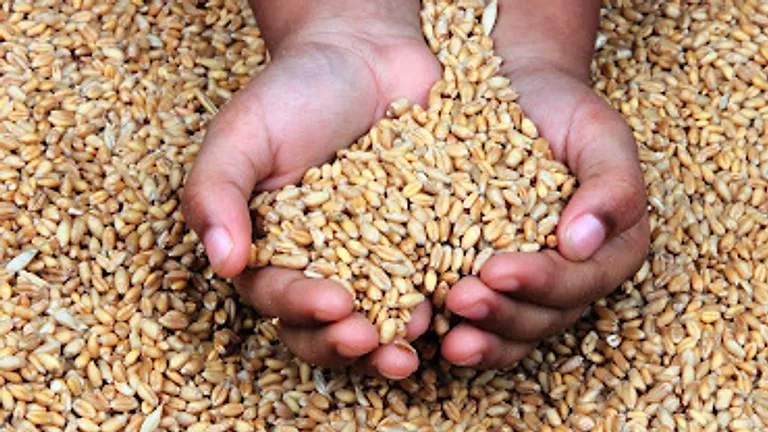
South Africa has made notable progress in combating illegal seed practices following a 2024 Memorandum of Understanding signed with the International Seed Federation. Key developments include the enactment of the Plant Health Act to modernise phytosanitary regulations and improvements in seed certification, traceability, and enforcement. The South African National Seed Organisation (SANSOR) reports increased collaboration between government and industry, with awareness campaigns underway to promote certified seed use. While unauthorised seed sales—particularly in wheat—remain an issue, ongoing partnerships and vigilance aim to safeguard agricultural integrity, innovation, and food security.
Read full story: Farmer's Weekly
Date Published: July 1, 2025
Call for Greater Support and Staffing for South Africa’s Extension Officers
At this year’s SASAE conference, agricultural leaders highlighted the urgent need to strengthen South Africa’s extension services. Extension officers—crucial in supporting farmers and ensuring food security—are reportedly overstretched, with some responsible for more than 50 farmers. Director-general Mooketsa Ramasodi and veteran trainer Elijah Ramafoko called for increased resources, modern training, and technological exposure to meet growing demands. Officers themselves stressed the strain of balancing farm visits with administrative duties, underscoring the need for more personnel to serve as effective links between farmers and government. A renewed investment in this workforce is seen as key to agricultural success.
Read full story: Food For Mzansi
Date Published: July 2, 2025
African News
Conservation Agriculture in Malawi Grows Through Long-Term Partnerships and Local Adaptation
CIMMYT and Total LandCare’s 20-year partnership in Malawi demonstrates that sustainable agricultural change is rooted in trust, science, and local realities—not quick wins. Since 2005, they have championed conservation agriculture (CA) to build climate resilience, improve yields, and strengthen smallholder livelihoods. Despite adoption challenges—like labour intensity and land constraints—long-term trials show improved maize-legume systems, soil health, and yield stability. Success has come slowly, through tailored approaches, persistent local engagement, and adaptive methods like using groundnut shells for mulching. The initiative highlights that meaningful scale-up demands more than models; it requires enduring relationships, flexible innovation, and farmer-led learning.
Read full story: CIMMYT
Date Published: July 1, 2025
Global News
Scientists Reflect on Loss of MethaneSAT, But Valuable Methane Data Remains
Scientists are lamenting the premature loss of MethaneSAT, a satellite developed to measure global methane emissions, including from New Zealand’s dairy regions. Launched in March 2024 and now unresponsive due to power failure, MethaneSAT captured 97 agricultural scans—13 over NZ—using highly precise technology. Despite its short operational life, initial analysis of the data aligns well with ground and aircraft-based models, allowing for the creation of detailed emissions maps. The project, a collaboration between NZ and the US-based Environmental Defence Fund, leaves a legacy of valuable insights and opens doors for future international space partnerships.
Read full story: Farmers Weekly
Date Published: July 2, 2025
Europe’s Heatwave Threatens Agriculture and Food Systems Amid Soaring Temperatures
Europe’s unprecedented heatwave is placing immense strain on agriculture, with potato crops particularly at risk. Temperatures exceeding 45°C in southern Europe have triggered fieldwork bans, irrigation surges, and concerns over tuber formation and reduced yields. Soil moisture is rapidly depleting in key farming areas like Spain, Italy, and southern France, while heat-stressed crops face disruption to harvest schedules. French authorities have suspended agricultural activity during peak heat hours to prevent fires and protect workers. As marine heatwaves further destabilise inland weather, scientists warn this is not a passing crisis but a climate-driven shift threatening food security across the continent.
Read full story: Potato News Today
Date Published: July 1, 2025
Cutting Out Middlemen Key to Scaling Regenerative Farming, Says Indian Pilot
A pioneering initiative in India is proving that regenerative farming can be both environmentally and economically viable — if farmers are freed from exploitative middlemen. The Save Soil Regenerative Agriculture Programme connects smallholder farmers directly with local consumers and businesses, boosting profits while promoting soil health and food sustainability. In Tamil Nadu, over 9,000 farmers have adopted regenerative methods, receiving fairer prices and bypassing costly certification processes. By creating grassroots markets and using digital tools like WhatsApp, the model is revitalising rural economies and making organic food more accessible. The approach offers a replicable blueprint for food systems worldwide.
Read full story: Earth.Org
Date Published: July 2, 2025
Screwworm Threat Could Devastate Texas Deer Population and $9.6 Billion Industry
The reemergence of New World screwworm (NWS) in Mexico poses a grave threat to Texas wildlife and its multi-billion-dollar deer hunting industry. White-tailed deer are especially vulnerable due to antler shedding and frequent wounds, offering entry points for NWS larvae. Infestation can lead to mortality rates as high as 80% in fawns and over 50% in broader populations. Texas agencies, including USDA and Texas A&M, are working on prevention strategies, including a new $8.5 million sterile fly facility. Vigilant observation and rapid reporting are critical to prevent the pest from crossing into the US and reestablishing itself.
Read full story: Farm Progress
Date Published: July 2, 2025










