

South African News
South African Study Highlights Urgent Need for Safer Water in Food Production
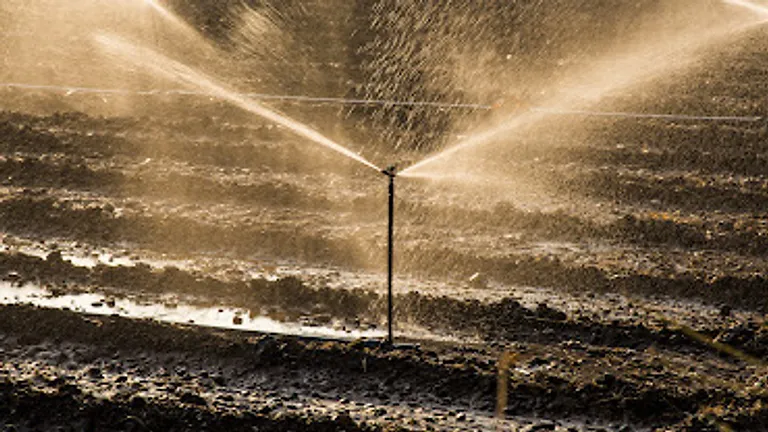
Decades of research by South African scientists reveal that poor water quality used in agriculture poses serious risks to food safety. Contaminated irrigation water — containing pathogens such as E. coli, Salmonella, and antibiotic-resistant bacteria — is often used by small-scale farmers and even some commercial operations. These contaminants can survive from field to market, exposing consumers to potential illness. The researchers stress the need for localised water testing, better guidelines, and collaboration among government, scientists, and farmers to safeguard public health and prevent disease outbreaks linked to fresh produce.
Read full story: Down to Earth
Date Published: July 3, 2025
Agri Synergy Launch Underscores Vital Role of Collaboration in Farming
The 2025 Agri Synergy event in Paarl marked a significant step in fostering collaboration between Agri Western Cape and its agribusiness partners. CEO Jannie Strydom illustrated the organisation’s support for farmers through a metaphorical image, highlighting its role in navigating external challenges such as regulation and infrastructure. Legal manager Louis Wessels emphasised Agri Western Cape’s strength, representing over 3,500 members and adapting to modern pressures. Strategic partnerships, improved communication, and engagement with government have been central to tackling issues like land prospecting, rural road maintenance, and water supply — reaffirming the power of unity in agriculture’s future.
Read full story: Farmer’s Weekly
Date Published: July 3, 2025
African News
Avoport CEO Champions ‘Plug-and-Play’ Model to Boost Intra-African Agricultural Trade
Speaking at the EU-Africa SME Summit, Avoport CEO Shandini Naidoo called for stronger collaboration between African agribusinesses to unlock intra-continental trade potential. With less than 16% of Africa’s trade occurring internally, Naidoo stressed the need to build agro-processing infrastructure, market access, and intelligence. Avoport, founded in 2017, has evolved into a trade advisory supporting farmer development and capacity building. Naidoo also highlighted the importance of aligning public-private partnerships, adapting to EU packaging regulations, and developing alternatives like hemp-based packaging. Her firm now supports over 400 trained hemp farmers, proving the value of strategic collaboration for agricultural innovation and sustainability.
Read full story: FreshPlaza
Date Published: July 2, 2025
Global News
U.S. Cattle Prices Rebound as Mexican Imports Resume; Hogs Also Gain
U.S. cattle futures rebounded on Wednesday following the USDA’s announcement of a phased reopening of borders to Mexican cattle imports, previously suspended since 11 May. The move aims to alleviate tight domestic supplies. August live cattle rose by 1.700 cents to 212.450 cents/lb, while feeder cattle gained 3.000 cents to close at 309.025 cents/lb. Lean hog futures also advanced, with August contracts up 0.950 cents to 107.900 cents/lb. Despite the gains in futures, USDA reports showed a mixed boxed beef market and a dip in pork carcass cutout values.
Read full story: Canadian Cattlemen
Date Published: July 3, 2025
India’s Cooperative Stack: Rewiring Rural Delivery Through PACS
India is aiming to revolutionise rural service delivery by transforming Primary Agricultural Credit Societies (PACS) into a centralised digital infrastructure known as the ‘cooperative stack’. Inspired by digital systems like Aadhaar and agristack, this initiative seeks to unify various welfare schemes—ranging from fertiliser subsidies to crop insurance—via PACS, which are grounded in cooperative law and already widely distributed. With over 63,000 PACS undergoing computerisation, the government envisions these entities as transparent, tech-enabled service hubs. The move could shift PACS from underutilised institutions to pivotal engines of rural development—if digital gaps, personnel training, and inter-ministerial collaboration are successfully addressed.
Read full story: Agribusiness
Date Published: July 2, 2025
Global Beef Trade Shifts: U.S. Feedlot Decline, Brazil Booms, China Drives Demand
Global livestock markets are showing divergent trends. U.S. feedlot cattle numbers fell by 1% year-on-year as of June 1, 2025, with both intake and outflow of cattle dropping significantly in May—likely due to tighter margins and forage supply constraints. Meanwhile, Brazil is set to achieve a new monthly beef export record in June, with volumes up 25% and prices rising by over 21% from a year ago. China continues to dominate as Colombia’s top meat export market, while Uruguay sustains strong productivity, forecasting over 3 million calves weaned again this season, driven by an 82% pregnancy rate.
Read full story: Revista Chacra
Date Published: July 2, 2025
Bluetongue Restrictions Disrupt Livestock Trade Across England, Wales and Scotland
England has been designated a nationwide bluetongue virus (BTV-3) restricted zone from 1 July, tightening cross-border livestock movement into Wales and Scotland. While cattle and sheep can move freely within England, new rules require movement licences for all susceptible animals crossing borders. Cattle entering Scotland must be vaccinated with Boehringer’s Bultavo-3 and symptom-free. Sheep face stricter rules: even vaccinated animals require a negative test within seven days before travel. The lack of a transmission-blocking vaccine for sheep complicates trade. Scottish farmers, who frequently move livestock via English markets, may face costly logistical barriers under the new measures.
Read full story: FarmingUK
Date Published: July 3, 2025










