

South African News
Trump’s Tariffs Threaten South Africa’s Citrus Industry and Thousands of Jobs
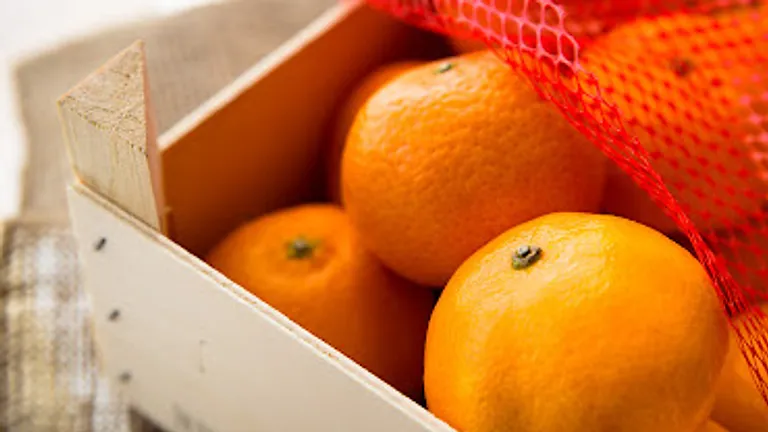
A looming 31% tariff imposed by President Donald Trump on South African citrus threatens to disrupt a $2 billion industry that supports 140,000 farm workers and is a key supplier of summer fruit to the US. Growers in Citrusdal, Western Cape, fear the levy will render their produce uncompetitive, undermining years of investment into the American market. While some exporters race to ship fruit before the tariff deadline of August 1, long-term concerns persist. Farmers are now looking to diversify exports to Asia and China, though Europe presents regulatory hurdles. The sector is urging the US to reduce the tariff to 10%.
Read full story: Farm Progress
Date Published: July 7, 2025
South Africa’s Livestock Sector Urges Swift Action on Traceability to Safeguard Exports
South African livestock leaders have warned that failure to implement robust traceability systems could jeopardise access to key export markets. Speaking at the Karoo Winter Wool Festival, representatives from the wool, ostrich and red meat sectors highlighted rising global demands for transparency, animal welfare and food safety. The ostrich industry was praised for its traceability leadership, while the wool sector is turning to digitisation and blockchain. The red meat industry, however, faces hurdles due to informal trading practices. Stakeholders stressed that traceability is no longer optional but essential to retain international market confidence and support long-term sector growth.
Read full story: Farmer’s Weekly
Date Published: July 6, 2025
African News
Professor Calls for Strategic Investment in Nigeria’s Mushroom Industry
Professor Sami Ayodele of the National Open University of Nigeria has urged the federal government to prioritise investment in the country’s underdeveloped mushroom sector. He argues that with Nigeria’s wealth of edible and medicinal mushroom varieties, the industry could contribute up to 25% of the nation’s GDP. Highlighting global demand for mushrooms due to their nutritional value, Ayodele identified key barriers to growth, including poor infrastructure, lack of technical knowledge, and limited public awareness. He advocates for targeted training, accessible finance, and mentorship to unlock the sector’s economic and employment potential, positioning it as a key player in Nigeria’s diversification efforts.
Read full story: Fresh Plaza
Date Published: July 7, 2025
Global News
Ukraine’s Farming Heartland Ravaged by War, Labour Loss, and Landmines
Russia’s war on Ukraine is devastating the country’s agricultural backbone, threatening livelihoods, food security, and rural culture. In frontline regions like Sumy and Kharkiv, farmland is contaminated with mines, and drone strikes damage infrastructure and livestock. Many farmers, conscripted into defence forces, face labour shortages, with smaller farms hit hardest. Ukraine’s agricultural sector—once a growing contributor to GDP—is now weakened, with 25% of arable land under occupation. Small-scale family farmers, or odnoosibnyky, are vital to local food supply but remain largely unsupported. As violence persists, rural depopulation and economic collapse threaten to erase generations of agricultural tradition.
Read full story: The Guardian
Date Published: July 8, 2025
U.S. Dairy Industry Pushes for Fairer Market Access in UK and EU
Senior figures from the U.S. dairy sector visited the UK and EU in late June to advocate for improved trade conditions and increased market access. The delegation, led by the National Milk Producers Federation (NMPF) and the U.S. Dairy Export Council (USDEC), met with European policymakers and trade officials to address the $3 billion U.S.–EU dairy trade imbalance. Citing restrictive tariffs and regulations, the group urged for alignment with World Trade Organization standards. The trip included meetings with UK officials, EU agriculture leaders, and key industry bodies, highlighting the U.S. dairy industry's commitment to equitable and science-based international trade.
Read full story: Farms.com
Date Published: July 7, 2025
Aussie Apple and Pear Growers Diversify Amid Falling Fruit Demand
Apple and pear producers in Australia are facing mounting pressures, with most making no profit over the past four years due to rising costs and declining domestic consumption. According to Apple and Pear Australia Limited (APAL), the industry is at a turning point, with many growers consolidating orchards or switching to alternative crops. Newcomers like Shepparton’s Amarinder Bajwa are embracing diversification, growing broccolini and planting newer fruit varieties to ensure sustainability. APAL is launching a five-year plan to revive local fruit consumption and support struggling growers amid tough climatic conditions and limited profitability.
Read full story: ABC Rural
Date Published: July 8, 2025
Indian Farmers Warn Global Seed Treaty Could Undermine Biodiversity and Farmers’ Rights
Farmers’ groups and environmental advocates in India are raising concerns over ongoing UN negotiations in Peru that could allow global corporations access to Indian seed varieties with limited benefit-sharing or oversight. Talks under the Plant Treaty propose a new “dual-access” model that critics say would favour corporations while weakening safeguards for traditional farming communities. Key issues include the use of genetic data without compensation and the expansion of the treaty to cover all plant genetic resources, potentially bypassing India’s biodiversity and seed sovereignty laws. Groups urge the Indian government to reject proposals that marginalise farmers and ignore local input.
Read full story: Down to Earth
Date Published: July 7, 2025










