

South African News
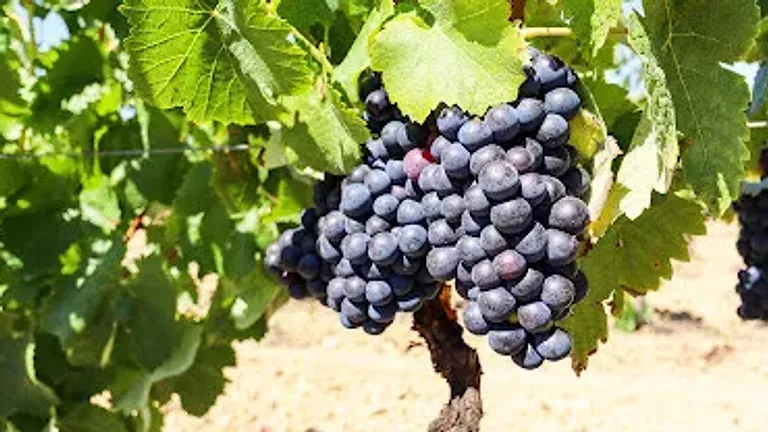
Adaptation Crucial as South Africa’s Wine Industry Faces Lowest Harvest in Two Decades
Global wine consumption has slumped to its lowest level since 1961, while South Africa recorded its smallest harvest in over 20 years, according to the Bureau for Food and Agricultural Policy’s (BFAP) Baseline 2025 report. Production dropped 5.4% in 2024, driven by climate shocks and a shrinking vineyard area, continuing a 17-year decline. Despite weaker volumes, bulk wine exports are gaining ground, with opportunities in higher-value packaging at destination markets. While overall exports are expected to fall by 1.5% annually until 2034, demand for premium and ultra-premium wines is projected to grow sharply, offering a path forward if industry innovation and supportive policies are prioritised.
Read full story: Farmer’s Weekly
Date Published: August 23, 2025
Clarkson’s Farming Blunders Offer Serious Lessons for South Africa’s Farmers
Jeremy Clarkson’s hit series Clarkson’s Farm may deliver laughs, but its farming mishaps are striking a chord in South Africa. According to Omnia Agriculture’s Kobus van Zyl, Clarkson’s impulsive decisions—such as spraying herbicides in windy weather or planting crops without soil analysis—underscore why agriculture must be driven by science and planning rather than guesswork. From soil health to sustainability, the show highlights real-world challenges farmers face, particularly in South Africa’s harsh climate. Van Zyl stresses that data-driven decisions, expert advice, and long-term strategies are essential to improving yields, protecting resources, and building resilience against climate risks.
Read full story: Food For Mzansi
Date Published: August 24, 2025
African News
Uganda Faces Food Security Threat as Study Identifies Over 9,000 New Pest Species
A new study by the Centre for Agriculture and Bioscience International (CABI) has revealed that Uganda is at risk from 9,537 pest species never previously recorded in the country, with 1,517 classified as invasive. Researchers warn these species could silently spread, devastate crops, and damage exports before authorities can respond. Agriculture, which contributes over 20% to Uganda’s GDP, is particularly vulnerable, with coffee, bananas, and horticultural products at risk of trade restrictions. The report highlights inadequate pest surveillance, weak coordination, and the exacerbating effects of climate change. Urgent investment in early detection, laboratory capacity, and regional cooperation is recommended.
Read full story: Eastleigh Voice
Date Published: August 25, 2025
Global News
European Farmers Struggle to Adapt as Climate Crisis Reshapes Agriculture
Farmers across southern Europe are being forced to rethink traditional practices as the climate crisis intensifies, with wildfires, droughts and floods devastating crops and raising food prices. Vineyards in Greece, citrus groves in Spain and olive farms across the Mediterranean are investing heavily in irrigation, new crop varieties and land at higher altitudes to survive. However, the costs are pushing many small producers to the brink, with some abandoning farming altogether. Analysts warn that agricultural output per hectare in Europe is unlikely to increase in the next five years, while food prices are expected to keep rising in line with inflation.
Read full story: The Guardian
Date Published: August 25, 2025
Tinubu’s Brazil Visit Targets Stronger Agricultural and Agribusiness Ties
President Bola Tinubu has arrived in Brasília for a two-day state visit aimed at strengthening Nigeria-Brazil relations, with agriculture and agribusiness high on the agenda. Meetings with President Luiz Inácio Lula da Silva and senior officials are expected to explore partnerships in crop production, livestock development, and wider agribusiness cooperation. The visit will also address food security, trade opportunities, and joint strategies to modernise farming systems. Nigerian ministers of livestock development, trade, and finance are participating in breakout sessions to secure investments and knowledge exchange, underscoring agriculture’s central role in Nigeria’s economic diversification strategy.
Read full story: Premium Times
Date Published: August 25, 2025
Malaysia Strengthens Poultry Standards to Boost Exports and Sustainability
Malaysia is enhancing its poultry safety and sustainability standards to maintain export growth and international credibility. The Ministry of Agriculture and Food Security highlighted that Singapore’s continued poultry imports reflect confidence in Malaysia’s certification systems, which already exceed many regional peers. Frameworks such as myGAP and myOrganic ensure food safety, sustainability, and halal integrity, while upcoming revisions will include carbon credit metrics to support farmer income and environmental goals. With poultry exports worth USD 23 million in 2024, mainly to Singapore, Thailand, Japan, and the UAE, Malaysia aims to align with global best practices and strengthen competitiveness in international markets.
Read full story: aviNews Asia
Date Published: August 25, 2025
India’s Low-Cost Dairy Model Faces Sustainability Challenges
India’s dairy sector, the world’s largest, remains globally competitive due to its low-cost, labour-intensive production model. Farmgate milk prices in India are similar to, or even lower than, those in the US and New Zealand, and far below European levels, making Indian milk attractive in price terms. However, poor yields, reliance on unpaid family labour, and rising rural wage pressures raise concerns over long-term sustainability. Unlike New Zealand’s pasture-based system or the US’s mechanised farms, India lacks abundant land and affordable capital for automation. Experts argue that future competitiveness must come from selective mechanisation, improved breeding, and better fodder cultivation.
Read full story: The Indian Express
Date Published: August 25, 2025










