

South African News
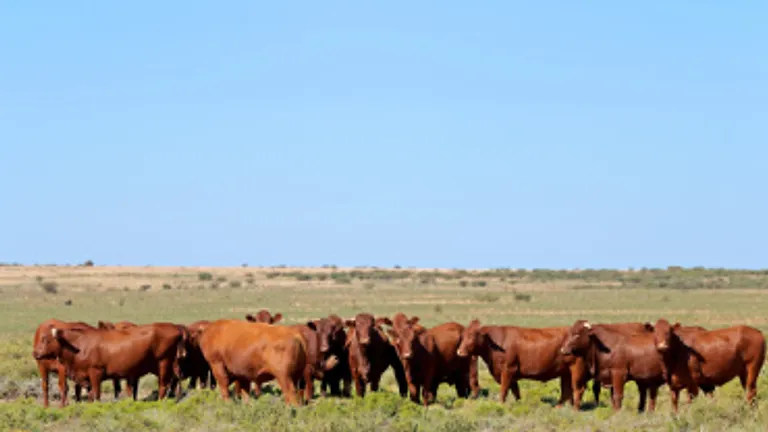
Villagers in South Africa’s Eastern Cape Seek Solutions to Restore Degraded Grasslands
South Africa’s Eastern Cape rangelands, covering over 7 million hectares, are vital for rural communities who depend on them for grazing, farming and daily survival. Yet, decades of overgrazing, soil erosion, climate change and historical land pressures have left much of this land degraded, with more than 60% showing visible damage. Agricultural researcher Mhlangabezi Slayi’s study with 150 villagers revealed both the urgent need and strong local will to restore grasslands. While communities see benefits such as improved forage, soil fertility and biodiversity, they face barriers including limited funding, insecure land tenure and exclusion of women from decision-making.
Read full story: The Conversation Africa
Date Published: September 17, 2025
Mentorship Transforms South Africa’s Wine Industry, Boosting Black-Owned Brands
Mentorship programmes across the Cape Winelands are reshaping South Africa’s wine industry by opening doors for Black-owned brands and young professionals. The sector now includes 107 Black-owned wine brands and 81 Black-owned farms, marking significant progress in just a decade. Success stories include Adama Wines, South Africa’s largest Black-owned wine company; HER Wine Collection, the country’s first all-Black, all-women wine brand; and Visio Vintners, a worker-empowered label. Supported by investments in training, enterprise development and incubators such as The Wine Arc, these initiatives are driving systemic transformation and sustainable growth in the industry.
Read full story: Biz Community
Date Published: September 18, 2025
African News
Ghana’s Women Oyster Farmers Battle Climate Change to Preserve a Tradition
In Ghana’s coastal mangroves, women oyster farmers like Beatrice Nutekpor are fighting to preserve a centuries-old livelihood threatened by climate change, deforestation, and economic pressures. Once supported by eco-friendly training initiatives, these women now sustain the practice on their own, replanting mangroves to restore oyster habitats and protect against coastal erosion. With over 80% of Ghana’s original mangroves lost, oyster yields are declining, forcing farmers to dive deeper for their catch. Despite the back-breaking work and dwindling resources, groups such as the Densu Oyster Pickers Association enforce rules to safeguard mangroves, ensuring the practice can be passed to future generations.
Read full story: The Washington Post
Date Published: September 18, 2025
Global News
Pension Gaps Trap Older Farmers, Blocking Generational Renewal in Ireland
Low pension coverage is forcing many Irish farmers to delay retirement, preventing younger generations from taking over family farms and stalling rural renewal. Research by Teagasc’s Anne Kinsella highlights how gaps in Ireland’s pension system, compounded by irregular incomes and missed PRSI contributions, leave farmers financially vulnerable in old age. Unlike other EU countries with subsidised, farmer-specific schemes, Ireland treats farmers as self-employed, offering limited protection. The study calls for reforms, including mandatory PRSI coverage, transitional supports, and a dedicated pension model to safeguard farmers’ financial security, ease succession, and strengthen rural communities.
Read full story: RTÉ
Date Published: September 17, 2025
Italian Farm Group Criticises Canadian Durum Amid Price Slump
Italian farm organisation Coldiretti has accused Canadian durum exports of driving down local prices, citing a 28% rise in imports during early 2025. The group claims Canadian wheat, treated with glyphosate before harvest, is undermining Italian farmers, who are earning €20 less per tonne than last year despite a smaller crop. Canadian officials and analysts, however, reject the allegations, pointing instead to increased EU production as the key factor. Analysts argue Coldiretti’s claims are misinformation, noting EU residue limits are enforced and Canadian durum remains valued globally for its quality.
Read full story: The Western Producer
Date Published: September 17, 2025
BASAI 2025 to Spotlight Biologicals as Key to Climate-Resilient Farming in India
The Biological Agri Solutions Association of India (BASAI) will host BASAI 2025, a two-day national conference on 22–23 September at the India Habitat Centre, New Delhi, focusing on “Biologicals for Sustainable Agriculture – A Climate Resilient Approach.” With farmers facing climate change and soil degradation, the event will highlight the role of bio-stimulants, biofertilizers, and biopesticides in sustainable farming. Senior government officials, scientists, and industry leaders will participate, alongside women-led agri-biological start-ups. The conference will also feature book launches, exhibitions, and discussions on residue-free food and farmer-centric innovations.
Read full story: Tribune India
Date Published: September 18, 2025
Farmers Urged to Have Their Say on New Zealand’s Updated TB Plan
New Zealand is nearing freedom from bovine TB, with just 15 infected herds remaining compared to 1,500 in the mid-1990s. However, possums continue to pose a reinfection risk. The newly proposed TB Plan, now open for consultation, sets out a stronger focus on possum hot spots to achieve complete eradication in both livestock and wildlife by 2040. Industry groups and the Ministry for Primary Industries back the review, while Beef + Lamb New Zealand has raised concerns about the role of forestry in pest control. Farmers are encouraged to participate in webinars and meetings before consultation closes in October.
Read full story: Beef + Lamb New Zealand
Date Published: September 18, 2025










