

South African News
Orizon Backs South African Farmers in Shift to Regenerative Agriculture
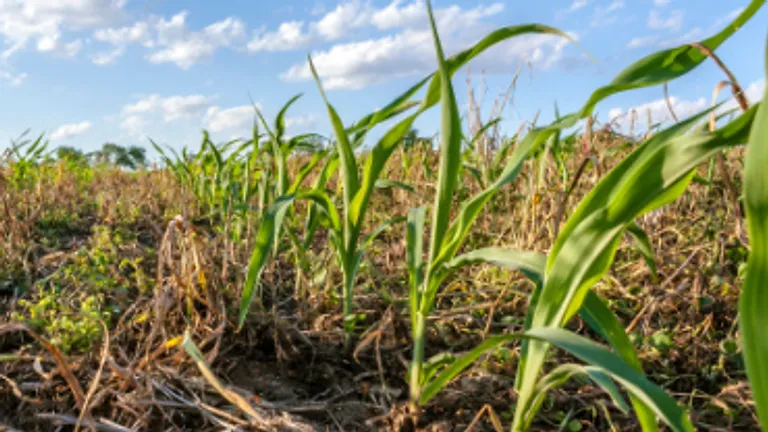
South African agribusiness Orizon is helping farmers adopt regenerative agriculture (RA), an approach centred on rebuilding soil health and reducing dependence on external inputs. RA treats soil as a living ecosystem, promoting microbial activity, biodiversity, and resilience through principles such as minimised disturbance, cover cropping, species diversity, and livestock integration. To offset transition costs, Orizon supports farmers in accessing carbon markets, returning up to 75% of revenue from verified credits. Early results show stronger drought tolerance, improved soil structure, and enhanced profitability, with RA seen as a long-term strategy rather than a quick fix.
Read full story: Farmer’s Weekly
Date Published: September 26, 2025
APAC Urges Transparency to Strengthen Agricultural Marketing
At the 12th Agri 5 Expo in East London, the Agricultural Produce Agents Council (APAC) underscored the importance of fair and transparent agricultural marketing. Operations manager Khodani Madula explained that APAC regulates fresh produce, export, and livestock agents to safeguard farmers’ interests, as these agents handle farmers’ money. She stressed that South Africa’s 16 fresh produce markets already provide opportunities for all farmers, but emerging producers must be well-prepared to compete effectively. Platforms like the expo, she noted, are vital in equipping smallholder farmers with the knowledge and tools to access and benefit from existing markets.
Read full story: Farmer’s Weekly
Date Published: September 25, 2025
African News
Australian Scientist Wins Peace Prize for Pioneering Regenerative Farming in Niger
Victorian agronomist Tony Rinaudo has been awarded the 2025 Luxembourg Peace Prize for Outstanding Environmental Peace for his development of farmer-managed natural regeneration (FMNR). The technique, which restores trees from existing root systems, has transformed over 5 million hectares of degraded land in Niger, boosting grain yields by 500,000 tonnes annually and feeding millions. Rinaudo’s approach has since spread to more than 40 countries, adding resilience and food security while reducing conflict linked to scarce resources. His work, rooted in restoring landscapes through natural systems, highlights the power of sustainable farming to foster both prosperity and peace.
Read full story: ABC News
Date Published: September 26, 2025
Global News
Study Shows Rising Food Security Concerns Among Swedes
A new survey by Novus for Swedish agricultural cooperative Lantmännen reveals that two-thirds of Swedes (66%) are now worried about food shortages during crises or war, up from 59% in 2024. The concern stems from Sweden producing only half of the food it consumes, a self-sufficiency rate many view as inadequate. Lantmännen argues that boosting domestic production and storing key inputs are essential, with Swedish farmers ready to expand output if supported by policymakers and consumers. The study also found growing public interest in how consumer choices can strengthen national food preparedness.
Read full story: ESM Magazine
Date Published: September 26, 2025
China Turns to Argentina for Soybeans, Leaving U.S. Farmers Empty-Handed
China has sharply increased soybean purchases from Argentina after the South American nation temporarily suspended export taxes, sidelining U.S. farmers who usually dominate sales at this time of year. Importers in China booked at least 35 cargoes, equivalent to over 2.27 million tonnes, with shipments set mainly for November. This marks the first time since records began in 1999 that China has not booked any U.S. soybeans at the start of its marketing season. The American Soybean Association urged President Donald Trump to strike an urgent deal with China as farmers face mounting economic pressure.
Read full story: Farm Progress
Date Published: September 25, 2025
Malaysia Loses Up to Half of Fresh Produce Post-Harvest, Report Warns
Malaysia faces severe food losses, with 20% to 50% of fruits and vegetables wasted before reaching consumers, according to the Draft National Food Security Blueprint (NFSB) 2030. The report cites poor handling, inadequate cold chain infrastructure, weak transport systems, and outdated wet market facilities as major contributors. Only 14% of stakeholders use cold storage due to high costs and limited access. Idle farmland, water management challenges, and climate change further threaten production, while smallholders struggle to adopt modern technologies. The NFSB calls for stronger policies to reduce waste, boost local production, and ensure affordable, nutrient-rich food.
Read full story: Fresh Plaza
Date Published: September 25, 2025
Timor-Leste Turns to Malaysia for Poultry and Egg Supply to Boost Food Security
Timor-Leste is strengthening trade links with Malaysia to secure poultry and egg supplies, as rising demand for affordable protein reshapes its food import strategy. Previously reliant on Brazil, the country now benefits from Malaysia’s geographic proximity and new direct air connectivity between Kuala Lumpur and Dili. According to Sidonio Trindade de Costa Freitas of Timor-Leste’s Chamber of Commerce, growing interest from Malaysian businesses highlights opportunities for closer cooperation. Malaysia’s established poultry industry, strong veterinary systems, and halal certification make it a reliable partner. The move also aligns with Timor-Leste’s bid for ASEAN membership and regional supply chain integration.
Read full story: aviNews Asia
Date Published: September 26, 2025










