

South African News
Misuse of Medicines Costing Smallholder Farmers Livestock and Income
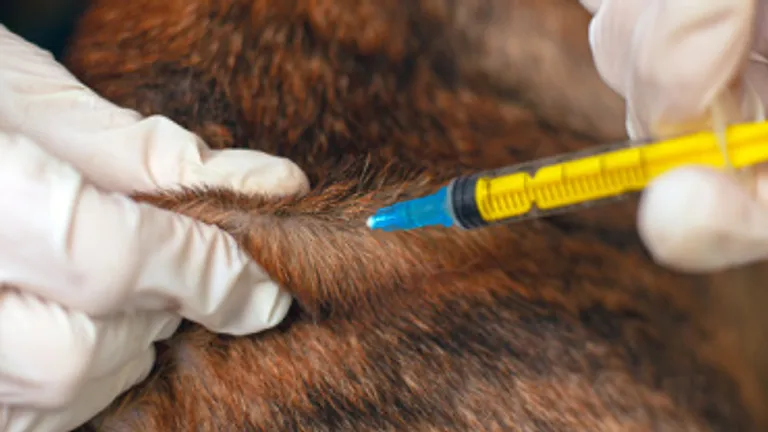
Smallholder livestock farmers in South Africa are losing significant income due to high mortality rates among calves and lambs before weaning, largely caused by poor management and misuse of medicines. Speaking at the African Farming Financial and Related Production Matters Workshop in Bergville, Afrivet’s Bongani Duma highlighted common errors such as underdosing, using unsafe home remedies, and confusing vaccination with treatment. He stressed that vaccines are preventive and must be administered ahead of disease outbreaks. Duma urged farmers to follow correct dosing, rotate treatments, and vaccinate seasonally to safeguard animal health and profitability.
Read full story: African Farming
Date Published: October 3, 2025
No Evidence of Pesticide Resistance in Tomato Leaf Miner, Say Experts
South African tomato farmers face growing challenges from the destructive tomato leaf miner (Tuta absoluta), which can cause up to 100% crop losses. Despite concerns over pesticide failures, CropLife SA confirmed there is no proven resistance to registered active ingredients. According to stewardship specialist Hamish Ramanand, ineffective results are often due to incorrect applications, dosages, or overuse of the same products. He warned of sensitivity shifts and stressed the importance of integrated pest management (IPM), including rotating chemicals, crop rotation, destroying infected material, and using biological controls. Farmers were urged to adopt proactive strategies to protect yields and sustainability.
Read full story: Farmer’s Weekly
Date Published: October 3, 2025
African News
Nigerian Scientist Leads Global Drive for Soil Conservation and Precision Farming
US-based Nigerian researcher Dr Ayodeji Idowu is at the forefront of advancing sustainable agriculture through soil conservation and precision farming. With extensive expertise in soil health and nutrient management, the Clemson University scientist is pioneering strategies that boost crop yields while safeguarding the environment. His work explores soil microbiomes, organic matter restoration, and data-driven fertilisation models that cut waste and enhance efficiency. Supported by USDA funding, Idowu integrates AI, GIS remote sensing, and regenerative practices to develop globally relevant solutions. He emphasises bridging science and practice to reduce reliance on chemicals and ensure long-term agricultural resilience.
Read full story: Punch
Date Published: October 3, 2025
Global News
Mustapha’s Reappointment Marks Five Years of Agricultural Transformation in Guyana
Guyana’s agriculture sector has experienced significant growth over the past five years under Minister Zulfikar Mustapha, whose reappointment by President Irfaan Ali signals continuity and progress. Achievements include record rice production, the launch of Guyana’s first crop insurance scheme for over 6,000 farmers, genetic improvements in livestock, and expansion of aquaculture with cage culture and GPS-monitored fisheries. Diversification into corn, soya, coconuts, spices, and high-value crops has strengthened resilience, while investments in drainage, irrigation, agro-processing, and climate-smart farming have boosted competitiveness. Mustapha’s leadership has also prioritised youth, women, and food security, positioning Guyana as a Caribbean agricultural leader.
Read full story: Guyana Chronicle
Date Published: October 2, 2025
SwarmFarm Robotics Raises AUD 30M to Expand Autonomous Farming Systems
Queensland-based SwarmFarm Robotics has secured AUD 30 million in Series B funding to scale its autonomous farming technology, led by Belgian agritech investor Edaphon and supported by CEFC, QIC, Emmertech, Tenacious Ventures, and Artesian. Founded in 2015, the company’s “SwarmBots” use integrated autonomy to reduce herbicide use by up to 95% and fuel emissions by 35%, with over 220,000 operating hours logged across two million hectares. The funding will accelerate North American expansion, production scaling, and growth of its open partner ecosystem. SwarmFarm aims to empower farmers with flexible, sustainable, and farmer-first automation solutions.
Read full story: iGrow News
Date Published: October 2, 2025
UK Trials Rice Varieties on Rewetted Peat in Cambridgeshire Fens
Scientists from the UK Centre for Ecology & Hydrology (UKCEH) are partnering with farmers in the Cambridgeshire Fens to trial nine varieties of rice and other crops on rewetted peat soils. The initiative aims to balance food production with environmental protection by reducing greenhouse gas emissions from degraded peatlands. Varieties include arborio, basmati, and sushi rice, alongside traditional crops, bioenergy options, and biodiversity habitats. Researchers will monitor yields, water use, carbon storage, and impacts on nature to assess long-term viability. Funded through the AgZero+ project, the trials could inform future farming practices in response to climate change.
Read full story: Food and Drink Technology
Date Published: October 2, 2025
Bay Leaf Cultivation Boosts Farmers’ Incomes in Bangladeshi Villages
Farmers in Rangpur’s Kawnia upazila are increasingly turning to bay leaf cultivation as a profitable alternative to rice and jute. Once grown only for household use, bay leaves are now produced commercially across Bangladeshi villages with exports reaching over 20 countries including Saudi Arabia, the UAE, Malaysia and Singapore. Farmers report higher earnings with lower input costs, while traders purchase hundreds of sacks weekly for national and international markets. With over 60 hectares under cultivation, local agricultural officers highlight bay leaf’s long lifespan and suitability to the region’s climate as key factors in its success.
Read full story: Bangladesh Sangbad Sangstha (BSS) News
Date Published: October 3, 2025










