

South African News
Zimbabwe lifts South African maize import ban but sets phased local-sourcing rules
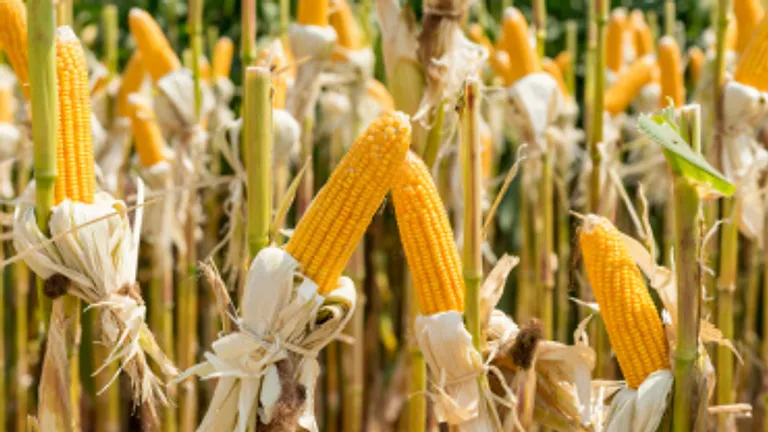
Zimbabwe has scrapped its maize import ban from South Africa amid emerging shortages, casting doubt on official claims of a bumper domestic harvest. New regulations require food processors to source at least 40% of grain and oilseeds locally from April 2026, rising to 100% by April 2028. Officials insist farmers remain protected, but millers had already raised alarms over dwindling stocks. South Africa welcomed the move as a return to market-friendly policy, noting benefits for price stability and regional trade. Economists argue Zimbabwe’s harvest was likely far below government estimates, making imports necessary to temper food inflation.
Read full story: Farmer’s Weekly
Date published: October 27, 2025
From hive to jar: the physics, craft and care behind raw honey at Honey-Dawn
Raw honey is not “processed” in the industrial sense: it is spun cold from capped combs, sieved and left to settle, then jarred — with no heat, pasteurisation or additives. Charles and Dawn Friderichs, who mark 50 years at Honey-Dawn Bee Farm near Port Alfred, run around 1 000 hives and extract up to 10 t a season. Wax is recovered and recycled into new foundation strips so bees can focus on nectar rather than rebuilding comb. Their “bush honey” and citrus honeys vary naturally by flora. Rising threats include hive theft, irradiated imports and adulterated honey that misleads and endangers consumers.
Read full story: Farmer’s Weekly
Date published: October 26, 2025
African News
Ghana deploys 25,000 bags of fertiliser to stabilise minor-season food production
Ghana’s Ministry of Food and Agriculture has released 25,000 bags of fertiliser to support minor-season crop production nationwide, targeting more than 400 schools under the Feed Ghana Programme. The move aims to shore up output of maize, rice and vegetables amid erratic rainfall, rising costs and input shortages. Fertiliser will be distributed via NAFCO and regional directorates to schools and farmer cooperatives, with officials stressing timely delivery to protect planting windows. The initiative sits within a wider push for food self-sufficiency, climate-smart agriculture and youth participation, with authorities urging local oversight to ensure transparent, effective application.
Read full story: Nature News
Date published: October 26, 2025
Global News
EU passes first soil monitoring law to restore degraded soils by 2050
The European Parliament has approved the EU Soil Monitoring Law — the bloc’s first soil-specific legislation — requiring member states to monitor and assess soil health and to support farmers in improving resilience. While it introduces no new direct obligations for landowners, it obliges governments to provide advice, training and innovation support and to transpose the law within 24–36 months. The move is framed as essential for food security, climate mitigation and carbon storage, with 60–70% of EU soils now considered unhealthy. Campaign group Save Soil welcomed the law, but warned that finance and binding global soil targets remain lacking ahead of COP30.
Read full story: Farming Online
Date published: October 27, 2025
Brazil boosts soybean output as China halts US imports amid trade tensions
Brazilian farmers are expanding soybean production as China suspends purchases from the United States during the ongoing trade dispute. With Beijing imposing 34% tariffs on US soybeans, Brazilian exports have surged — accounting for over 70% of China’s soybean imports between January and August 2025. The Brazilian Agriculture Ministry expects next season’s harvest to rise 3.6% to nearly 178 million tonnes, driven by Chinese demand. Analysts caution, however, that the boost may be temporary and politically influenced. While Brazilian growers capitalise on the opportunity, US farmers face mounting losses and are seeking alternative markets in Asia and biofuel production.
Read full story: The Independent
Date published: October 27, 2025
India and Malaysia recast palm oil ties as green diplomacy takes centre stage
Palm oil has become both an economic anchor and a diplomatic instrument between India and Malaysia, evolving from a simple trade flow into a platform for technology transfer, food security and climate-aligned cooperation. India — the world’s largest vegetable oil importer — relies heavily on Malaysian crude and refined palm oil, while Malaysia gains stable export revenue and rural employment. Recent shocks to global edible-oil markets have tested but not broken the partnership. The two states are now layering sustainability into the relationship through certification, traceability and research collaboration, aiming to align trade with climate goals and long-term resilience.
Read full story: IMPRI
Date published: October 27, 2025
Punjab launches Rs30bn mechanisation drive as Chinese agri-tech floods provincial farms
Punjab has unveiled a Rs30 billion mechanisation programme that will bring Chinese high-tech machinery to the province’s agricultural heartland. The initiative will deploy combine harvesters, rice transplanters, centre-pivot irrigation systems and high-horsepower tractors supplied by 27 Chinese firms to increase yields, narrow harvest windows and reduce labour reliance. Farmers will be offered interest-free loans of up to PKR 30 million with a six-month grace period and five-year repayment, with the Bank of Punjab covering 80% of machinery costs. Officials say the programme marks a decisive technological leap, promising lower post-harvest losses and more efficient water use across Punjab’s canal-fed plains.
Read full story: Brecorder
Date published: October 27, 2025










