

South African News
EU Pesticide Rules Misaligned with South Africa’s Agricultural Realities
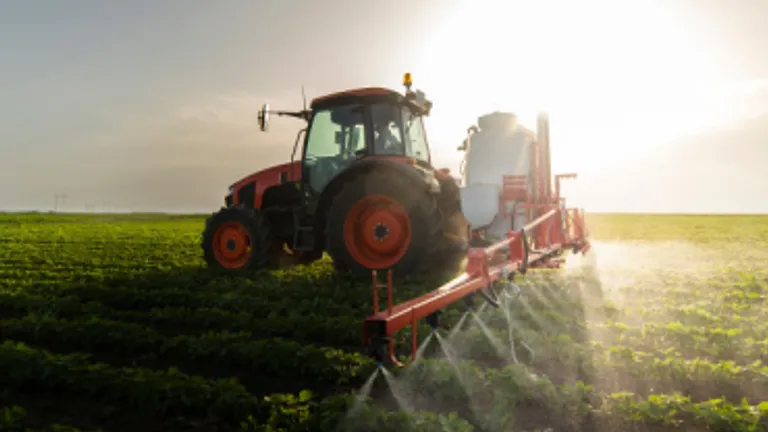
Experts warn that calls to mirror the EU’s pesticide bans in South Africa overlook vast environmental and economic differences. Speaking at the Agbiz Media Day in Stellenbosch, specialists explained that South Africa’s high biodiversity and greater pest exposure make such bans impractical. Unlike Europe, where heavy subsidies cushion farmers against losses, South African growers lack comparable support. Regulatory experts also noted that many EU “bans” are in fact non-renewals due to cost, not safety concerns. Overly strict pesticide restrictions, they cautioned, could cripple local agriculture and exports.
Read full story: Farmers Weekly
Date Published: November 2, 2025
South Africa’s Agriculture Budget Too Small to Drive Transformation, Says Sibiya
Agricultural economist Thabo Sibiya warns that South Africa’s agricultural transformation is being stifled by chronic underfunding, with only 0.29% of the 2025/26 national budget—R7.6 billion—allocated to the sector. He argues that this meagre investment leaves smallholder farmers without essential credit, training, and infrastructure, undermining food security and economic inclusion. Historical comparisons show agriculture once received up to 10% of the budget, and under the Maputo Declaration, South Africa pledged to allocate at least that level. Without a strategic funding shift, Sibiya cautions, meaningful transformation will remain out of reach.
Read full story: Food For Mzansi
Date Published: November 4, 2025
African News
Red Cross Builds Climate Resilience Amid Zimbabwe’s Prolonged Drought
The Zimbabwe Red Cross Society is helping rural communities adapt to increasingly severe droughts, which now strike every two to three years and leave 2.7 million people food insecure. Through the Climate Smart Resilience Project in Binga District, over 4,000 households have been trained in drought-resistant farming and livestock care. A school feeding programme has also provided nutritious meals to more than 5,000 children. As part of the wider Africa Zero Hunger campaign, these initiatives focus on long-term resilience and community-led adaptation to climate change.
Read full story: IFRC
Date Published: 3 November, 2025
Global News
Kazakhstan Faces Shortage of Agricultural Specialists Amid Rural Decline
Kazakhstan’s agricultural industry is struggling with a shortage of around 6,500 specialists, particularly agronomists, veterinarians, engineers, and food technologists, according to LS. Only 28% of agricultural workers hold specialised qualifications, contributing to reduced productivity and resilience. Experts blame low wages, limited career growth, and rural depopulation. Proposed solutions include updating agricultural education, expanding dual training, and improving support for young professionals. The “With a Diploma to the Village” initiative remains key but is losing impact as funding and housing support decline. Strengthened social infrastructure is seen as vital to retain skilled workers.
Read full story: Fresh Plaza
Date Published: November 3, 2025
Invasive Insect Threatens Texas Rice Industry
Texas researchers are battling an outbreak of rice delphacids, invasive insects from Central and South America now threatening the state’s $145 million rice industry. Found in all 19 rice-producing counties, the pests feed on rice plants and spread the damaging rice hoja blanca virus, causing major yield losses. Texas A&M scientists say current insecticides are only partially effective, while USA Rice reports that up to half of the ratoon crop may be lost this year. The EPA has extended temporary approval for an additional pesticide to help curb the infestation.
Read full story: Spectrum News
Date Published: November 3, 2025
Chinese Buyers Shift to Brazilian Soybeans Amid Trade Thaw
Chinese importers are increasing purchases of Brazilian soybeans as prices fall following a tentative U.S.-China trade truce. Traders report that around 20 Brazilian cargoes have been booked for shipment between December and mid-2026, with Brazilian beans now cheaper than U.S. Gulf supplies. The shift comes as markets await Beijing’s formal reduction of tariffs on U.S. agricultural products, agreed after recent talks between Presidents Xi Jinping and Donald Trump. Under the new deal, China will buy at least 12 million tons of U.S. soybeans by year-end and 25 million tons annually for the next three years.
Read full story: Reuters
Date Published: November 3, 2025
Canada Tightens Feed Import Rules from Taiwan Over African Swine Fever Risk
The Canadian Food Inspection Agency (CFIA) has strengthened import controls on plant-based livestock feed ingredients from Taiwan after adding the country to its list of regions without recognised African swine fever (ASF) zoning. This means Canada will treat Taiwan as fully affected in the event of an ASF outbreak, eliminating regional exemptions. Importers must now provide detailed documentation, including origin declarations and facility questionnaires proving heat processing or mitigation measures. The move aligns with Canada’s ongoing efforts to protect its hog sector from the deadly disease, which has previously devastated herds across Asia.
Read full story: Farmtario
Date Published: November 3, 2025










