

South African News
Foreign Competition and Disease Threaten South Africa’s Banana Sector
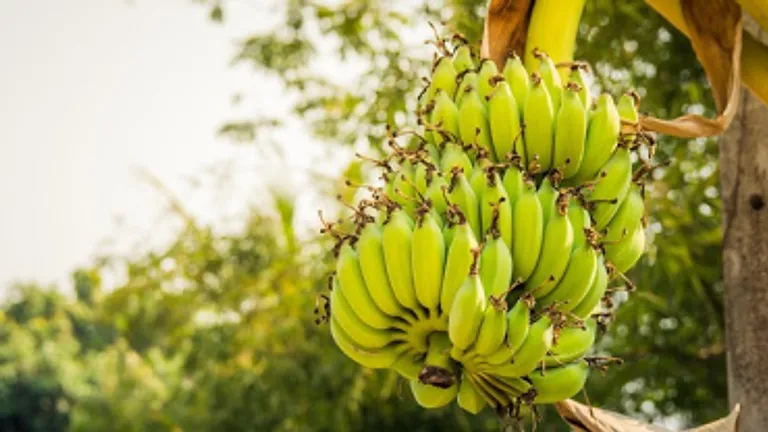
South Africa’s banana industry is under severe pressure from cheaper Mozambican imports and mounting phytosanitary risks. With Mozambican farmworkers earning less than half the South African minimum wage, imported bananas dominate around 60% of the local market, undermining domestic growers already grappling with rising costs and low returns. Farmers fear job losses across an industry that once supported over 100 000 dependants. Unregulated imports also heighten the threat of the destructive TR4 fusarium wilt entering the country. Market dynamics worsen the strain, with alleged buyer collusion depressing prices and seasonal gluts reducing storage capacity, leaving farmers with shrinking margins.
Read full story: Farmer’s Weekly
Date Published: November 25, 2025
Why South Africa’s Food Prices Remain High Despite Easing Inflation
South Africa’s food inflation eased to 3.9% year-on-year in October, helped by falling prices for vegetables, meat, and sugar, yet households — especially low-income families — continue to feel intense pressure. Experts attribute recent years’ price surges to global shocks, volatile exchange rates, high energy and logistics costs, and climate-related disruptions that ripple quickly through the country’s highly integrated supply chains. While regional neighbours experienced varied inflation paths, South Africa’s has now stabilised. With the rand strengthening, raw commodity prices falling, and improved seasonal conditions, analysts expect food inflation to trend lower, supported by the SARB’s recent rate cut.
Read full story: Food For Mzansi
Date Published: November 26, 2025
African News
Kenyan Farmers Suffer Major Losses After Short Rains End Abruptly
Farmers in Murang’a County, Kenya, have been left devastated after short rains, vital to the October–December planting season, vanished just two weeks after sowing. Crops such as maize, beans, tomatoes, and avocado seedlings sprouted well before drying up in the sudden drought. With most farmers unable to afford irrigation, many now face the financial strain of buying new seed with no guarantee of rain returning. The losses threaten household food supplies and could push national food prices higher. Officials are encouraging a shift to drought-tolerant crops, while agricultural officers work to support farmers amid increasingly unpredictable climate patterns.
Read full story: Yahoo News
Date Published: November 25, 2025
Global News
Trump Administration Accused of Undermining US Cattle Industry
US cattle producers are voicing rising anger over falling cattle futures and policy decisions they say are harming ranchers’ livelihoods. Market operator Jim Hertzog criticised President Donald Trump and Agriculture Secretary Brooke Rollins, blaming recent declines in feeder cattle prices on increased beef imports, particularly from Argentina, following tariff reductions. Farmers, including NBFA founder John Boyd, argue that these policies have depressed markets already strained by plant closures at Tyson Foods. While beef prices for consumers remain at record highs, ranchers say domestic competitiveness is being eroded. The administration maintains that demand–supply imbalances, not policy, are driving elevated prices.
Read full story: Newsweek
Date Published: November 25, 2025
Peru’s Mango Boom Drives Prices Sharply Down
Peruvian mango exports surged dramatically in 2025, boosting volumes by 179% and export value by 52% between January and October. However, the rapid increase in supply pushed global prices down by 46%, continuing a downward trend that began in 2024. Despite a brief price rebound early in 2025, values remain far below previous years. The US strengthened its position as Peru’s top market, followed by the Netherlands and Spain, with several other countries also increasing imports. Peru is steadily expanding its processed mango segment, with frozen and value-added products now accounting for nearly half of export value as producers seek stability.
Read full story: Fresh Fruit Portal
Date Published: November 25, 2025
World Bank Funds Digital Education and Climate-Smart Farming to Benefit 6 million Indians
The World Bank has approved two major projects in India aimed at improving education in Punjab and boosting farmer incomes in Maharashtra through digital innovation. The $286 million POISE programme will enhance learning outcomes for more than 3.5 million students by strengthening digital infrastructure in schools, supporting early childhood education, and improving teacher training and school management. In Maharashtra, the $490 million POCRA Phase II initiative will help over 2 million small and marginal farmers adopt precision agriculture, improving soil health, water efficiency, and climate resilience. The project aims to raise smallholder incomes by 30% across 21 districts.
Read full story: World Bank
Date Published: November 26, 2025
EU Growers Warn of Serious Risks in Proposed Revision of EU–Morocco Trade Deal
European fruit and vegetable producers have raised strong objections to the European Commission’s proposed revision of the EU–Morocco Association Agreement and a related delegated act on origin labelling. Producer organisations argue that extending preferential tariffs and allowing origin labels to use regional names would expose EU growers to unfair competition from Western Saharan products grown under weaker social and environmental standards. They warn that the changes could further destabilise EU markets already under pressure from rising imports, erode consumer trust through unclear labelling, and weaken oversight by handing conformity checks to Moroccan authorities. Producers are urging MEPs to reject the proposal.
Read full story: Agriland
Date Published: November 26, 2025










