

South African News
Beer Awards Spotlight How Brewing Fuels South Africa’s Economy and Culture
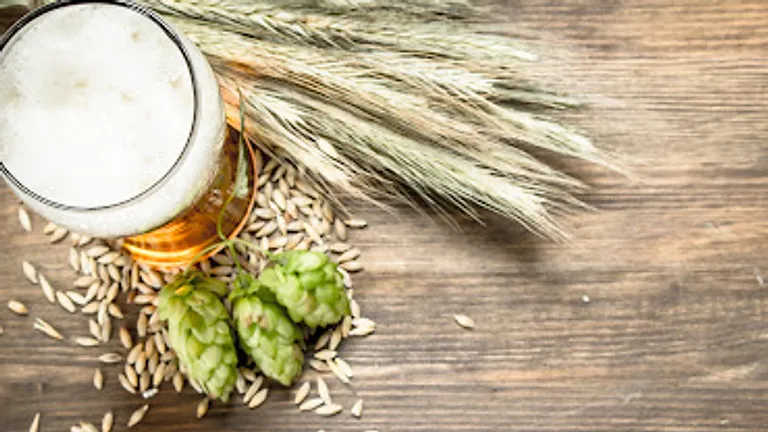
South Africa’s beer sector plays a vital role in the economy, supporting agriculture, transport, logistics, retail, and hospitality while creating jobs and investing in community development. Jean Vincent Ridon, co-founder of the National Beer Trophy, emphasises that many high-quality beers remain overlooked due to market saturation. The awards provide expert feedback, helping brewers refine their products and gain visibility with major buyers. Ridon argues that beer should be recognised as part of national culture, encouraging links between modern brewing and traditional practices such as umqombothi. Strengthening beer culture through food pairings and heritage-focused innovation could further elevate the industry.
Read full story: Food For Mzansi
Date Published: December 8, 2025
Science-Led Trade Policy Key to Safeguarding South Africa’s Protein Supply
South Africa’s vulnerability to protein shortages is growing as veterinary systems struggle under continued foot-and-mouth disease outbreaks and inconsistent application of scientific protocols. A blanket ban on Brazilian poultry—triggered by a single, contained bird-flu case—revealed the risks of abandoning science-based trade tools such as regionalisation. The ban removed more than 100 million low-cost protein meals a week from the food system, driving up processed-meat prices and hurting low-income households. Brazil’s long-established surveillance and rapid-response systems offer lessons as South Africa begins full-herd FMD vaccination. Stronger bilateral cooperation and evidence-driven policies are presented as essential to maintaining stable, affordable protein supplies.
Read full story: African farming
Date Published: December 7, 2025
African News
Destructive Fishing Puts Mkinga’s Seaweed Industry and Blue Economy at Risk
Seaweed farmers in Boma Subutini, Mkinga District, are urging the Tanzanian government to intensify its crackdown on kokoro fishing, warning that the destructive nets are damaging marine ecosystems and destroying seaweed farms. The practice threatens one of Tanzania’s fastest-growing blue-economy sectors, which employs thousands—mainly women and youth—and produces up to 3,000 tonnes of dried seaweed annually in Mkinga alone. Farmers and local leaders argue that current penalties are too weak to deter offenders and call for stronger Beach Management Units to manage conflicts between fishers and growers. Protecting seaweed farming is seen as crucial to both livelihoods and national marine-economic goals.
Read full story: Daily News
Date Published: December 8, 2025
Global News
India’s Quiet Clean-Food Revolution Gains Mainstream Momentum
India’s clean-food movement is accelerating through subtle, everyday choices rather than headline-grabbing trends. Families across cities and rural regions are embracing organic staples, reintroducing ancient grains and prioritising minimally processed, chemical-free foods. Experts note that micro-movements such as farm-to-fork, regenerative farming and origin sourcing are reshaping national eating habits, driven by consumers who increasingly demand transparency and traceability. Strengthened certification systems and maturing supply chains are deepening trust in clean food. This cultural shift reflects a wider desire to reconnect with authenticity, health and heritage, positioning conscious, sustainable eating at the heart of India’s evolving food identity.
Read full story: News18
Date Published: December 8, 2025
Brazil Enters Global Top Ten as Peanut Production Triples in a Decade
A landmark study by the Brazilian Peanut Association (Abex-BR) shows that Brazil’s peanut output has more than tripled over the past ten years, transforming the crop into a multibillion-real powerhouse. Production reached 1.3 million tonnes in the 2024/2025 cycle, placing Brazil among the world’s top ten producers for the first time, and boosting its status as the 5th largest exporter of peanuts and 2nd largest exporter of peanut oil. Exports now account for up to 70% of output, generating R$ 3.9 billion annually. Despite impressive growth, challenges remain, including low domestic consumption, high costs, limited processing infrastructure and competition for land.
Read full story: CPG
Date Published: December 7, 2025
Wales Greenlights Sustainable Farming Scheme Ahead of January Launch
The Welsh Government’s Sustainable Farming Scheme (SFS) has received final approval from Members of the Senedd, clearing the way for its rollout in January after seven years of development. Described as “historic” by deputy first minister Huw Irranca-Davies, the new regulations link future farm funding to environmental outcomes, aiming to strengthen long-term resilience, productivity and climate action. The package forms part of Wales’ ambitious carbon goals, including a 73% emissions reduction target in the fourth carbon budget. Ministers say the SFS will support sustainable food production while creating green jobs and safeguarding rural communities, with many farmers already preparing to join.
Read full story: The Scottish Farmer
Date Published: December 14, 2025
Malaysia Introduces Humanoid Robots to Boost Agricultural Productivity
Malaysian firm Agroz Inc. has partnered with UBTECH Robotics to launch Agroz Robotics, a programme integrating humanoid robots into agricultural operations. The UBTECH Walker S robot is already being used at Agroz’s vertical farming facility to carry out sowing, monitoring, harvesting and crop-optimisation tasks. The company aims to increase farm productivity while reducing dependence on human labour. Agroz plans to roll out modular robotic solutions for vertical farms, smart greenhouses and hybrid facilities across Southeast Asia, aligning with Malaysia’s food-security goals. The initiative forms part of a broader push towards climate-resilient, technology-driven farming systems in the region.
Read full story: Tech Nave
Date Published: December 8, 2025










