

South African News
Hay Day moves site to deliver greater value for farmers
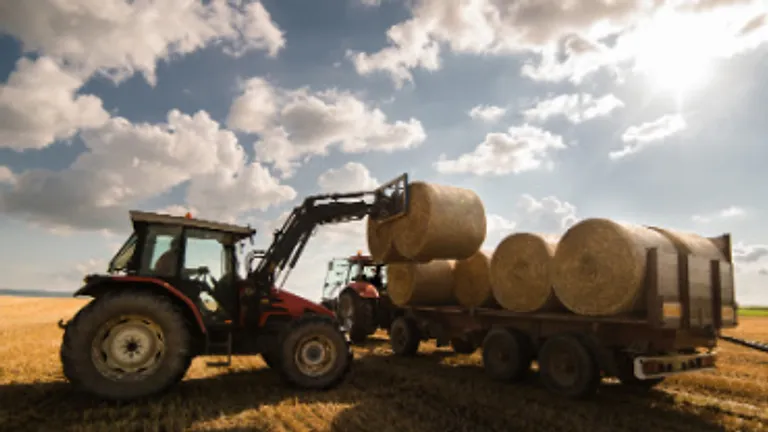
The 2026 Balfour Hay Day will take place on 21 January at a new site 7km outside Balfour along the R23, offering improved access and visibility. Organised by the Balfour Farmers’ Association with AFGRI as main sponsor, the event is expected to attract around 1,500 visitors. Farmers can look forward to machinery demonstrations, expert talks on haymaking and soil health, and insights into new technologies aimed at improving efficiency and fuel savings. With favourable rainfall boosting hay prospects, the day will also focus on storage, silage and baling solutions.
Read full story: African Farming
Date published: January 15, 2026
Above-normal rainfall forecast brings cautious optimism for farmers
South African farmers are entering the latter half of the 2025/26 summer season with renewed confidence as forecasts point to a weak and short-lived La Niña, increasing the likelihood of above-normal rainfall across key summer cropping regions. The South African Weather Service expects improved soil moisture and dam levels, benefiting crops, livestock and horticulture. However, farmers are urged to manage flood risks, protect livestock and maintain drainage. Agbiz and the agriculture department advise careful planning, soil and water conservation, and close monitoring of pests, disease and weather warnings, particularly in flood-prone areas.
Read full story: Food for Mzansi
Date published: January 15, 2026
African News
Fall armyworm outbreak devastates crops in Zambia’s Copperbelt
More than 15,800 farmers in Zambia’s Copperbelt Province are struggling to contain a rapidly spreading fall armyworm outbreak that has damaged an estimated 10,000 hectares of crops during the 2025/26 season. The infestation has affected 175 of the province’s 247 agricultural camps, with maize and other staples at their most vulnerable vegetative stage. Authorities say the invasive pest, known for destroying fields quickly and resisting many pesticides, has become a recurring regional threat. The Ministry of Agriculture is responding by training farmers in integrated pest management and distributing pesticides across affected districts.
Read full story: APA News
Date published: January 15, 2026
Global News
Small farmers face an uncertain future in India’s food system
India’s small farmers remain vital to national food security, yet mounting economic, social and climatic pressures are pushing many out of agriculture. Over the past 25 years, rural distress has deepened through indebtedness, failed promises of higher yields, falling farm incomes and widening inequality. Agriculture employs nearly half the workforce but contributes less than a fifth of GDP, leaving farmers highly vulnerable to market shocks and debt. Climate change has intensified the crisis, with repeated extreme weather damaging crops and livelihoods. Despite policy assurances, everyday realities suggest small farmers are being left behind, raising serious questions about the sustainability of India’s future food system.
Read full story: The Telegraph Online
Date published: January 15, 2026
Asia Pacific leads global surge in crop protection innovation
Asia Pacific emerged as a major hub of crop protection innovation in 2025, driven by intense pest, weed and disease pressures and the region’s agronomic importance. According to AgbioInvestor, a wide range of new insecticides, herbicides, fungicides and seed treatments were launched, with rice the primary focus. India stood out as a centre for innovation, hosting several global and regional firsts, while Southeast Asia, Japan and Australia also saw significant activity. Developments extended beyond rice to cereals, maize and high-value crops, reflecting growing resistance challenges and strong collaboration between multinational and regional companies.
Read full story: AgriBusiness Global
Date published: January 14, 2026
Vietnam’s poultry industry shows resilience amid livestock pressures
Vietnam’s poultry sector delivered steady growth in 2025 despite wider livestock challenges from disease outbreaks and rising input costs. Strong consumer demand and the rapid uptake of biosecure farming systems supported expansion in the national poultry population. Many provinces shifted towards more concentrated and semi-industrial production, backed by closed-chain models linking breeding, feed, processing and markets. Enterprises and cooperatives played a key role by providing contracts, inputs and technical support, boosting farmer confidence. Although sporadic avian influenza outbreaks persisted, authorities emphasised vaccination, tighter biosecurity and improved surveillance to sustain growth and protect food safety.
Read full story: aviNews Asia
Date published: January 15, 2026
Bushfires kill thousands of livestock as Victorians return home
Communities across Victoria are beginning to return home as firefighters continue battling multiple bushfires that have devastated large areas of the state. Farmers have confirmed the loss of at least 20,000 head of livestock, with numbers expected to rise as assessments continue. Around 260 homes and 900 other structures have been destroyed or damaged, and more than 1,000 farms affected. Emergency fodder support is being rolled out to help surviving animals. State and federal governments have committed more than $100 million in recovery funding, including a $50 million package aimed at supporting fire-affected farmers.
Read full story: ABC News
Date published: January 14, 2026










