

South African News
Sugar tax and imports threaten South Africa’s sugar growers
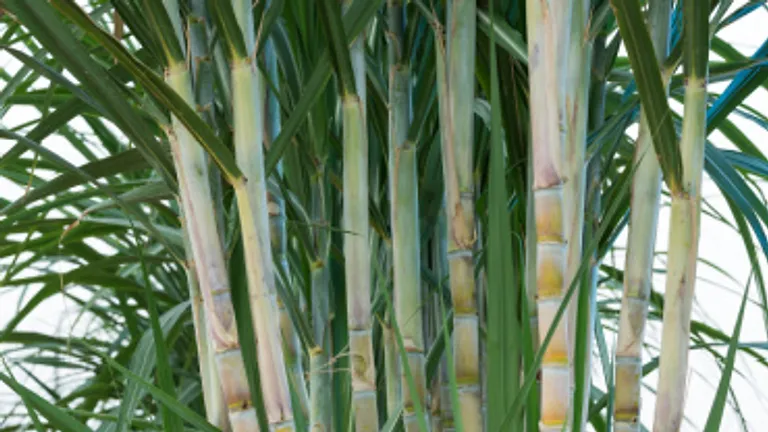
SA Canegrowers has urged the government to scrap the sugar tax, warning that a surge in cheap, subsidised sugar imports is undermining the local industry and threatening more than a million livelihoods. The organisation says growers are already under severe strain from rising costs and volatile global markets, with imports displacing locally produced sugar despite domestic capacity meeting demand. Data shows imports rose sharply in 2025 compared with previous years. SA Canegrowers argues the sugar tax suppresses local demand while imported sugar benefits only short-term profiteers, putting rural economies, food security and a strategic agricultural sector at risk.
Read full story: Food For Mzansi
Date published: January 14, 2026
Farmers call for municipal reform as elections loom
Farmers and agricultural experts are urging government to fix failing municipalities ahead of local elections, warning that poor service delivery is undermining agriculture nationwide. They cite deteriorating road infrastructure, weak partnerships with farmers and poor enforcement of bylaws as major obstacles to market access, biosecurity and economic resilience. Experts say promises to reform local government have gone unfulfilled for decades, leaving farmers to repair roads themselves. Livestock producers highlight unmanaged commonage and disease risks such as foot-and-mouth disease, while crop farmers criticise the lack of practical support, youth development and investment. Stakeholders are calling for implementation, not rhetoric.
Read full story: Food For Mzansi
Date published: January 16, 2026
African News
AI farming tools offer hope for cleaner agriculture in Tanzania
A new AI-powered mobile app, KilimoAI, is helping Tanzanian farmers diagnose crop diseases early, reducing reliance on costly and harmful pesticides. Developed by computer scientist Dr Neema Mduma, the app allows farmers to photograph crops and receive instant disease assessments, improving yields and incomes for smallholders. The tool has already reached tens of thousands of farmers and could expand significantly by 2030. While similar technologies are transforming agriculture globally, experts warn that success depends on strong research, farmer trust and supportive policy. In Tanzania, KilimoAI’s long-term impact may hinge more on politics and governance than technology alone.
Read full story: The Xylom
Date published: January 16, 2026
Global News
Saudi Arabia partners with CGIAR to strengthen food security
Saudi Arabia has signed its first cooperation agreement with CGIAR, committing $5 million to support agricultural innovation and sustainable food systems. Funded by the Ministry of Environment, Water and Agriculture, the partnership will focus on crop improvement, efficient irrigation, digital farming tools and sustainable water management. CGIAR will provide training for local workers and lead joint research projects using Saudi research facilities. Implementation will be overseen by ICARDA, a leading dryland research centre with decades of experience in the region. The agreement aims to enhance national food security while promoting environmentally sustainable agricultural practices.
Read full story: CGIAR
Date published: January 15, 2026
Colombian project seeks to return power to coffee producers
Project to Decolonize Coffee (PDC) is working to reshape Colombia’s coffee sector by placing control and value back in the hands of farmers. Founded in 2022 by Colombian-born Luis Mojica, the non-profit partners with more than 40 farms in conflict-affected regions, focusing on trust-building, knowledge sharing and fairer trade models. A key part of its work supports farmers transitioning from coca to coffee, offering training, infrastructure and formal employment for pickers. PDC promotes equity, dignity and long-term stability, while advocating for roast-at-origin and prosperity-based pricing to keep value within producing communities.
Read full story: Barista Magazine
Date published: January 15, 2026
EU Commissioner highlights bioeconomy potential during Lantmännen visit
EU Commissioner Jessika Roswall has visited Lantmännen’s biorefinery in Norrköping to discuss the role of the bioeconomy in climate action, industrial transition and Europe’s supply resilience. The facility, the largest of its kind in Northern Europe, showcases how grain and food-industry by-products can be used efficiently to produce ethanol, protein and industrial feedstocks with significant carbon savings. Lantmännen noted that EU-produced ethanol delivers around 80% lower emissions than fossil fuels, yet road transport remains dominated by petrol and diesel. The company called for long-term, technology-neutral policies to support climate goals and resilience.
Read full story: Lantmännen https://www.lantmannen.com/about-lantmannen/newsroom/press-releases2/2026/eu-commissioner-jessika-roswall-visits-lantmannen--bioeconomy-climate-benefits-and-resilience/
Date published: January 15, 2026
Dairy farmers alarmed as surplus milk is poured away
UK dairy farmers have voiced anger and frustration after some processors advised them to dispose of surplus milk amid global oversupply and falling prices. Milk production has risen by 5.4% since 2024, exceeding demand and exposing a lack of UK processing capacity. Farmgate prices have dropped sharply, with major buyers cutting payments to around 35p per litre, down from 46p a year ago. Farmers warn the situation is financially unsustainable and wasteful, risking farm closures. Industry leaders are calling for greater investment in processing plants, while the government says it supports fair and transparent dairy supply chains.
Read full story: BBC News
Date published: January 15, 2026










