

South African News
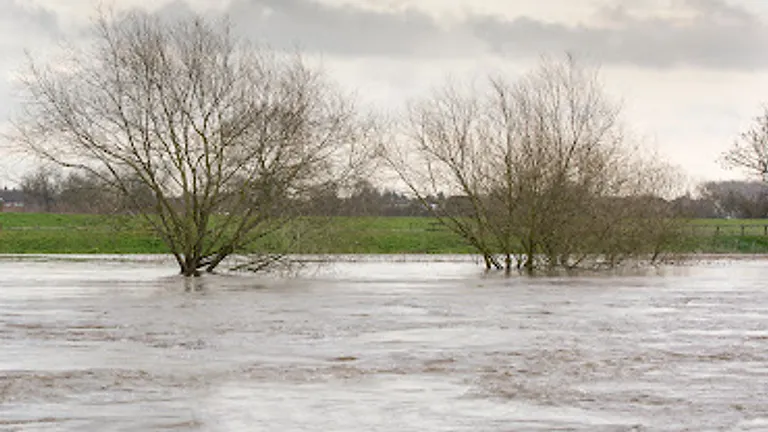
Rescue efforts intensify as severe flooding hits Limpopo and Mpumalanga
Severe and persistent rainfall has caused widespread flooding across Limpopo and Mpumalanga, damaging roads, bridges, farms and other infrastructure, and leaving some communities isolated. Disaster-management authorities, farmers and emergency services are working together to assist affected residents and prevent loss of life. Rainfall in some areas has exceeded 100-year flood levels, with further heavy rain forecast. Agriculture, particularly the citrus sector, has been badly affected as waterlogged orchards and damaged roads disrupt harvesting and transport. Authorities have urged caution as the risk of life-threatening flooding remains high.
Read full story: Farmer’s Weekly
Date published: January 17, 2026
Livestock industry warns foot-and-mouth disease crisis is spiralling out of control
Agricultural leaders have criticised government handling of South Africa’s foot-and-mouth disease outbreak, warning that slow and centralised state action is failing to contain the crisis. Industry groups argue that the proposed vaccine rollout is too gradual and could take up to a decade, prolonging farmer losses and threatening food security. They are calling for greater private-sector involvement in vaccine distribution, testing and oversight. Concerns have also been raised about administrative delays, limited industry representation on task teams, slow laboratory testing and the absence of clear compensation measures, all of which are worsening the impact on producers.
Read full story: Farmer’s Weekly
Date published: January 18, 2026
African News
Kenya plans national feed reserves to shield livestock from recurring droughts
Kenya has announced plans to establish national livestock feed reserves to reduce the impact of recurring droughts on pastoral communities. The reserves will store hay, silage and other fodder during surplus periods and release them early in drought conditions through warning systems. County governments will oversee planning and distribution, while cooperatives will manage delivery to herders. The initiative responds to severe feed shortages, declining rainfall and heavy livestock losses in arid regions. Authorities say the programme will strengthen climate resilience, protect livelihoods and complement longer-term efforts to expand domestic animal feed production.
Read full story: Ecofin Agency
Date published: January 19, 2026
Global News
Trade uncertainty weighs on US agricultural exports ahead of 2026
Uncertainty around tariffs and shifting trade relationships is clouding the outlook for US agricultural trade in 2026. The USDA expects exports to fall to US$173 billion, the lowest level since 2021, driven by reduced soybean and sorghum shipments to China as that market increasingly turns to South American suppliers. Although exports to the EU, Mexico and parts of Asia have grown, they have not offset losses linked to China. Imports are forecast to ease slightly after peaking in 2025, though higher coffee and cocoa prices persist. Ongoing trade volatility is increasing marketing risks for farmers.
Read full story: RFDTV
Date published: January 19, 2026
Digital tools promise gains for farming, but cost, skills and data concerns slow uptake
Digital technologies such as AI, automation, remote sensing and digital twins are increasingly available to farmers, offering improved efficiency, lower costs and better risk management. While adoption is driven by labour shortages and global competitiveness, uptake remains uneven. High upfront costs, uncertain returns on investment, poor rural connectivity and skills shortages are major barriers. Data ownership and trust are also key concerns, with many farmers wary of how farm data is used by technology providers. Despite these challenges, experts agree digital agriculture has significant potential to boost productivity, sustainability and long-term profitability if adoption hurdles are addressed.
Read full story: Country Guide
Date published: January 19, 2026
Indonesia introduces animal welfare rules to accelerate shift towards cage-free eggs
Indonesia has issued new animal welfare regulations that strengthen the legal framework for ethical livestock production and support the expansion of cage-free egg systems. The rules link animal welfare to productivity, food safety and public trust, while aligning with global sustainability and One Health commitments. Authorities will introduce certification guidelines and train regional auditors to oversee implementation. The move is expected to improve market access and competitiveness for Indonesian livestock products, particularly cage-free eggs. Industry groups have welcomed the regulation, citing strong consumer support and growing commitments from major food companies and hotel chains to source cage-free eggs.
Read full story: Gulf Agriculture
Date published: January 19, 2026
Pakistan urged to tap booming global demand for organic food and products
Pakistan could earn billions in foreign exchange by expanding exports of organic food and products, according to organic research institute head Najam Mazari. He said global demand for organic food and cosmetics is growing rapidly, driven by consumer preference for natural and environmentally friendly products. Worldwide organic farming now covers 99 million hectares, while purchases rose by nearly 15% year on year. Although Pakistan’s organic sector remains at an early stage, interest is increasing and one local brand is seeking access to the US market. Mazari said fertile land and favourable climate give Pakistan strong potential if government and private investment align.
Read full story: The Nation
Date published: January 19, 2026










