

South African News
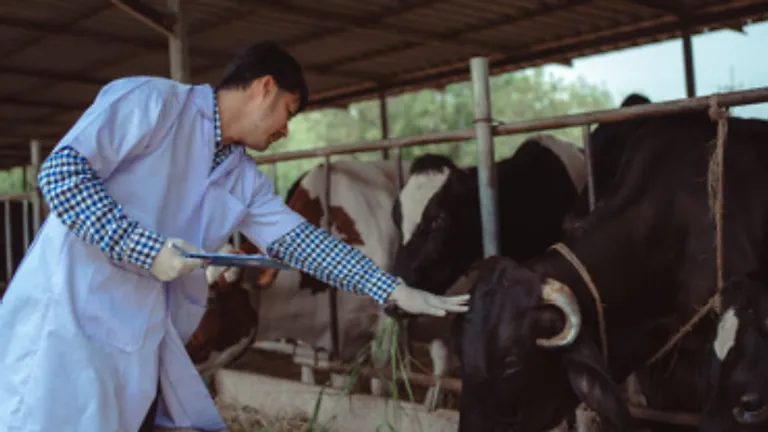
Rural veterinarians under strain as South Africa’s agricultural lifeline weakens
Rural veterinary care in South Africa is under severe pressure, with too few professionals supporting a vast and vital livestock sector. Through the daily work of Western Cape veterinarian Dr Suenette Kotze, the article highlights the long hours, extensive travel, financial uncertainty and emotional toll faced by agricultural vets. Despite their critical role in animal welfare, food safety and biosecurity, rural practices are chronically understaffed, with most veterinarians concentrated in urban pet clinics. The strain is compounded by mental health risks and limited institutional support, raising concerns about the long-term sustainability of veterinary services essential to the country’s food system.
Read full story: Farmer’s Weekly
Date published: January 20, 2026
Agro-processing emerges as a key growth engine amid workforce shift in South Africa
South Africa’s agro-processing sector is gaining prominence as a vital driver of economic growth, food security and rural development. Contributing 2.7% to GDP in 2023 and employing over 460,000 people, it remains the largest manufacturing sub-sector. However, the industry is rapidly evolving, with stricter food-safety standards, increased automation and fluctuating seasonal demand reshaping workforce needs. Employers now require specialised, adaptable workers, often in remote locations. Flexible and contingent staffing models are increasingly essential to balance costs, maintain production continuity and meet regulatory and operational pressures in a fast-paced, highly regulated environment.
Read full story: Knysna Plett Herald
Date published: January 19, 2026
African News
Zimbabwe plans nationwide tractor rollout to modernise village farming
Zimbabwe has announced a large-scale agricultural mechanisation drive under its National Development Strategy 2, aiming to equip all 35,000 villages with tractors. The programme is designed to modernise farming practices, strengthen food security and stimulate rural industrialisation by reducing reliance on manual labour. A key feature is the creation of Village Business Units, which are intended to transform subsistence farming into commercial activity. These hubs will support solar-powered irrigation, horticulture, aquaculture and livestock production. Small, village-appropriate tractors will improve land preparation, while collective production and marketing are expected to create jobs and raise rural incomes.
Read full story: Sputnik News Africa
Date published: January 19, 2026
Global News
Fewer farms, more technology: why “tech-dense” agriculture is on the rise
Farms across North America are increasingly relying on digital tools, automation and data-driven systems to improve efficiency and yields as farm numbers decline. From sensor-guided crop spraying in Canada to software that predicts harvest outcomes in the US and Europe, farmers are adopting technology to cut costs, reduce chemical use and manage climate risks. Surveys suggest strong appetite for innovation, particularly among younger farmers. Agronomists say these advances could stabilise food supplies and even lower consumer prices. While adoption varies by generation, technology is becoming central to farming’s future as a modern, high-value business.
Read full story: BBC News
Date published: January 20, 2026
Farmers warn new laws could threaten livestock drinking water access
Federated Farmers has warned that proposed changes to New Zealand’s resource management laws could undermine farmers’ access to drinking water for livestock. While welcoming higher consent thresholds in the replacement of the Resource Management Act, the organisation says protections for stock water remain too weak. It argues councils are increasingly restricting water takes using limited evidence, risking animal welfare and food production. Federated Farmers is particularly concerned about wording in the Natural Environment Bill, which could allow restrictions based on minimal impacts. The group is calling for clearer legal tests that prioritise essential stock water use over unrealistic expectations of zero environmental impact.
Read full story: Farmer’s Weekly
Date published: January 20, 2026
Climate change exposes gaps in support for China’s small farmers
Unpredictable weather is disrupting traditional farming cycles across China, leaving many farmers struggling to adapt to climate change. While national strategies emphasise resilience through technology, soil protection and improved water management, implementation at local level remains fragmented. Small-scale and ageing farmers often lack clear guidance, resources or incentives to adapt, while larger producers rely on costly infrastructure that can still leave them vulnerable. Agricultural insurance schemes offer limited protection and are unevenly applied. Experts argue that better data collection, clearer rural-focused policies and fairer sharing of climate risk are essential, otherwise farmers will continue to shoulder the burden alone.
Read full story: Dialogue Earth
Date published: January 19, 2026
Agrivoltaics could bridge food and energy needs on India’s scarce land
Agrivoltaics, the combination of solar power generation and agriculture on the same land, offers India a way to meet renewable energy goals without compromising farming. With a theoretical potential of over 3,000 GWp, this dual-use model can boost land productivity, cut water use by reducing evaporation, and diversify farmer incomes through electricity sales and land leases. It creates jobs and improves climate resilience by moderating microclimates under panels. However, high upfront costs, fragmented policy frameworks and limited awareness among smallholders remain barriers. Experts argue a unified roadmap with clear definitions, financial incentives, research and farmer support is essential for scalable deployment.
Read full story: Energetica India
Date published: January 20, 2026










