

South African News
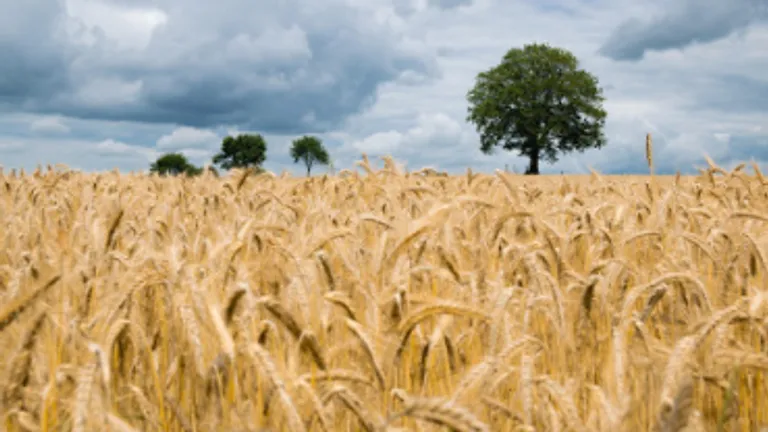
Grain SA says wheat crisis is structural and threatens South Africa’s food security
Grain SA has warned that South Africa’s wheat industry is facing a deep structural crisis, not a temporary downturn, following regional meetings with producers in the Western Cape. Farmers report that wheat production is no longer economically viable due to rising input costs, weak price transmission, delayed import tariffs and competition from subsidised imports. These pressures are already influencing planting decisions and prompting exits from wheat farming. Grain SA is calling for urgent, coordinated policy and value-chain intervention, including responsive tariffs, better control of import timing and fairer cost adjustments, warning that continued inaction poses a serious long-term food security risk.
Read full story: Grain SA
Date published: February 3, 2026
Cape Town pilot highlights promise and limits of hydroponic urban farming
A Cape Town research project suggests hydroponic farming could improve urban food security in water-scarce cities, particularly in low-income areas. The study, based on interviews with trained farmers in Langa, found that hydroponics uses far less water and space than traditional agriculture, allows year-round production, and delivers faster, more reliable yields. However, high start-up costs, ongoing expenses, and unreliable electricity and water supplies limit its wider adoption. Researchers argue that hydroponics must be made more affordable, supported through training, and integrated into urban planning. A hybrid approach combining hydroponics and soil-based farming may offer the most practical solution.
Read full story: All Africa
Date published: February 3, 2026
African News
Namibia Berries plans major blueberry expansion in Kavango East
Namibia’s largest blueberry farming investment is set to expand to 250 hectares as part of efforts to diversify agriculture and boost rural employment. The Namibia Berries project in Divundu, developed by Loxworth Capital with government support, has already attracted about N$400 million in investment, with total spending expected to reach N$1.5 billion over seven years. Currently covering 115 hectares, the farm employs 120 permanent workers and hundreds of seasonal staff. Planned expansion could create up to 1,000 permanent and 5,000 seasonal jobs. Blueberries are already being exported to Europe, Asia and the Middle East, while community initiatives support local development.
Read full story: Fresh Plaza
Date published: February 3, 2026
Global News
Mexico agrees annual minimum water supplies to US to steady agricultural access
Mexico has agreed to deliver a guaranteed minimum of 350,000 acre-feet of water each year to the United States to make supply more predictable for farmers, particularly in southern Texas, under a revised implementation of the 1944 Water Treaty. Previously Mexico’s deliveries were averaged over a five-year cycle, often leaving shortages in early years that hurt crop planting and irrigation. The deal follows months of negotiation and pressure from the US, including threats of tariffs on Mexican imports, and aims to smooth out water flows, repay past deficits and support agricultural planning. Water deliveries will be reviewed regularly to ensure consistency.
Read full story: AP News
Date published: February 4, 2026
China deepens agricultural foothold in South America to secure grain supplies
China is continuing to invest billions in South American agricultural infrastructure to secure long-term grain supplies, particularly soybeans. Through state-owned firms such as COFCO and COSCO Shipping, China has taken stakes in more than 23 ports across Latin America, with major projects in Brazil’s Port of Santos and Peru’s Port of Chancay. These investments aim to cut transport times and logistics costs to Asia, strengthening Brazil’s role as China’s main soybean supplier. Expanded railways, ports and a proposed bi-oceanic corridor could further boost production and exports, increasing competitive pressure on US farmers and reshaping global grain trade routes.
Read full story: Blueberries Consulting
Date published: February 3, 2026
India draws red line on agriculture and dairy in US trade negotiations
India has refused to open its agriculture and dairy sectors in trade talks with the United States, arguing that the livelihoods of more than 700 million people depend on farming and allied activities. The government says lowering tariffs would expose Indian farmers to heavily subsidised imports from developed countries, undermining incomes and food security. While global agribusiness is dominated by a handful of multinational firms, India relies on protective duties and regulations that remain within World Trade Organisation rules. Officials also point to high US farm subsidies and strict non-tariff barriers as justification for maintaining strong safeguards, despite growing bilateral trade.
Read full story: Economic Times India
Date published: February 4, 2026
Fiji looks to Malaysia to modernise and strengthen agriculture sector
Fiji is seeking to deepen agricultural cooperation with Malaysia, focusing on technology transfer and capacity building to boost productivity and long-term growth. Agriculture Minister Tomasi Tunabuna said discussions with Malaysian officials explored areas where Malaysia’s experience could support Fiji, particularly given similarities in climate and crops. Fiji has previously benefited from Malaysia’s cooperative models, funding systems and training programmes, including staff exchanges and university studies. The government now hopes to adopt more technology-driven approaches used in Malaysia to modernise farming, strengthen farmer organisations and build local expertise, reaffirming agriculture as a key pillar of Fiji’s economy.
Read full story: FBC News
Date published: February 4, 2026










