

South African News
World Pulses Day spotlight’s role of pulses in sustainable food systems
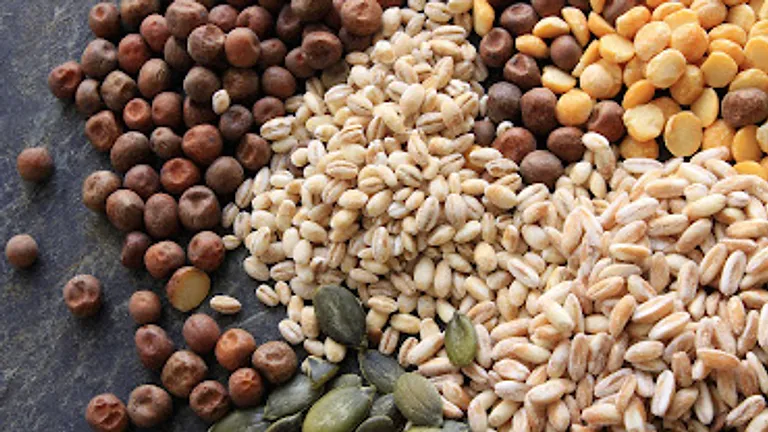
World Pulses Day highlights the growing importance of pulses such as beans, lentils and chickpeas in supporting sustainable agriculture, food security and healthy diets. The FAO emphasises their nutritional value, climate resilience and ability to improve soil health through nitrogen fixation and better soil structure. The annual event aims to challenge misconceptions about pulses while promoting their role in achieving global sustainability goals. In South Africa, the sector is expanding as demand for plant-based protein rises and farmers seek more sustainable crop rotations. Increasing international demand is also creating new export opportunities, reinforcing pulses’ potential as both an economic and environmental asset.
Read full story: Farmer’s Weekly
Date published: February 10, 2026
Agritourism gains momentum as South African farmers diversify income streams
Agritourism is emerging as a growing opportunity within South Africa’s agricultural sector, allowing farmers to diversify income while connecting consumers with farm life. Activities such as farm stays, tours and farm-to-table experiences are attracting travellers seeking authentic, nature-based escapes, a trend strengthened by post-pandemic travel preferences and interest in sustainability and wellness. The sector is forecast to expand steadily, supporting rural development, job creation and stronger public understanding of food production. While the Western Cape remains the hub, other provinces are gaining interest. Despite infrastructure and funding challenges, agritourism is increasingly viewed as a viable strategy to improve farm resilience and long-term sustainability.
Read full story: Pro Agri Media
Date published: February 10, 2026
African News
West Africa proposes $345 million regional plan to tackle livestock theft
West African nations have unveiled a proposed $345 million regional programme aimed at addressing livestock theft, a major threat to security, livelihoods and public health across the subregion. Announced at an FAO-led workshop in Dakar, the plan focuses on improving livestock traceability through digital systems, harmonising legal and security frameworks, and involving pastoral communities in prevention efforts. Livestock theft, estimated to cause more than $467 million in annual losses, is linked to organised crime and extremist financing, while also posing health risks through illegal slaughter networks. Governments believe a coordinated regional approach is essential to curb cross-border theft and protect a vital economic sector.
Read full story: Ecofin Agency
Date published: February 11, 2026
Global News
Brazil’s large-scale fruit farms drive global supply and exports
Brazil hosts some of the world’s largest fruit-growing operations, with major production across citrus, coconut, açaí and jabuticaba supported by mechanisation, digital monitoring and export-focused logistics. The country remains the leading global citrus producer, with large companies managing extensive orchards and international processing and distribution networks. Coconut and açaí production have also expanded significantly, with hybrid varieties and cultivation on rehabilitated land boosting output for global markets. Many farms combine fresh produce with value-added processing, strengthening profitability and market reach. The sector’s growth reflects increasing scale, technological integration and diversification within Brazil’s agricultural economy.
Read full story: Fresh Plaza
Date published: February 10, 2026
Wet growing season brings surge in pests and livestock diseases
Favourable rainfall and strong pasture growth have created ideal conditions for pests and diseases, with farmers reporting increased cases of facial eczema, flystrike, porina and internal parasites. Warm, moist conditions support parasite development and insect lifecycles, raising risks to livestock health and pasture productivity. Beef + Lamb New Zealand advises farmers to adopt monitoring and integrated pest management strategies, including regular spore counts, preventative treatments and careful grazing management. Resources and advisory tools are being promoted to support decision-making, while long-term solutions such as genetic selection in sheep are also highlighted to reduce disease impacts during high-risk seasons.
Read full story: Beef + Lamb New Zealand
Date published: February 10, 2026
Bangkok conference spotlights Asia’s future in starch, fermentation and food innovation
Industry leaders and researchers are gathering in Bangkok for the 14th Asia Starch Value Chain & Fermentation conference, focusing on sustainability, biotechnology and innovation across the food and ingredient sectors. Discussions will explore developments in starch production, fermentation technologies and AI-driven food innovation, alongside challenges such as climate pressures and market volatility. Thailand’s role as a major tapioca starch producer positions it as a key hub for value-added and biobased ingredient development. The programme also highlights clean-label ingredients, circular economy approaches and alternative proteins, with the event aiming to foster collaboration and investment across Asia’s rapidly evolving agri-food and biotechnology industries.
Read full story: The National Law Review
Date published: February 11, 2026
Saudi Arabia explores corporate farming investment opportunities in Pakistan
Saudi Arabia has signalled interest in investing in corporate-scale farming in Pakistan as part of wider efforts to strengthen bilateral trade and food security cooperation. Discussions between officials from both countries focused on long-term partnerships in rice, fodder, meat and other agricultural products, supported by mechanisation, improved storage and export-focused logistics. Investment-led models are seen as a way to boost productivity, revive agricultural output and support downstream industries such as textiles. The talks also covered collaboration in infrastructure financing, skills development and regional market expansion, with both sides aiming to combine Pakistan’s production capacity with Saudi capital and market access to enhance competitiveness and sustainable export growth.
Read full story: Business Recorder
Date published: February 11, 2026










