

South African News
China tariff deal boosts prospects for South African fruit, but wider reforms still needed
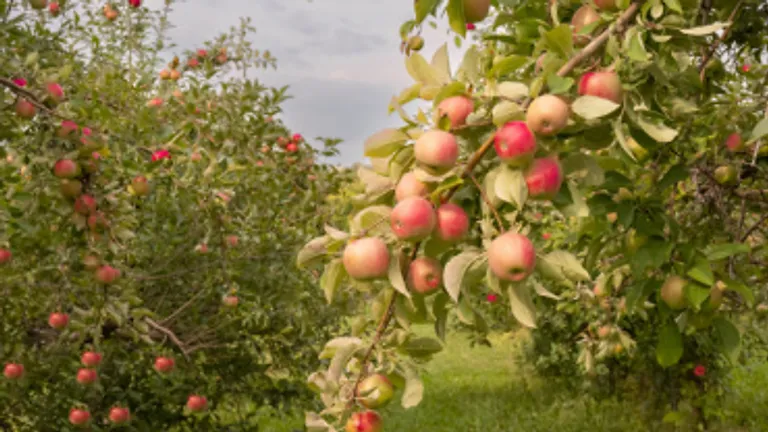
Tru-Cape has welcomed a new trade agreement between Department of Trade, Industry and Competition and China that will eliminate a 10% tariff on South African apples and pears by May 2026, improving competitiveness against rivals such as New Zealand. Managing director Roelf Pienaar said the deal strengthens export opportunities but stressed the need for further tariff reform, citing high duties in India and barriers in the United Kingdom and European Union. The industry also highlighted diversification across Asian markets including Malaysia, Singapore, Indonesia, Thailand, Vietnam, Sri Lanka and Bangladesh, with hopes of expansion into the Philippines and reopening of Taiwan. Industry bodies including Hortgro, Fresh Produce Exporters’ Forum and Agbiz were credited for supporting negotiations.
Read full story: African Farming
Date published: February 23, 2026
Expanded diesel refund offers farmers financial boost but tighter audits loom
South African farmers will be able to reclaim 100% of qualifying diesel use under the Diesel Refund Scheme from April 1, 2026, up from the current 80%, following confirmation by the South African Revenue Service. The change increases refunds significantly, though figures may shift pending the national budget from Enoch Godongwana. Authorities are also simplifying administration by separating claims from VAT through an eFiling platform. However, stricter audits and verification are expected, with uncertainty remaining over eligibility for bakkies and trucks. Experts stress rigorous record-keeping to avoid penalties, while qualifying activities remain limited to core agricultural production and infrastructure maintenance.
Read full story: African Farming
Date published: February 23, 2026
African News
Kenya targets irrigation expansion in arid regions to strengthen food security
The Kenya government has begun mapping new irrigation zones across Arid and Semi-Arid Lands under plans unveiled by Ephantus Kimotho of the State Department of Irrigation. Covering over 80% of national territory, the initiative aims to reduce reliance on unpredictable rainfall by developing aquifers, dams and water-efficient technologies such as drip irrigation and solar pumps. Authorities target more than 500,000 acres of irrigated land, over one million jobs and significant rural economic growth. The strategy is expected to enhance food security, stabilise prices and boost exports, though officials stress environmental safeguards and equitable land access to ensure sustainable implementation.
Read full story: Streamline
Date published: February 23, 2026
Global News
Commentary warns EU deforestation rules may raise costs without cutting forest loss
A commentary by Bjørn Rask Thomsen and Daniel Nepstad argues that the European Union Deforestation Regulation (EUDR) could have limited impact due to high compliance costs across low-margin agri-commodity supply chains. Requirements such as traceability and physical segregation may raise transport and storage expenses by up to 25%, potentially diverting trade away from regulated markets and disadvantaging companies with deforestation commitments. While acknowledging agriculture’s major role in forest loss highlighted by the Food and Agriculture Organization of the United Nations, the authors advocate closer alignment between corporate initiatives and producer-country policies, including jurisdictional REDD+, to deliver more effective and competitive forest-climate strategies.
Read full story: Mongabay
Date published: February 23, 2026
Australian farmer eyes US market as camel milk gains ‘superfood’ appeal
An Australian camel dairy farmer near Brisbane is seeking to export camel milk to the United States, aiming to ship 60,000 litres as part of efforts to build a new niche industry. Paul Martin believes Australia’s large feral camel population and favourable milk properties, including easy freezing and low allergen content, create strong export potential. Market interest is driven by health-focused consumers and migrant communities familiar with camel milk as a staple. While expansion could diversify agriculture and support captive herd development, experts warn commercial use alone cannot control feral camel populations, highlighting ecological and management challenges.
Read full story: The Guardian
Date published: February 21, 2026
Falling pulse production drives import surge and food security concerns in Pakistan
Agricultural experts in Pakistan warn declining pulse yields are undermining food security and forcing annual imports worth about $980 million. Production has dropped to roughly 250,000 tonnes, far below national demand, with climate change, low farmer returns and past export restrictions discouraging cultivation. Concerns were highlighted at a seminar hosted by the Ayub Agricultural Research Institute in Faisalabad. Scientists emphasised pulses’ importance for nutrition and soil fertility and called for improved seed varieties, modern farming practices and policy support. New disease-resistant cultivars and expanded cultivation areas are being promoted to reduce import dependence and strengthen agricultural resilience.
Read full story: The Express Tribune
Date published: February 23, 2026
Indonesia to import US breeding chickens to strengthen poultry genetics
Indonesia has agreed to import 580,000 grandparent stock chickens’ worth about $20 million from the United States under a Reciprocal Trade Agreement aimed at improving poultry genetics and meeting domestic farmer demand. According to Haryo Limanseto, the country lacks facilities to breed such high-grade stock, making imports necessary to support productivity. The deal also opens Indonesian markets to other US livestock and commits to regular imports of mechanically deboned meat for the processed food sector. Authorities insist the measures will not harm local producers, emphasising continued policies to stabilise prices and maintain supply balance.
Read full story: Jakarta Globe
Date published: February 23, 2026










