

South African News
Rising fuel and fertiliser costs threaten South African farmers amid Middle East tensions
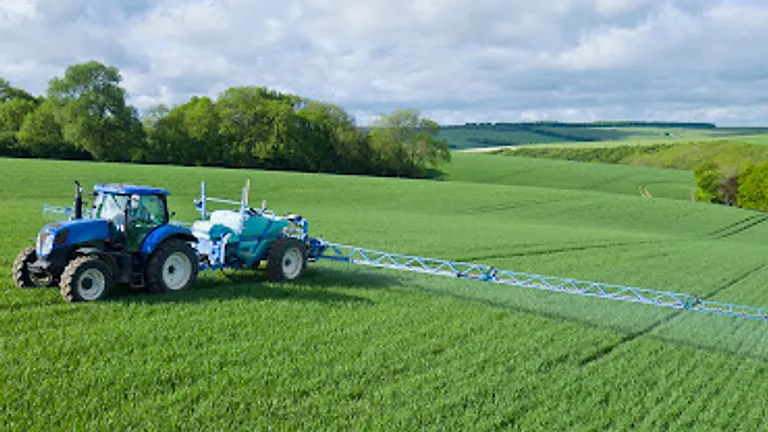
Rising global oil prices linked to escalating tensions in the Middle East could significantly increase diesel and fertiliser costs in South Africa, placing farmers under mounting financial pressure. Higher fuel prices are expected to drive up transport and production expenses across the agricultural supply chain, potentially raising food prices for consumers. Experts warn that South Africa’s heavy reliance on imported fertiliser makes the sector vulnerable to global disruptions, particularly as fertiliser accounts for a large share of farming input costs. While soybean production prospects remain strong, higher diesel and fertiliser costs could reduce farmers’ returns and weaken export competitiveness.
Read full story: Food for Mzansi
Date Published: March 16, 2026
Concerns grow over whether provincial budgets can contain South Africa’s foot-and-mouth outbreak
Concerns are growing that provincial budget allocations may be insufficient to effectively combat South Africa’s ongoing foot-and-mouth disease (FMD) outbreak. Gauteng has earmarked R63.9-million for vaccination and surveillance, while the Western Cape plans to spend nearly R140-million on vaccines and veterinary capacity. Critics argue the funding may fall short as farmers face movement restrictions, rising costs and disrupted markets. The dairy industry has also warned that strict export regulations are harming trade. Although relatively few dairy farms are currently affected, experts caution that the outbreak could significantly reduce milk production and disrupt the agricultural economy if it spreads to major dairy regions.
Read full story: Daily Maverick
Date Published: March 15, 2026
African News
Dispossessed Zimbabwe farmers hire US lobbyists to push for $3.5bn compensation
A group of Zimbabwe’s dispossessed white commercial farmers has hired Washington lobbyists to seek United States support for a long-delayed US$3.5 billion compensation deal with President Emmerson Mnangagwa’s government. The compensation relates to infrastructure and improvements lost during the fast-track land reform programme of the 2000s. Although the government pledged to honour the agreement in 2020, Zimbabwe’s heavy debt burden has delayed payment. A compromise offered farmers a small upfront payment with the remainder in 10-year treasury bonds, but only a minority have accepted. The lobbying effort aims to secure potential debt relief or financing through institutions such as the World Bank, though US law currently restricts such support.
Read full story: APA News
Date Published: March 16, 2026
Global News
Tariffs and trade disputes reshape Mexico’s agricultural sector
Mexico’s agricultural industry is facing growing uncertainty as tariffs and trade disputes with the United States reshape production, exports and investment decisions. Although most trade remains tariff-free under the USMCA, sector-specific duties—such as a 17% tariff on Mexican tomatoes—have disrupted key export markets and pressured farming regions. Producers have also faced rising input costs, volatile prices and tighter access to credit. Additional challenges include a US ban on Mexican cattle imports due to the New World screwworm parasite, which has depressed livestock revenues. In response, Mexico is introducing protective tariffs and seeking to diversify trade with partners such as Canada and the European Union.
Read full story: Mexico News Daily
Date Published: March 15, 2026
Trump administration eases farm visa rules despite migrant deportation crackdown
New emergency rules introduced by the Trump administration aim to make it easier for US farms to hire migrant labour through the H-2A temporary visa programme, even as immigration enforcement and deportation raids intensify. The changes allow farms to employ more foreign workers and reduce wage requirements, a move officials say will help farmers struggling with labour shortages. However, critics argue the policy contradicts the administration’s tough immigration stance and could reduce pay for both migrant and domestic farm workers. Labour unions and advocacy groups have challenged the rules in court, warning they may encourage worker exploitation and place downward pressure on agricultural wages.
Read full story: AOL
Date Published: March 16, 2026
Global demand for matcha drives surge in Japanese tea exports
Rising global demand for matcha is transforming Japan’s traditional tea industry as producers expand exports and develop new products. Matcha, a powdered green tea long associated with Japanese tea ceremonies, has gained popularity worldwide for its flavour and perceived health benefits. Exports of Japanese tea reached record levels in 2024, with matcha and other powdered teas accounting for the majority of shipments, particularly to the United States and Europe. Farmers and tea companies are increasing production and using social media and international partnerships to reach new markets. Efforts are also underway to establish international standards to protect the authenticity and reputation of Japanese-made matcha.
Read full story: Nippon.com
Date Published: March 16, 2026
AI-powered monsoon forecasts help Indian farmers manage rainfall risk
New artificial intelligence forecasting tools are helping millions of Indian farmers better prepare for the timing and reliability of the monsoon, a crucial factor in planting and crop investment decisions. The system combines AI weather models with a statistical approach that updates rainfall probabilities as the season progresses, giving farmers more realistic forecasts of when sustained rain will begin. By providing probabilistic forecasts rather than simple yes-or-no predictions, the system allows farmers with different resources and risk levels to make tailored decisions on planting, seed choice and investment. In 2025, weekly forecasts based on the model were distributed to 38 million farmers across 13 Indian states.
Read full story: DevDiscourse
Date Published: March 16, 2026










