South African News
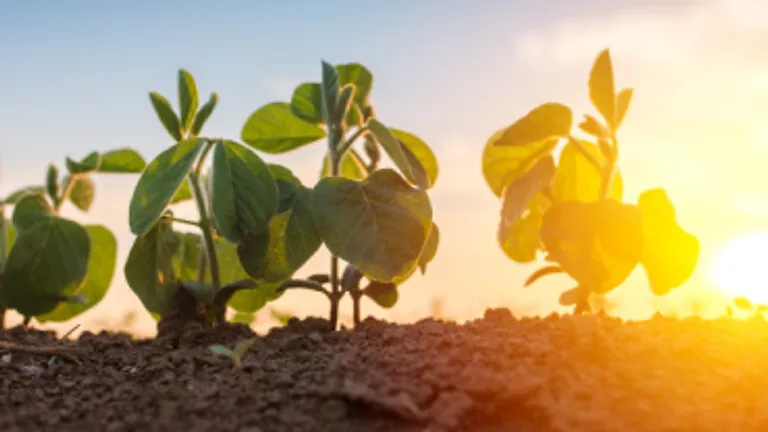
South Africa’s soybean harvest remains near record highs despite weather challenges
South Africa’s 2025–26 soybean crop is expected to be the third-largest on record at 2.66 million tonnes, despite heavy rains affecting yields in some regions. While output is down 5% from last season, strong demand from the animal feed industry, driven by rising poultry consumption, continues to support production. Investment in processing capacity and improved farming methods has boosted long-term growth and reduced reliance on imports. However, uncertainty around global markets, fuel costs and export logistics poses planning challenges for farmers, with calls for greater focus on biodiesel and ethanol production to strengthen domestic demand and resilience.
Read full story: IOL
Date published: March 16, 2026
Eastern Cape farmers gain R1.6m boost to strengthen mohair production.
Subsistence farmers in Qhimirha Village in the Eastern Cape have received infrastructure and machinery worth over R1.6 million to improve wool and mohair quality and support their transition to commercial farming. The investment includes a shearing shed, tractor, and water project benefiting more than 500 households. Improved facilities are expected to enhance fibre quality and market access, while job creation has supported local livelihoods, particularly for women and young people. Government support, alongside rising agricultural activity, is helping farmers expand production, revive unused land, and strengthen the province’s position as a leading global mohair producer.
Read full story: Farmer’s Weekly
Date published: March 17, 2026
African News
Agroforestry offers Tanzanian farmers a path to jobs and income growth
Farmers in Tanzania are increasingly adopting agroforestry to boost incomes and create employment, particularly for young people. By integrating high-value trees such as avocado and cashew into traditional farming systems, smallholders are diversifying their income and reducing risks linked to weather and market volatility. Support from organisations distributing millions of seedlings is helping farmers transition towards more commercial operations, while carbon credit schemes provide an additional revenue stream for maintaining trees. With women forming the majority of participants, the approach is strengthening rural livelihoods, encouraging youth to remain in agriculture, and positioning farming as a sustainable and profitable long-term enterprise.
Read full story: Streamline Official
Date published: March 15, 2026
Global News
Coastal farming innovations raise incomes in Bangladesh and West Bengal
Farmers in the salt-affected coastal regions of Bangladesh and West Bengal are increasing productivity and incomes through new crops and practical farming innovations. Salt-tolerant rice varieties and improved cropping systems now allow some farmers to harvest two crops a year, transforming previously underused land. Additional options such as sunflower, maize and vegetables, alongside simple techniques like growing crops in bags, are boosting resilience and earnings. Training and research partnerships have driven widespread adoption, with strong participation from women. Improved water and soil management has further strengthened climate resilience, helping smallholders adapt to flooding, salinity and changing weather patterns while enhancing long-term food security.
Read full story: Mirage News
Date published: March 17, 2026
Rising feed costs threaten Malaysia’s poultry farmers and food supply
Malaysian poultry farmers are facing mounting pressure from rising feed and fuel costs linked to global market disruptions, raising concerns over higher chicken and egg prices and potential supply constraints. Heavy reliance on imported corn and soybean meal means producers are highly exposed to price volatility, with feed accounting for up to 70% of production costs. Farmers may be forced to cut output or adjust operations if margins tighten, particularly smaller producers. While vertically integrated firms may cushion short-term shocks, prolonged cost increases could reduce supply. Calls have been made for targeted subsidies, improved feed security, and stronger supply chains to protect farmers and maintain food stability.
Read full story: CodeBlue
Date published: March 17, 2026
Farmers warn fuel shortages could disrupt crops and trigger food rationing
Farmers in Victoria are urging Melbourne residents to use public transport to help preserve limited fuel supplies, warning that shortages of petrol and diesel could disrupt planting and harvesting. With agriculture heavily dependent on timely fuel access, even shortfalls could lead to missed growing windows and reduced yields. The Victorian Farmers Federation stressed that conserving fuel is essential to maintaining food production, noting the state produces a significant share of Australia’s food. While the government says supply remains stable, regional farmers report access issues, raising concerns that prolonged shortages could tighten supply chains and potentially lead to food rationing.
Read full story: Sky News Australia
Date published: March 17, 2026
Canada secures access to Mexican market for fresh potatoes
Canadian potato farmers have gained new export opportunities following an agreement allowing fresh potatoes to be shipped to Mexico for both consumption and processing. The deal, reached between Canadian and Mexican agricultural authorities, is expected to strengthen trade ties and expand market access for the sector. Officials will now work with industry stakeholders to facilitate shipments in the coming months. The agreement builds on broader efforts to enhance regulatory cooperation under a bilateral action plan. As one of Canada’s most valuable crops, the move is likely to support farm incomes and boost the competitiveness of the country’s potato industry.
Read full story: Fruit & Vegetable magazine
Date published: March 16, 2026