

South African News
South Africa’s Farming Divide Needs a Geospatial Fix, Not Simple Labels
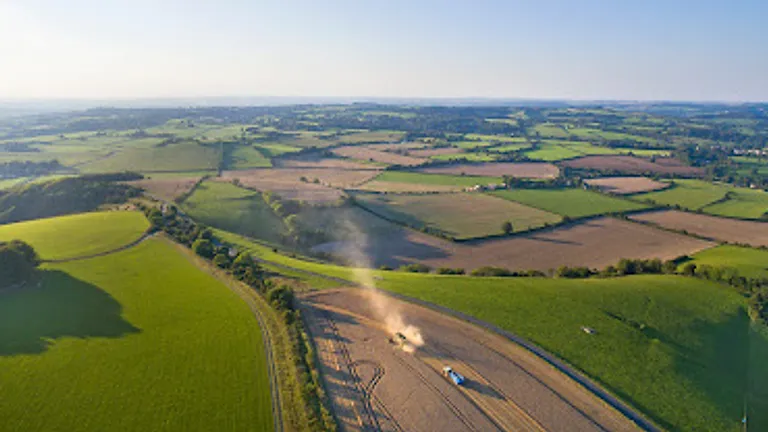
South Africa’s agricultural sector is more complex than a simple divide between commercial and emerging farmers, encompassing multiple farming realities that require tailored support. The article argues that land reform alone is insufficient without integrating geospatial intelligence to guide planning, improve transparency, and connect farmers to infrastructure, markets, and support systems. Many agricultural initiatives fail due to weak coordination, poor governance, and lack of long-term support. Former homeland areas hold significant potential but remain underdeveloped. Sustainable transformation depends on partnerships, secure ownership, and consistent extension services, supported by a national geospatial observatory to ensure accountability and measurable progress.
Read full story: Geo Scope South Africa
Date Published: March 17, 2026
Western Cape Increases Agriculture Budget Amid Disease Threats and Global Uncertainty
The Western Cape has approved a R1.14 billion agriculture budget for 2026/2027, reflecting a significant increase aimed at addressing mounting risks to the sector. Key concerns include the spread of foot-and-mouth disease, climate pressures, declining dam levels, and instability linked to the Middle East conflict. Officials stressed the importance of partnerships with private veterinarians and academic institutions to strengthen disease control. The budget also introduces funding for market expansion, mobile abattoirs, water resilience, and export systems. Despite the increase, capacity constraints and global disruptions continue to pose serious challenges to agricultural productivity and trade.
Read full story: Farmer’s Weekly
Date Published: March 18, 2026
African News
Ghana Launches AgriTech Hub to Accelerate Digital Transformation in Agriculture
Ghana has introduced the Timbuktoo AgriTech Hub to drive digital innovation across its agricultural sector and support Africa’s wider AgriTech ecosystem. The initiative aims to tackle key challenges such as climate change, inefficient supply chains, and limited access to finance by promoting data-driven tools, mobile platforms, and AI solutions. Bringing together innovators, investors, and partners including the UNDP, the hub will help start-ups scale through funding and capacity-building programmes. The government emphasises collaboration and supportive policies as essential to strengthening food systems, boosting productivity, and enabling long-term, sustainable growth in agriculture.
Read full story: Tech Africa News
Date Published: March 17, 2026
Global News
New Sheep Protection Laws Welcomed as Dog Attacks Continue to Rise
Farmers across northern England have welcomed stronger legal powers to tackle dogs worrying livestock, including unlimited fines, DNA testing, and the ability for police to seize animals. Despite this progress, many warn that attacks on sheep are increasing and remain deeply distressing, particularly during the lambing season. The updated legislation broadens protections and removes previous fine limits, but farmers argue that education and responsible dog ownership are still lacking. Incidents often cause severe injury or death, with chasing alone posing serious risks. While the law is a positive step, concerns remain over whether it will significantly reduce the number of attacks.
Read full story: BBC News
Date Published: March 18, 2026
US Farmers Push for Stronger Soybean Trade Deal with China
American soybean farmers are urging the government to secure stronger trade commitments from China ahead of upcoming high-level talks. The American Soybean Association has called for increased Chinese purchases and the removal of remaining tariffs to stabilise a key export market. Farmers are facing rising input costs and uncertain market conditions as the 2026 planting season begins, making reliable trade essential. While previous agreements have supported exports, industry leaders argue that maintaining current levels is insufficient. Expanding market access and reducing trade barriers are seen as crucial to protecting farm incomes and ensuring long-term stability in the rural economy.
Read full story: Farms.com
Date Published: March 17, 2026
Middle East Conflict Disrupts Brazil’s Meat Exports and Drives Up Shipping Costs
Brazilian poultry and beef exporters are facing rising costs and logistical disruption as the Middle East conflict affects key shipping routes, particularly through the Strait of Hormuz. Delays, rerouting, and steep war-risk surcharges have increased pressure on exporters, with refrigerated cargo especially impacted. Alternative routes via Africa and other regional ports are helping to maintain trade flows, though at higher cost and longer transit times. The Middle East remains a crucial market and transit hub, meaning disruptions could affect global supply chains, including exports to Asia. While the long-term impact may be contained, short-term challenges and higher expenses are significant.
Read full story: S&P global
Date Published: March 17, 2026
Indonesia’s Palm Oil Sector Buffers Trade Shock from Middle East Conflict
Indonesia’s palm oil industry is helping shield the country from global trade disruption caused by the Middle East conflict thanks to strong domestic supply chains and steady global demand. While up to 30% of exports may be affected by logistical challenges, most shipments can be redirected to alternative markets such as China and Southeast Asia. Higher transport costs are expected, but demand is likely to remain stable as substitutes are limited. The sector continues to play a vital role in supporting Indonesia’s trade balance, though concerns persist over domestic export policies that could increase costs and strain smaller exporters.
Read full story: Jakarta Globe
Date Published: March 18, 2026










