

South African News
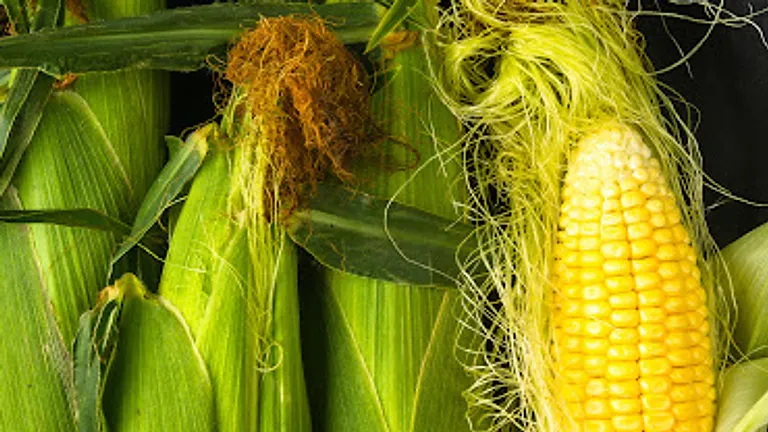
South Africa Eyes Strong Maize Output Despite Falling Exports
South Africa is expected to maintain robust maize production, with output forecast at 16.1 million tonnes for the 2026/27 marketing year, supported by consistently high yields and stable planting areas. However, ample stock levels and a favourable harvest outlook are likely to keep domestic prices low, limiting expansion. Exports are projected to fall by nearly 22% due to reduced commercial production, while local demand remains steady. Maize continues to underpin the feed sector, particularly poultry. Meanwhile, wheat production will see modest growth, though imports will remain essential to meet demand driven largely by population growth.
Read full story: UKr Agroconsult
Date published: March 30, 2026
South Africa Opens New Export Corridor with First Grape Shipment to Philippines
South Africa has launched a new agricultural trade route to Southeast Asia following the successful arrival of its first table grape shipment in the Philippines. The milestone reflects years of negotiation and cooperation, creating access to a fast-growing market with strong demand for fresh produce. The Philippines, a major global grape importer, offers long-term export potential as its population and middle class expand. The move aligns with South Africa’s strategy to diversify beyond traditional markets while strengthening global trade links. Strong domestic export performance further supports ambitions to grow market share and deepen partnerships in the region.
Read full story: African Farming
Date published: March 29, 2026
African News
Air Cargo Drives Africa–Europe Fresh Produce Supply Chain
Africa’s perishables trade with Europe is being rapidly expanded through a sophisticated air cargo network that preserves freshness while supporting economic growth. Countries such as Kenya rely heavily on-air freight to export high-value goods including flowers, fruit, vegetables and meat, with perishables making up the majority of cargo volumes. The sector generates billions in revenue and sustains hundreds of thousands of jobs, particularly among smallholder farmers. Strong demand from Europe, combined with improved logistics, cold chain systems and airport infrastructure, is fuelling growth. Despite challenges such as customs delays, ongoing investment and innovation continue to strengthen this vital trade corridor.
Read full story: Logistics Update Africa
Date published: March 30, 2026
Global News
UK Basil Supplies Hit by Conflict and Extreme Weather
The UK is facing a potential basil shortage as supply chains are disrupted by geopolitical tensions in the Middle East and severe flooding in Kenya, a key supplier of around 80% of imports. Flight cancellations and delays have reduced deliveries of basil and other leafy greens by up to 50%, while crop damage in Kenya has further tightened availability. Importers are scrambling to source alternatives from Europe, though volumes remain limited and costs higher. Industry figures warn prices could rise sharply and are calling for greater investment in domestic production, including indoor farming, to improve the UK’s long-term food resilience.
Read full story: Deadline News
Date published: March 29, 2026
Sheep Disease Crisis Threatens Greece’s Feta Production
Greece’s feta cheese industry is under growing strain after a widespread pox outbreak led to the culling of more than 480,000 sheep and goats since August 2024. The loss of livestock has sharply reduced milk supplies, with some producers reporting declines of up to 50%, driving up costs and cutting output. In key regions such as Thessaly, production is expected to fall significantly, putting exports at risk. Movement restrictions and rising feed costs have added further pressure on farmers. Concerns are also mounting that prolonged indoor rearing could undermine feta’s protected status, while illegal vaccinations complicate efforts to control the disease.
Read full story: The Straits Times
Date published: March 30, 2026
Jamaica Secures Major Climate Fund to Strengthen Farming Resilience
Jamaica has secured a US$50 million climate resilience project aimed at supporting vulnerable farmers and safeguarding food production. Backed by the Green Climate Fund and led by the UN Food and Agriculture Organization, the initiative will benefit over 700,000 people across key agricultural regions. It focuses on improving climate-smart farming, water management, storage and market access in response to increasing hurricanes, droughts and erratic rainfall. Agriculture remains vital to the economy, yet highly exposed to climate risks. The project marks a significant step towards strengthening food security, reducing losses and building long-term resilience in Jamaica’s farming sector.
Read full story: Caribbean National Weekly
Date published: March 29, 2026
India and Israel Deepen Farming Ties with High-Tech Village Rollout
India and Israel are expanding their agricultural partnership with plans to increase Centres of Excellence to 100 and introduce a new Villages of Excellence initiative, bringing advanced Israeli farming technology directly to rural communities. The collaboration has already improved yields and farmer incomes through innovations such as drip irrigation, fertigation and precision pest control. The new approach aims to embed these technologies at grassroots level, enhancing accessibility and impact. Israeli expertise in water-efficient agriculture is particularly valuable for India’s water-stressed regions, while Israeli firms benefit from access to India’s vast and diverse farming landscape, creating a mutually beneficial partnership.
Read full story: Zee News
Date published: March 29, 2026










