

South African News
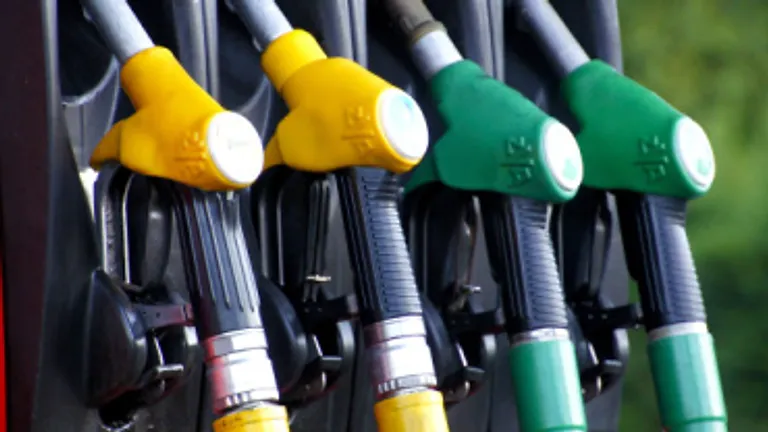
South African farmers call for deeper fuel relief amid global economic warning
South Africa’s agricultural sector has welcomed a temporary R3 per litre fuel levy cut but is urging further government intervention as rising fuel and fertiliser costs threaten production and food security. Industry bodies highlight fuel as a major cost driver and warn that global supply disruptions, linked to geopolitical tensions in the Middle East, are intensifying pressure on farmers. They are calling for measures such as greater fuel price flexibility and extended diesel rebates. Meanwhile, the International Monetary Fund has cautioned that the conflict could trigger higher global inflation and slower growth, with food-importing economies like South Africa especially vulnerable to sustained price shocks.
Read full story: Daily Maverick
Date Published: March 31, 2026
New tools help farmers improve silage quality and efficiency
Farmers are being given greater control over silage quality through practical tools introduced by Pioneer, including a testing jug and the Granular Insights app. Experts stress that effective silage production depends on maximising starch availability, which requires proper cutting and crushing of maize kernels. Whole kernels reduce feed value as they pass undigested through livestock. The jug enables farmers to monitor quality during harvesting, while the app uses real-time data to predict optimal harvest dates and identify field variations. Together, these tools aim to reduce waste, improve feed efficiency, and support better farm management decisions.
Read full story: Farmer’s Weekly
Date Published: April 1, 2026
African News
World Bank backs $500m plan to boost Nigeria’s farming and jobs
The World Bank has approved a $500 million credit to support Nigeria’s agriculture sector through the AGROW project, aimed at improving smallholder productivity, strengthening value chains and creating jobs. The initiative will back agribusinesses that source from local farmers, while investing in processing, storage and market access across key crops such as rice, maize, cassava and soybeans. It also includes measures to expand climate-resilient seeds, digital advisory services and a national farmer registry. Targeting up to one million farmers, the six-year programme seeks to attract further private investment, enhance food security and build resilience to climate shocks.
Read full story: World Bank
Date Published: March 31, 2026
Global News
NSW farmers turn to costly measures as drought tightens grip
Farmers across New South Wales are adopting varied and often costly strategies to cope with severe drought conditions, with a third of the state affected. Some are droving cattle along roads in search of feed and water, while others are transporting livestock long distances or selling stock to reduce pressure on limited resources. Rising fuel costs are compounding the strain, particularly as producers prepare to feed animals through winter. Despite the hardship, strong cattle prices are offering some financial relief, and many farmers remain hopeful for improved conditions, even as below-average rainfall is forecast.
Read full story: ABC Rural
Date Published: April 1, 2026
Cambodian farmers squeezed by soaring fuel and fertiliser costs
Cambodian farmers are facing mounting financial pressure as fuel and fertiliser prices surge בעקבות the ongoing Middle East conflict. Diesel prices, critical for agricultural machinery, have risen sharply, driving up overall production and transport costs and leaving many smallholders unprofitable. With over half the population reliant on agriculture, the impact is widespread, particularly as most farmers depend on imported inputs. Fuel shortages and border disruptions have worsened the situation, while extreme heat threatens upcoming planting. Farmers are calling for government and international support to strengthen resilience ahead of the monsoon season.
Read full story: The Star
Date Published: April 1, 2026
Japan explores water-saving rice method to ease labour pressures
Japan’s rice farming sector is increasingly turning to a water-saving dry field direct seeding method as it battles labour shortages and farm consolidation. The technique eliminates the need for flooded paddies, reducing labour-intensive processes such as transplanting and water management, and offering potential efficiency gains. However, ensuring stable yields remains a key challenge, limiting wider adoption. Companies are working on solutions, including the use of by-products like beer yeast to support crop growth. The approach is seen as a promising way to sustain rice production while reducing workload in an ageing agricultural workforce.
Read full story: Jiji Press
Date Published: March 31, 2026
Smart technology drives more efficient spring farming across China
China’s spring farming season is increasingly defined by the use of digital tools, artificial intelligence and automation, transforming traditional agricultural practices. Farmers are adopting smart irrigation systems, drones and precision seeding equipment to improve efficiency, reduce labour needs and boost yields. Automated processes in planting and seedling production have significantly cut workforce requirements while improving crop quality. The shift is part of a broader national push, with agricultural technology contributing over 64 per cent to sector growth. Supported by government coordination and infrastructure, smart farming is expanding nationwide, promoting greener, more productive and higher-quality agricultural development.
Read full story: The Borneo Post
Date Published: April 1, 2026










