

South African News
South African Sugar Farmers Squeezed by Rising Costs and Import Pressure
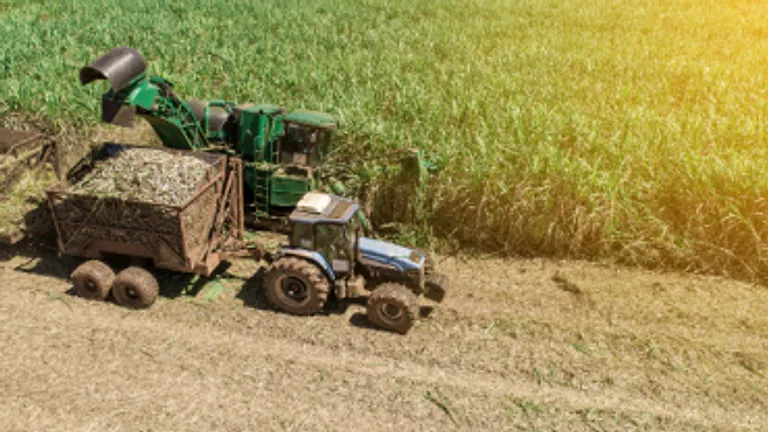
Sugarcane farmers in South Africa, particularly in KwaZulu-Natal and Mpumalanga, are facing mounting financial strain as soaring fuel and fertiliser prices combine with a surge in cheap imported sugar to threaten their livelihoods. Oil prices driven up by conflict in the Middle East have sharply increased production and transport costs, hitting small-scale growers hardest. At the same time, subsidised imports from India, Brazil and Thailand are undercutting local producers, causing major losses across the industry. Concerns are also growing over the possible closure of Tongaat Hulett, a key buyer for thousands of cane growers, which could leave many farmers without a viable market for their crops.
Read full story: All Africa
Date published: April 9, 2026
FMD Outbreaks Threaten South Africa’s Livestock Markets and Farmer Livelihoods
Foot-and-mouth disease continues to disrupt South Africa’s livestock sector, with industry leaders warning that restricted market access is leaving many farmers unable to sell animals and threatening long-term sustainability. At the Mzansi Young Farmers Indaba in Pretoria, experts highlighted how outbreaks are causing financial and emotional strain, particularly for communal and dairy farmers who face added challenges such as limited fencing, weak infrastructure and difficult biosecurity conditions. Veterinary specialists stressed the need for rapid detection and isolation of infected animals, while industry bodies are preparing vaccine roll-outs and training animal health technicians to strengthen disease control and protect the agricultural economy.
Read full story: Food For Mzansi
Date published: April 9, 2026
African News
Zimbabwe Urged to Find New Tobacco Buyers as Oversupply Pushes Prices Down
Zimbabwe has been urged to expand into new tobacco export markets as oversupply and weaker demand from traditional buyers, particularly China, drive down prices for growers. Parliament’s agriculture committee warned that existing markets can no longer absorb the country’s rising tobacco output, with another record harvest expected this season. Unsold stock from last year’s bumper crop is adding to downward pressure, leaving prices nearly 19 per cent lower than at the same stage in 2025. Farmers say falling returns are threatening their ability to repay debts and continue production, while industry leaders stress that diversifying export destinations is now essential for long-term stability.
Read full story: The Herald
Date published: April 10, 2026
Global News
Veterinary Leaders Warn UK Remains Vulnerable to Foot-and-Mouth Outbreak
Veterinary and farming leaders have warned that the UK is still inadequately prepared for a major foot-and-mouth disease outbreak, despite renewed risks as cases spread across parts of Europe. Concerns focus on limited state veterinary resources, weak coordination with private vets and insufficient border protections against illegal meat imports, which could introduce the virus. Industry figures say lessons from the devastating 2001 outbreak, when around six million animals were culled, have not led to enough practical improvements in national readiness. Although the government says border checks and import controls have been strengthened, experts argue serious gaps remain in prevention and emergency response capacity.
Read full story: FarmingUK
Date published: April 9, 2026
Canadian Aquaculture Pushes for Agricultural Status to Unlock Growth
Canada’s aquaculture industry is urging the federal government to classify fish and seafood farming as agriculture rather than fisheries management, arguing this change is essential to unlock growth and improve competitiveness. Industry leaders say aquaculture shares the same core features as livestock farming, including animal health, welfare and breeding, yet remains overseen by the Department of Fisheries and Oceans, which they argue is not geared towards sector expansion. Reclassification under Agriculture and Agri-Food Canada would give producers access to development programmes, insurance support and innovation funding. Without stronger backing, the sector warns Canada risks losing more domestic seafood market share to imports such as Chilean salmon.
Read full story: Grain News
Date published: April 10, 2026
Indonesia Expands Cattle-Palm Scheme to Lower Feed Costs and Boost Food Security
Indonesia is expanding its cattle and oil palm integration programme as part of efforts to reduce livestock feed costs, improve farm efficiency and strengthen national food security. The Cattle-Oil Palm Integration System (SISKA) allows farmers to use palm plantation by-products as animal feed, lowering production expenses while increasing livestock productivity. Officials say the scheme is designed to make cattle farming more sustainable and commercially viable over the long term, while also creating new income opportunities for farmers. The government believes closer cooperation between public agencies, researchers and private businesses will help scale up the model and improve resilience across the livestock sector.
Read full story: ANTARA News
Date published: April 9, 2026
Drones Speed Fresh Vegetable Deliveries from Chengdu Farms to Consumers
Farmers in Chengdu’s Xindu District are using drones to transport freshly picked spring vegetables directly from fields to sorting centres, cutting delivery times and improving freshness. The system is designed for small, time-sensitive orders, allowing produce to be collected and flown over a four-kilometre route in just five minutes. Once at the sorting hub, vegetables are packed immediately and dispatched on express trucks, enabling same-day delivery within Sichuan and next-day arrival in other parts of China. The initiative reflects the growing use of low-altitude drone logistics in agriculture, helping streamline supply chains and bring produce more quickly from farm to table.
Read full story: Horti Daily
Date published: April 9, 2026










