

South African News
South African Agriculture Faces Weather Uncertainty Despite Strong Current Harvest
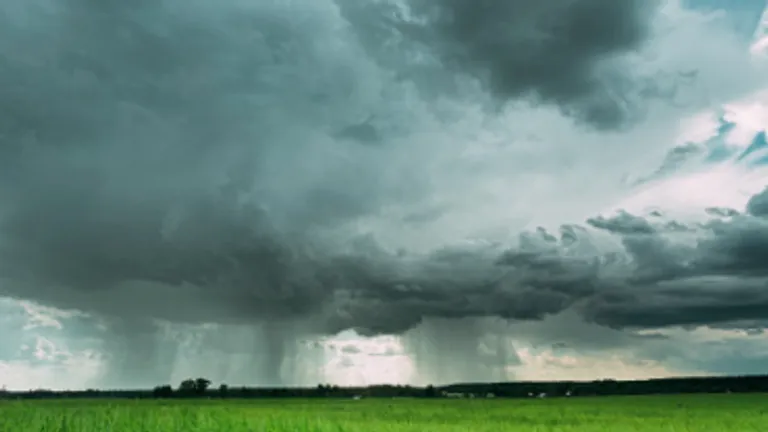
South Africa’s agricultural sector is facing mounting weather-related uncertainty, with the South African Weather Service warning of a possible El Niño event from October 2026 and below-normal rainfall during the winter crop season. While these developments could threaten summer grains, oilseeds and winter crops such as wheat and barley, the immediate outlook remains stable thanks to healthy dam levels and a strong 2025–26 harvest of 20.8 million tonnes. The report highlights concern over potential drought conditions and reduced crop plantings due to weather risks, rising input costs and lower commodity prices, though significant impacts on food supplies and prices are more likely to emerge in 2027.
Read full story: Daily Maverick
Date published: May 3, 2026
Smarter Finance Key to Unlocking Regenerative Agriculture Transition
South African agriculture’s shift towards regenerative practices is increasingly dependent on financial innovation rather than farming methods alone. At the Landbouweekblad Regenerative Agriculture Conference 2026, Nedbank’s Daneel Rossouw stressed that outdated debt structures, cash flow pressures and high upfront costs could undermine the transition unless financing is restructured. Flexible funding tailored working capital and strategic asset investment are essential to manage risks such as fluctuating yields. As ESG expectations and market demands grow, farmers will be judged on both production and financial sustainability. Ultimately, the sector’s future hinges on whether banks and producers can align capital with the realities of long-term agricultural change.
Read full story: Nedbank Press Release
Date published: May 4, 2026
African News
AI Tools Offer West African Farmers a Crucial Edge Against Unpredictable Rainfall
Artificial intelligence is emerging as a valuable tool for West African farmers during increasingly erratic rainfall driven by climate change. A new AI model, developed using weather balloon data, can predict rainfall within a 12-hour window with around 82% accuracy, enabling farmers to make timely decisions on planting, irrigation and harvesting. While this improves yields and reduces losses, challenges remain, including limited data coverage, poor internet access and trust in new technology. Expanding infrastructure, local data collection and accessible delivery methods will be essential to turn this innovation into a reliable, widely used farming support system.
Read full story: Farmers Review Africa
Date published: May 4, 2026
Global News
Regenerative Farming Gains Ground in Canada Amid Financial and Policy Hurdles
Regenerative agriculture is reshaping Canada’s farming landscape by improving soil health, boosting resilience and, in many cases, increasing profitability, particularly for smaller farms. However, high transition costs, financial risk and policy frameworks favouring conventional agriculture continue to limit wider adoption. Farmers often bear the burden of shifting practices, while supply chains, subsidies and lending systems remain misaligned with regenerative models. Despite growing investment interest and government support programmes, experts argue that reforms to financing, insurance and policy are essential. Without shared risk and stronger institutional backing, the transition to more sustainable farming systems may struggle to scale.
Read full story: Future of Good
Date published: May 4, 2026
Dutch GMO Rejections Disrupt Argentine Soymeal Trade
The Netherlands has rejected multiple shipments of Argentine soybean meal after detecting unauthorised genetically modified material, raising concerns over disruptions to a major global trade flow. As a key entry point for EU feed imports, tighter scrutiny could reduce European demand for South American supplies and shift interest towards US soybean meal, already reflected in rising futures prices. The EU imports around 20 million tonnes annually, largely from Argentina and Brazil, meaning prolonged restrictions could reshape global trade patterns. The incident highlights the impact of strict EU GMO regulations on supply chains and market dynamics.
Read full story: Blue Dollar
Date published: May 4, 2026
Labour Shift Threatens Stability of Indian Agriculture
India’s farming sector is facing growing strain as rural workers move away from agricultural jobs towards better-paid and less physically demanding opportunities in construction, transport and local industries. This shift is creating labour shortages during critical sowing and harvesting periods, increasing costs and uncertainty for farmers. Small and marginal farmers are particularly vulnerable, as they lack the financial capacity to absorb rising wages or invest in mechanisation. Delays caused by insufficient labour can directly affect crop yields, raising concerns about the long-term viability of traditional farming systems in an evolving rural economy.
Read full story: Agro Spectrum India
Date published: May 4, 2026
Global Disruptions Spark Renewed Interest in Australian Agriculture
Australia’s agriculture sector is experiencing a surge in public and media attention, driven by global trade disruptions, supply chain concerns and rising living costs. Industry leaders view this as a rare opportunity to highlight farming’s importance to food security, the economy and sustainability. Increased engagement from government and media has amplified long-standing sector priorities, while urban audiences are gaining a better understanding of agricultural systems. Stakeholders are urging farmers to share their experiences directly to maintain momentum. This heightened visibility, seen as a “silver lining”, could help bridge the rural–urban divide and strengthen long-term support for the sector.
Read full story: ABC News
Date published: May 4, 2026










