

South African News
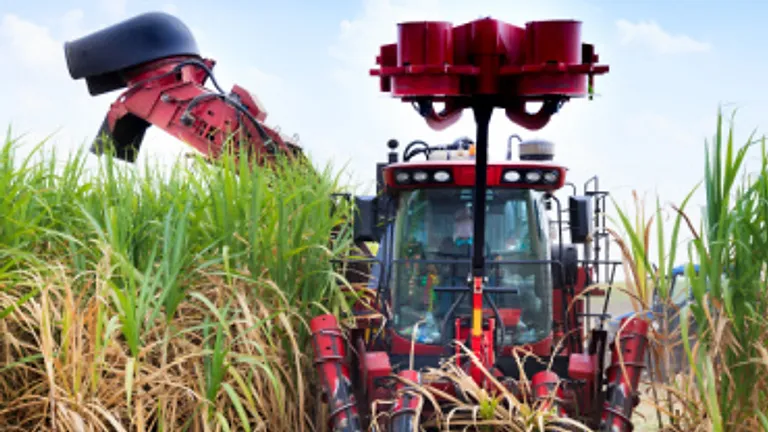
Small-Scale Farmers Lead South Africa’s Green Sugarcane Transition
Small-scale sugarcane farmers in South Africa are helping drive a more sustainable future for the industry as climate and economic pressures intensify. At a UN-backed workshop in Jozini, farmers, industry leaders and technical experts developed plans to expand regenerative farming, renewable energy production and climate-smart technologies. A key proposal involves converting sugarcane waste into electricity, ethanol and bio-oil to reduce emissions and create new income streams. The initiative also aims to improve access to finance and technical support for rural communities, ensuring smallholder farmers can benefit from the country’s transition to a low-carbon economy.
Read full story: Joint SDG Fund
Date Published: May 6, 2026
South African Farmers Struggle Under Failing Infrastructure and Rising Costs
Farmers in South Africa are making a major contribution to the economy through food production, employment and taxes, yet many face growing pressure from failing infrastructure, corruption and policy uncertainty. The article argues that poor governance and mismanagement at institutions such as Eskom have increased costs for farmers, forcing them to fund their own energy, water and security systems. Ongoing outbreaks of Foot-and-Mouth Disease, worsening drought conditions and rising feed prices are also placing severe strain on the livestock sector. Despite these challenges, commercial farmers continue to play a key role in maintaining the country’s food security.
Read full story: Farming Portal
Date Published: May 7, 2026
African News
Heavy Rains Drive Sharp Rise in Tomato Prices in Kisumu
Heavy rainfall in Kisumu has caused major disruption to tomato supply chains, leading to steep price increases and shortages across local markets. Damage to farms and poor road conditions have reduced deliveries, forcing traders to source tomatoes from distant regions and neighbouring countries such as Tanzania and Uganda. Higher transport and fuel costs have further pushed up prices, with consumers now paying nearly double for tomatoes compared with previous months. Traders and transporters say reduced demand and increased spoilage are hurting incomes, while households are cutting purchases and turning to cheaper alternatives.
Read full story Kilimo News
Date Published: May 6, 2026
Global News
Indonesia Tightens Import Controls on Key Agricultural Products
Indonesia is expanding its import licensing system to cover six additional agricultural commodities, including soybean meal, feed wheat, feed rice, mung beans, peanuts and pears. From May 8, 2026, importers will need approval from the Ministry of Trade, supported by recommendations from the Ministry of Agriculture, before bringing these products into the country. The government says the measures are intended to stabilise domestic prices, manage supply and demand, and protect local farmers from excessive foreign competition. Officials also hope the policy will encourage greater domestic production and support the country’s long-term food self-sufficiency goals while allowing businesses time to adjust through a temporary transition period.
Read full story: Ukr Agro Consult
Date Published: May 7, 2026
Brazil Moves Closer to Landmark Foie Gras Ban
Brazil is on the verge of becoming the first country in Latin America to ban both the production and sale of foie gras at a federal level. The country’s Chamber of Deputies has approved legislation prohibiting the force-feeding of ducks and geese used to produce the luxury food product, with the bill now awaiting President Lula’s signature. The campaign, led by Animal Equality, gathered more than 288,000 signatures over six years. Supporters say the move represents a major step forward for animal welfare and sends a strong message against cruelty in food production within one of the world’s largest agricultural economies.
Read full story: Animal Equality
Date Published: May 6, 2026
Spring Flooding Puts Canadian Farms Under Severe Pressure
Widespread spring flooding across Canada is disrupting farming operations in several provinces, including Saskatchewan, Manitoba, Ontario and Québec, as heavy rainfall and snowmelt overwhelm rivers and rural infrastructure. Flooded fields, damaged roads and saturated soils are delaying planting and forcing farmers to reconsider crop choices and livestock management strategies. Producers are also facing risks to grain storage, feed supplies and water safety, while power outages threaten essential farm systems. Experts are urging farmers to prioritise safety, document damage for insurance claims and adopt long-term resilience measures as extreme weather events become an increasing challenge for Canadian agriculture.
Read full story: Farms.com
Date Published: May 6, 2026
Japan’s Rice Stockpiles Reach Record Levels Amid High Prices
Japan is facing record rice stockpiles as soaring prices push consumers and restaurants to reduce purchases or switch to cheaper imported alternatives. Government figures show wholesalers were holding around 2.7 million metric tonnes of rice at the end of March, representing nearly 40 per cent of expected domestic demand. While a larger 2025 harvest contributed to the surplus, sharply rising retail prices have significantly reduced consumption. Businesses, including restaurants and convenience stores, have increasingly turned to imported rice, particularly from the United States. Many consumers have criticised wholesalers for keeping prices too high despite weakening demand and growing warehouse supplies.
Read full story: Japan Today
Date Published: May 7, 2026










