

South African News
South African Poultry Sector Sees Strong Growth Under Masterplan
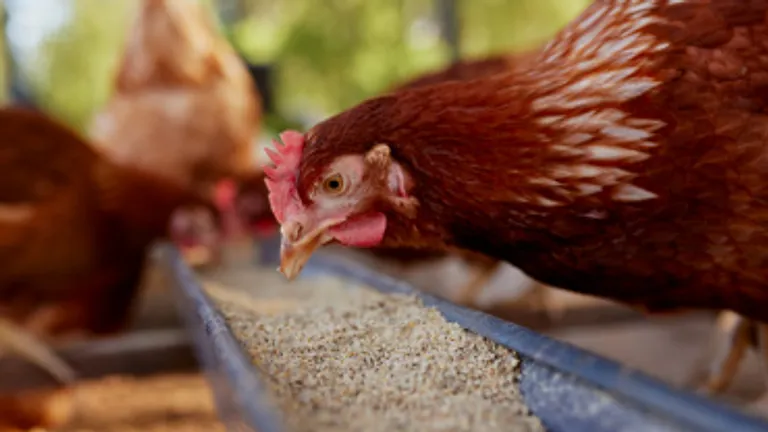
South Africa’s poultry industry has reported substantial growth since the Poultry Masterplan launched in 2019, with more than R2.1 billion invested and production rising by 26% to 23 million birds slaughtered weekly by 2025. The sector has expanded through new hatcheries, egg-laying facilities and large-scale poultry projects, while maintaining momentum despite challenges such as rising feed costs, avian influenza and infrastructure constraints. Industry leaders say anti-dumping measures and stronger government-industry coordination have helped improve resilience. Now valued at R74 billion and supporting over 110,000 jobs, the sector is also regarded as globally competitive, with production costs lower than those in the EU and the US.
Read full story: Poultry World
Date published: May 18, 2026
Declining Forage Threatens South Africa’s Bee Populations
South African researchers and beekeepers are warning that shrinking forage resources are placing severe pressure on honeybee populations, threatening pollination services vital to agriculture. Honey production has fallen by around 70% over the past 40 years despite an increase in managed colonies, suggesting a sharp decline in forage availability. Bees are becoming increasingly food-stressed, forcing beekeepers to rely on costly supplementary feeding, while extreme weather events and vegetation loss are worsening the situation. Experts say the commercial pollination industry is highly vulnerable if forage decline continues, with small-scale producers already facing land access, rising costs and reduced colony resilience, prompting calls for a national pollination and forage strategy.
Read full story: Farmer’s Weekly
Date published: May 20, 2026
African News
Chinese Juncao Technology Boosts Dairy Farming in Zanzibar
Chinese-developed Juncao technology is helping transform dairy farming in Tanzania’s Zanzibar by improving livestock feed, raising milk production and creating rural employment opportunities. Farmers using the nutrient-rich grass have reported significant gains, with some nearly doubling daily milk output while reducing dependence on costly commercial feed. The technology, introduced through agricultural cooperation programmes and supported by Tanzanian government initiatives, is now used by more than 2,000 farmers for livestock feed and by others for mushroom cultivation. Experts say Juncao offers a practical solution to feed shortages, low productivity and soil challenges, while also supporting income generation, ecological restoration and broader rural development.
Read full story: Xinhua News
Date published: May 19, 2026
Global News
Defra Updates Strategy to Guard Against African Swine Fever
The UK government has strengthened its disease control strategy to protect pig farms from a potential outbreak of African swine fever (ASF), a highly contagious disease that is fatal for pigs but poses no risk to humans. The revised Defra plan introduces a more flexible, risk-based framework, including additional restricted zones, enhanced surveillance and expanded movement licensing to reduce disruption to farming operations while maintaining animal welfare and biosecurity. The changes aim to help authorities detect disease earlier and avoid blanket restrictions on pig and pork movements. Officials say the updated measures will improve preparedness and protect the UK’s pig sector, valued at more than £8 billion.
Read full story: Eastern Daily Press
Date published: May 19, 2026
Brazil Eyes New Export Opportunities Amid U.S.-China Farm Deal
A new agreement for China to increase purchases of U.S. agricultural goods could lead Brazil to redirect its farm exports to other global markets rather than suffer major losses, according to industry experts. With Brazil remaining highly competitive and expecting a record soybean crop in 2026, analysts believe the country could fill demand gaps left in markets outside China as U.S. shipments are redirected. Brazil may also find opportunities to expand beef exports to the United States if American producers focus more on China while facing domestic supply shortages. Experts caution that the full impact of the deal remains uncertain, but Brazil’s strong export position could help it adapt.
Read full story: Successful Farming
Date published: May 19, 2026
Canadian Prairie Agriculture Poised for Gains Amid Global Supply Risks
Canadian agriculture is expected to benefit from rising global risks to grain production, with strong wheat prices potentially emerging in 2026 and 2027 due to weather disruption and fertiliser shortages. A major Prairie farmland owner says Canada is well placed to capitalise on a likely global shortfall in wheat and other grains, driven by factors such as drought in the United States, the potential for a strong El Niño weather system, and ongoing geopolitical tensions affecting fertiliser supply chains. These pressures could constrain output in competing regions like Australia and parts of the US, while Canada’s access to domestic inputs provides a competitive advantage. Analysts suggest wheat prices could rise significantly, reinforcing a positive outlook for Canadian producers.
Read full story: The Western Producer
Date published: May 19, 2026
Thailand Pushes Drone Adoption to Modernise Smart Agriculture and Rural Productivity
Thailand is positioning drone technology as a key driver of agricultural modernisation and rural economic development, with government agencies and industry leaders highlighting its growing role in precision farming, productivity gains and workforce training. At the DronTech Asia 2026 press conference, officials from bodies including the Department of Agriculture outlined plans to expand drone use in farming through regulatory reforms, operator training and digital infrastructure. Agricultural applications are central to Thailand’s strategy, with drones increasingly used for crop management, pest control and improving yields. The government also aims to train thousands of certified agricultural drone operators by 2027 as part of wider efforts to build a smart farming ecosystem and strengthen the country’s agricultural competitiveness.
Read full story: Malaysia Sun
Date published: May 20, 2026










