

South African News
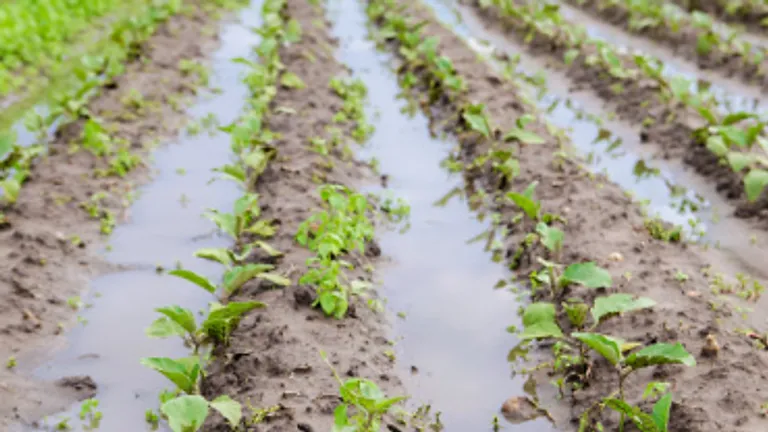
Western Cape Floods Leave Farmers Facing Heavy Losses
Severe flooding across the Western Cape in May has been described by some farmers as the worst in a century, with record 24-hour rainfall reported in several areas and widespread damage affecting farms, roads, power infrastructure and communities. Producers suffered losses to crops, orchards, buildings and vital water systems, while transport disruptions left some farmers unable to harvest or move produce. Preliminary assessments estimate agricultural losses at R520 million, though officials warn the final cost could run into billions. More than 100,000 residents were affected, with thousands displaced, as authorities continue recovery efforts and damage assessments.
Read full story: Farmer’s Weekly
Date published: May 25, 2026
Court Ruling Boosts Private Fight Against Foot-and-Mouth Disease
A Pretoria High Court ruling has cleared the way for South African farmers to procure and administer legally imported or manufactured Foot-and-Mouth Disease (FMD) vaccines, a move welcomed by FMD Response SA as a potential breakthrough in containing the virus. The organisation argued that the state’s vaccination programme has been too slow to halt transmission, particularly in KwaZulu-Natal, where outbreaks and restrictions have severely affected livestock farming. The judgment does not allow unrestricted vaccine imports but supports private-sector involvement under regulated conditions. Industry groups say faster, large-scale vaccination is now essential to curb the spread of FMD and protect the livestock sector.
Read full story: IOL
Date published: May 26, 2026
African News
Rice Seen as Key to West Africa’s Economic Transformation
Rice is being positioned as more than a staple food in West Africa, with growing recognition of its potential to drive economic growth, job creation and regional trade. An opinion piece by AGRA and ECOWAS officials argues that the region’s heavy reliance on rice imports, costing about US$3.5 billion annually, highlights missed opportunities to strengthen domestic production and agribusiness. With a young population and rising food demand, investment in rice production, processing, infrastructure and cross-border trade could improve food sovereignty, boost employment and build resilience. Regional initiatives are seen as central to turning rice into a major economic asset.
Read full story: Ecofin Agency
Date published: May 26, 2026
Global News
Rising Input Costs Deepen Pressure on UK Farmers
Arable farmers and vegetable growers say soaring fertiliser and fuel prices are placing severe strain on their businesses, raising fears over future crop production and profitability. Disruptions to fertiliser supplies through the Strait of Hormuz and sharp increases in red diesel costs have pushed input expenses sharply higher, with some farmers reporting fertiliser prices nearly doubling and fuel bills more than doubling in a month. Growers warn that rising costs may force them to reduce planting or reconsider certain crops altogether unless market prices improve. While temporary fuel duty cuts have offered some relief, farming leaders say greater support is needed as cash flow pressures intensify across the sector.
Read full story: AOL
Date published: May 26, 2026
South American Harvests Reshape Global Agricultural Markets
Global agricultural markets have seen heightened volatility as record crop production in Argentina and Brazil shifts attention to South America and influences global supply dynamics. Argentina has raised its corn production forecast to a record 64 million tonnes and slightly increased its soybean estimate, while also announcing gradual reductions in export tariffs on key crops. Brazil has strengthened its dominance in the soybean market, with production expected to reach 180.1 million tonnes and stock levels at their highest in nearly a decade, reinforcing its role as China’s leading supplier. Meanwhile, dry weather concerns in Europe and high investor exposure continue to add uncertainty and potential price correction risks to global markets.
Read full story: Bitget
Date published: May 25, 2026
Shipping and Input Cost Surges Place Pressure on Malaysia’s Agricultural Sector
Malaysia’s agricultural commodity sector is under significant financial strain as global disruptions drive sharp increases in shipping, insurance, fertiliser and production costs. Shipping rates to the Middle East have risen by up to 80 per cent, while war risk insurance premiums have also climbed, adding further pressure on exporters. Fertiliser prices have increased by as much as 45 per cent, with pesticides and plantation input costs also rising steeply. Manufacturing and upstream agricultural operations are similarly affected, compounding challenges for smallholders. In response, the government has introduced mitigation measures including targeted subsidies, bulk purchasing schemes, logistics support and initiatives promoting organic fertiliser use and precision agriculture technologies.
Read full story: New Strait Times
Date published: May 25, 2026
Japan’s Indoor Farming Sector Set for Strong Growth Amid Labour and Land Pressures
Japan’s indoor farming industry is undergoing rapid structural expansion, driven by an ageing agricultural workforce, limited arable land and rising demand for traceable, pesticide-free food. The market, valued at around USD 1.58 billion in 2025, is projected to more than double to USD 3.10 billion by 2033 as controlled-environment agriculture moves from pilot projects to large-scale commercial operations. Over 300 plant factories are already in operation, with leafy greens dominating production due to efficiency and strong demand. High energy and capital costs remain key challenges, prompting innovation in automation and AI-led optimisation. Industry growth is increasingly shaped by technology firms and retail partnerships.
Read full story: Financial Content
Date published: May 25, 2026










