

South African News
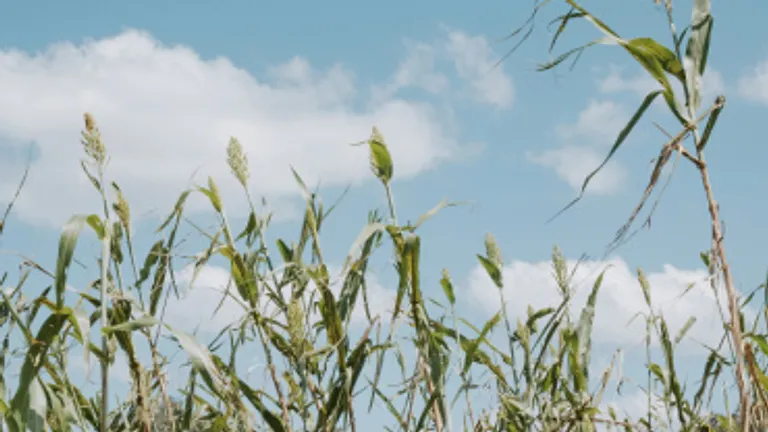
South Africa explores sorghum bioethanol to reduce fuel import dependence
South Africa is renewing efforts to develop a domestic bioethanol industry using sorghum as concerns grow over fuel import dependence and global supply pressures linked to Middle East conflict. A recent roundtable in Johannesburg highlighted the commercial potential of sorghum-based bioethanol following new regulations introduced in 2025 to support blending ethanol into petrol without raising retail prices. Industry leaders argued that sorghum’s drought resistance, low water requirements and limited role in food security make it a suitable feedstock. However, challenges remain around volatile oil prices, investor risk, farmer training and the need for stronger policy support and research investment.
Read full story: Farmer’s Weekly
Date published: May 28, 2026
Farmers urged to value expert knowledge as a key agricultural input
Agricultural knowledge and professional advice should be treated as essential farming inputs, alongside feed, fertiliser, genetics and veterinary services, argues Maile Matsimela. He warns that while social media and messaging platforms provide endless farming opinions, many agricultural challenges require on-site assessment and expert analysis rather than remote guesses. Matsimela stresses that paid advice offers accountability, practical experience and informed guidance developed through years of learning and observation. Although trial and error will always form part of farming, he believes farmers should invest in reliable expertise to reduce costly mistakes and improve productivity, rather than relying solely on free but potentially inaccurate online information.
Read full story: African Farming
Date published: May 28, 2026
African News
Nigeria revives ranching plan to reduce farmer-herder violence
The Nigerian government has begun reviving grazing reserves and ranches across the country as part of efforts to reduce ongoing conflict between farmers and herders. Idris Ajimobi, Senior Special Assistant to the President on Livestock Development, said existing reserves and ranches are being audited and modernised to support a national ranching system. The initiative includes rehabilitation work at the Kawu Grazing Reserve in Abuja and partnerships with private and international investors. Ajimobi said the programme aims to improve food security, modernise livestock production and create economic opportunities, while also helping address insecurity in rural communities through better infrastructure, investment and local involvement.
Read full story: The Punch
Date published: May 28, 2026
Global News
Ireland urges EU to keep food security central amid rising defence spending
Irish agriculture minister Martin Heydon has warned that food security must remain a core European priority as governments increase defence spending in response to global instability. Speaking at the Nuffield International Triennial Agri-Summit, Heydon argued that food security is as vital to Europe’s resilience as energy and defence, particularly following the war in Ukraine and tensions in the Middle East. He stressed the importance of maintaining a well-funded and ambitious Common Agricultural Policy (CAP) to support family farms and sustainable food production. Heydon also defended Ireland’s role in helping feed a growing global population, with agricultural demand expected to rise significantly by 2050.
Read full story: Irish Examiner
Date published: May 27, 2026
Australian farmers explore alternatives as fertiliser costs rise
Rising fertiliser prices linked to conflict in the Middle East and disruptions to supply routes are pushing some Australian farmers to reduce their dependence on synthetic fertilisers. Organic and regenerative farming methods, including the use of clover, recycled nutrients and natural soil additives, are gaining attention as growers search for more resilient systems. Researchers in Tasmania have found that nitrogen use on dairy farms could potentially be halved through improved pasture management and white clover integration. However, agronomists warn that synthetic fertilisers remain essential for many crops to remain commercially viable, particularly as alternative inputs can be costly, limited and difficult to manage at scale.
Read full story: ABC News
Date published: May 28, 2026
Fertiliser costs set to surge 30% as shipping disruptions squeeze global supply
Global fertiliser prices are expected to rise by more than 30% in 2026 compared with 2025 as conflict-driven disruption to shipping through the Strait of Hormuz tightens supply, according to Oxford Economics. Urea prices are projected to increase even faster, while weak grain-to-fertiliser price ratios are squeezing farm margins to their lowest level in decades. The report warns rice, maize and wheat are most exposed, with import-dependent regions such as Asia, Brazil and Australia particularly vulnerable. Although demand is relatively inelastic, lower-income countries may cut usage, risking reduced yields, higher food inflation and longer-term pressure on global food security.
Read full story: Arab News
Date published: May 27, 2026
Loopholes in palm oil supply chains undermine global zero-deforestation pledges
Despite widespread “No Deforestation, No Peat, No Exploitation” commitments across the palm oil industry, deforestation in Indonesia continues, exposing major weaknesses in global supply chains. Satellite data shows over 31,000 hectares of forest were cleared for palm oil in 2025, with campaigners pointing to gaps in traceability, fragmented smallholder sourcing and complex ownership structures that allow deforestation-linked palm oil to enter supposedly sustainable markets. Investigators say fruit from cleared land can be mixed with compliant supplies at mills, making origins untraceable. Analysts warn these issues could undermine compliance with the EU’s upcoming deforestation law, which will require strict proof of sustainable sourcing.
Read full story: Mongabay
Date published: May 27, 2026










