

South African News
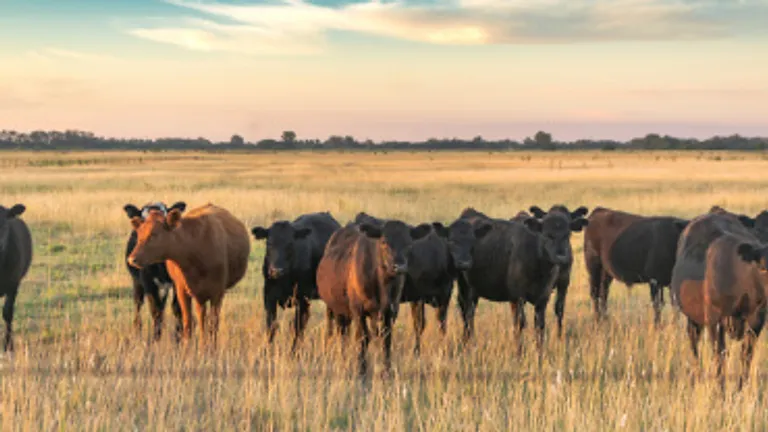
South African Livestock Exports Suffer Major Losses as Foot-and-Mouth Disease Persists
Foot-and-mouth disease (FMD) is continuing to damage South Africa’s livestock industry, with beef exports falling sharply and key markets in the Middle East, Asia and the United States recording significant declines. AgriSA estimates annual export revenue losses of more than $81 million and warns that prolonged delays in restoring disease-free status could lead to permanent market losses. The organisation says recovery depends on restoring FMD zone status, renegotiating veterinary agreements with importing countries and rebuilding commercial relationships. While government has vaccinated nearly 4.4 million animals and invested heavily in disease control measures, industry stakeholders stress that effective trade negotiations and strict biosecurity compliance remain essential.
Read full story: Food For Mzansi
Date Published: June 12, 2026
Cybersecurity Weaknesses in Supply Chains Pose Growing Threat to South African Agriculture
As South Africa’s agricultural sector becomes increasingly dependent on digital technologies such as IoT sensors, precision farming tools and data-driven logistics, cybersecurity risks are expanding beyond farms themselves. The greatest vulnerability lies within smaller third-party logistics providers and SMEs that often lack adequate cyber defences. Cybercriminals can exploit these weak points to manipulate critical supply chain data, potentially causing inventory losses, operational disruptions and regulatory compliance failures. The article warns that inaccurate data can undermine food safety and business decisions, while citing the 2021 Transnet ransomware attack as evidence of the severe consequences of supply chain breaches. Addressing these security gaps is becoming an urgent priority for the agricultural industry.
Read full story: Pro Agri Media
Date Published: June 11, 2026
African News
Traditional Farming Habits Threaten Food Security in Kitui
Kitui County officials have warned that longstanding farming traditions are hampering efforts to improve food security as many farmers continue planting maize and beans despite increasingly unreliable rainfall. Agriculture executive Stephen Kimwele said climate change has made rainfall patterns more erratic, making drought-tolerant crops such as sorghum, millet, cowpeas and green grams a more sustainable option. While some farmers ignored official advice and suffered poor harvests after dry spells damaged their crops, those who adopted climate-smart farming practices achieved better yields and stronger returns. Kimwele also highlighted the higher market value of drought-tolerant crops, urging wider adoption to reduce recurring food shortages and improve livelihoods across the county.
Read full story: The Star
Date Published: June 12, 2026
Global News
Rising Farm Debt and Costs Increase Pressure on Thailand’s New Government
Thailand’s farming sector is facing a deepening debt crisis as rising fuel and fertiliser costs, linked to conflict in the Middle East, combine with falling rice prices to squeeze rural incomes. Farmers across the country report mounting debts and inadequate government support, despite subsidy programmes aimed at easing financial pressures. The situation has become an early challenge for Prime Minister Anutin Charnvirakul’s administration, with public confidence already declining. Industry representatives warn that existing assistance measures are insufficient to offset higher production costs, while millions of farming households continue to struggle with low commodity prices, weak economic growth and one of Asia’s highest household debt levels.
Read full story: Bangkok Post
Date Published: June 11, 2026
Sri Lanka Urges Farmers to Save Water as El Niño Threatens Drought
Sri Lankan authorities are encouraging farmers to conserve water and plant short-duration crop varieties as the country prepares for the possibility of drought conditions during July and August due to the anticipated El Niño weather pattern. Agricultural officials have advised farmers to carefully manage water resources during the current Yala planting season while monitoring weather developments closely. Experts warn that the upcoming El Niño could be among the strongest on record, potentially bringing reduced rainfall to Sri Lanka. While the country takes precautions in the agricultural sector, it is also advancing energy storage and grid improvement projects to support greater renewable energy use in the coming years.
Read full story: Tempo English
Date Published: June 11, 2026
India’s Wild Agave Trade Sparks Growth of a New Spirits Industry
India is developing a homegrown agave spirits sector by harvesting wild agave plants traditionally used as farm fencing across the Deccan Plateau. Rising consumer interest in tequila-style drinks and growing demand for agave-based spirits have created new income opportunities for farmers and entrepreneurs, with some referring to the crop as “blue gold”. Producers are building supply networks to collect and process wild agave, although challenges remain, including inconsistent plant quality, complex logistics and a lack of large-scale cultivation. Industry pioneers believe India has significant long-term potential due to vast areas suitable for agave production but acknowledge that establishing a mature industry will require investment, research and patience.
Read full story: BBC News
Date Published: June 12, 2026
China Shifts Focus to Higher-Value Fresh Produce Exports
China is planning to strengthen its agricultural export sector by prioritising higher-value fresh produce and improving quality rather than simply increasing export volumes. According to a new agricultural development report, the country’s fruit and vegetable industries are transitioning from a predominantly export-driven model to a more balanced approach that serves both domestic and international markets. Key export products include apples, pears, citrus fruits, grapes, garlic and onions, while processed fruits, nuts, melons and frozen produce are identified as major growth opportunities. Officials are also calling for investments in processing capacity, cold-chain logistics, supply chain efficiency and regional branding to expand access to international markets over the next five years.
Read full story: Fruitnet
Date Published: June 12, 2026










